
Antigua Guatemala Foodie Guide: Where to Eat Like a Local
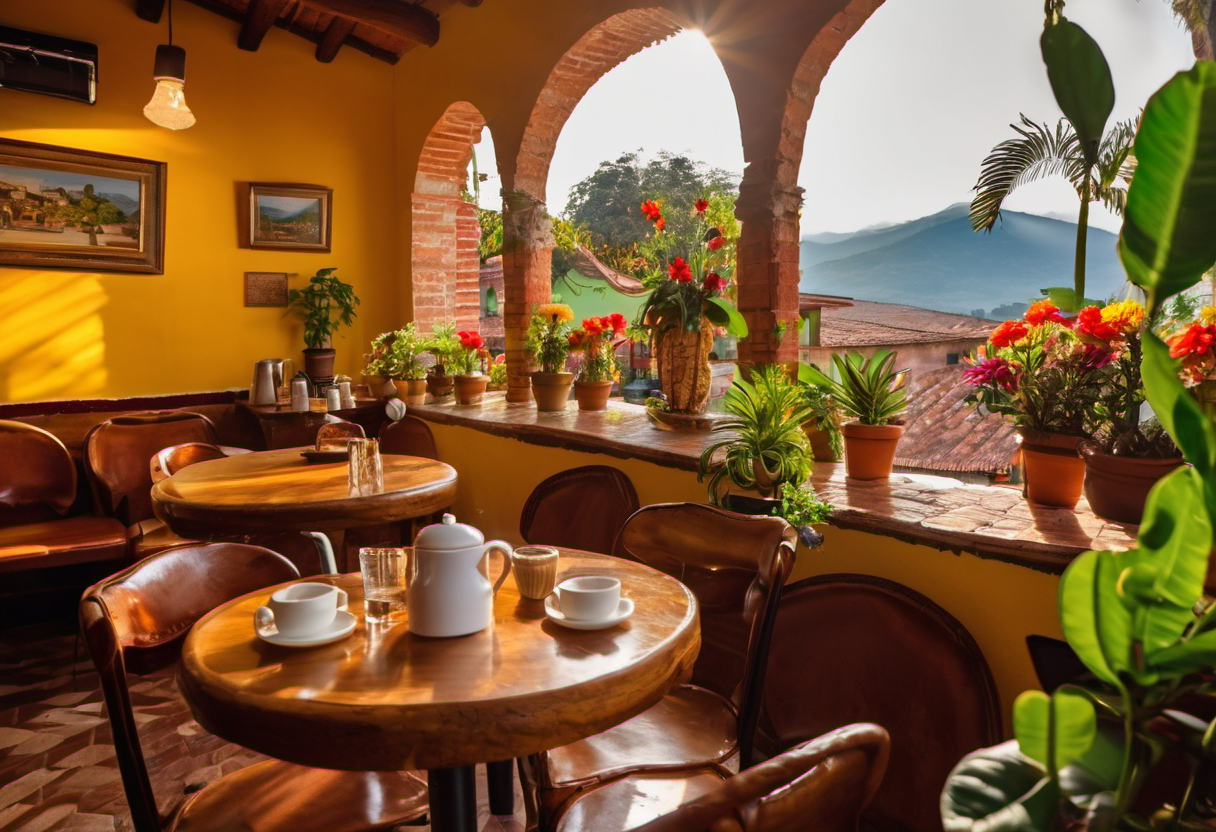
Antigua Guatemala has quietly become one of Central America’s most exciting food destinations. The city’s culinary scene blends centuries-old Mayan and Spanish traditions with a new wave of international chefs and innovative local restaurateurs. Whether you are relocating, visiting, or investing in property here, understanding the food culture is part of understanding Antigua itself.
A Culinary City Shaped by History
Antigua’s food identity runs deeper than its cobblestone streets. The city was the colonial capital of Central America for over 200 years, and that heritage lives on in every kitchen. Pepián, a rich roasted chili and pumpkin seed stew, remains the national dish and a staple at family tables throughout the region. Kak’ik, a turkey soup from Q’eqchi’ Maya tradition, is another essential flavor that connects modern Antigua to its indigenous roots.
These are not museum dishes. They are everyday food. Walk into any comedor (local eatery) on the side streets away from the central plaza and you will find handmade tortillas, black beans cooked from scratch, and stews simmered for hours. A full plate costs between Q25 and Q50 ($3 to $7 USD), making local eating one of the best deals in town.
The New Wave of Antigua Restaurants
Over the past decade, Antigua has attracted chefs from Guatemala City, Mexico, Europe, and the United States. They have opened restaurants that honor local ingredients while pushing creative boundaries.
For fine dining, places like Hector’s Bistro and El Convite serve multi-course tasting menus using Guatemalan cacao, highland vegetables, and Pacific coast seafood. Expect to pay $30 to $60 per person, a fraction of what similar quality costs in the US or Europe.
The mid-range scene is even stronger. Restaurants around 4a and 5a Calle Poniente offer everything from wood-fired pizza to Japanese-Mayan fusion. Many source directly from farms in nearby Alotenango and San Juan del Obispo, so the produce is fresher than anything you will find in a supermarket.
For breakfast, the local tradition is desayuno típico: scrambled eggs with tomato sauce, fried plantains, refried black beans, crema, and fresh tortillas. Nearly every café in the central area serves some version, usually for Q35 to Q60 ($5 to $8). Pair it with Guatemalan coffee, grown just 20 minutes away in the highland slopes, and you have the best morning meal in the country.
Street Food Worth Seeking Out
Antigua’s street food culture is a highlight that many visitors underestimate. The central market (Mercado de Antigua) is the heart of it. Inside, vendors prepare fresh tostadas, garnachas (crispy corn tortillas topped with meat, salsa, and cheese), and rellenitos (sweet plantain stuffed with black beans and dusted with sugar).
Outside the market, look for elotes locos (grilled corn with mayo, cheese, and chili powder) and churrasco stands on weekend evenings. A filling street food meal runs Q15 to Q30 ($2 to $4).
The Tuesday and Saturday tianguis (open-air markets) in nearby towns like San Pedro Las Huertas and Ciudad Vieja are also worth exploring. Vendors sell seasonal fruits like mamey, zapote, and arrayán that you will rarely find outside Guatemala.
Coffee Culture in Coffee Country
Antigua sits in the middle of one of the world’s premier coffee-growing regions. The volcanic soil, altitude, and microclimate produce beans that rank among the best globally. Several local roasters and cafés have built their identity around this proximity.
Coffee shops like Fat Cat, Wachuma, and Brew serve single-origin Antigua coffee prepared as pour-over, espresso, or cold brew. A quality cup costs Q20 to Q40 ($3 to $5). Some cafés also offer coffee farm tours in nearby Alotenango or San Miguel Dueñas, where you can see the entire process from cherry to cup.
For expats who work remotely, the coffee shop scene doubles as a coworking culture. Laptops are welcome at most places, and the WiFi is generally reliable in the central area.
What This Means for Property Buyers
If you are considering buying or renting property in Antigua, the food scene is more than a lifestyle perk. It is a real factor in property values. Neighborhoods near the central market and the restaurant corridors along 4a and 5a Avenida command premium prices because walkability to dining and nightlife is a major draw for both long-term residents and Airbnb guests.
Properties in areas like San Pedro Las Huertas, Ciudad Vieja, and Jocotenango offer lower prices while still being a 10 to 15-minute drive from Antigua’s restaurant scene. For many buyers, this balance between affordability and access is the sweet spot.
Planning Your Culinary Move
The best way to experience Antigua’s food scene is to spend time here before committing to a property. Rent for a few months, eat your way through the city, and discover which neighborhoods match your lifestyle.
Luna Jerney at Antigua Real Estate Development knows this market inside and out. Whether you are looking for a home near the restaurant district or a quieter property in the surrounding hills, she can help you find the right fit.
Ready to explore properties in Antigua Guatemala? Contact Luna Jerney to start your search.