
Is Antigua Guatemala Safe? Expat Safety Guide 2026
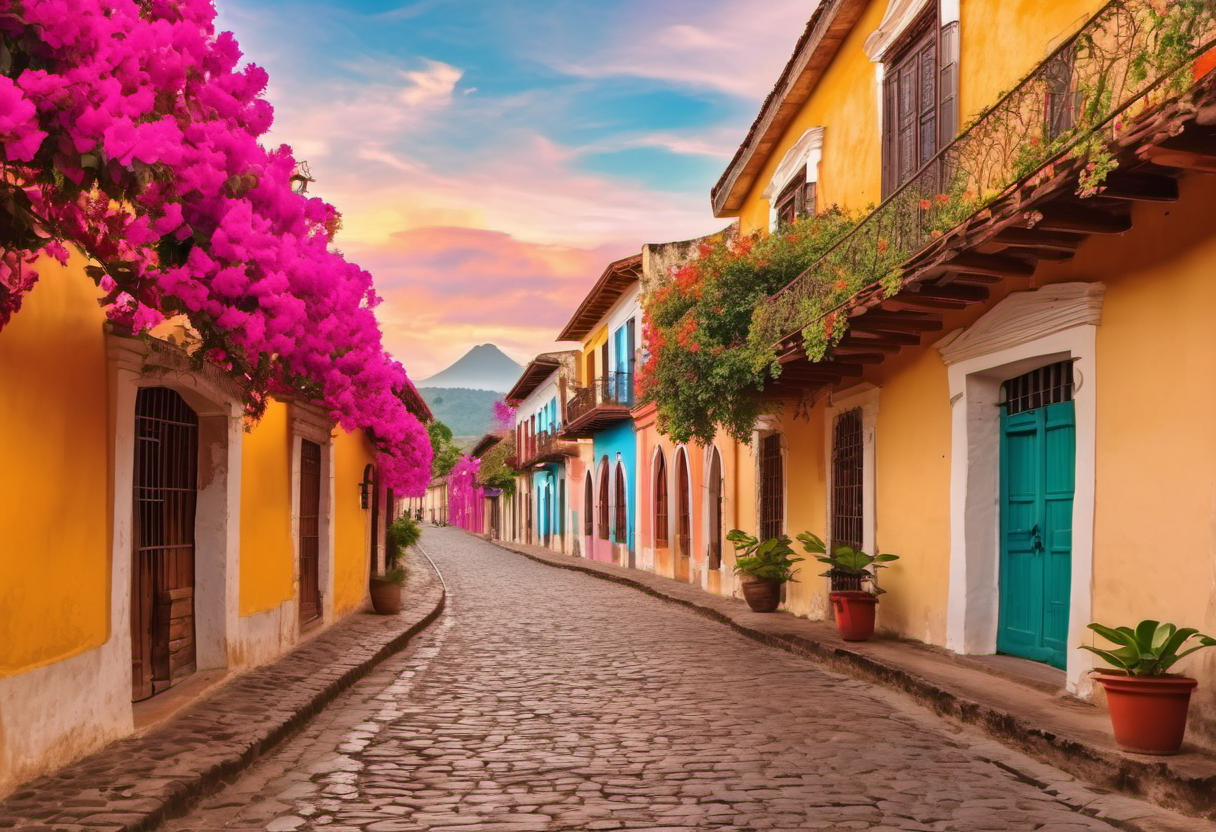
Yes, Antigua Guatemala is considered one of the safest towns in Central America for expats and foreign visitors. With a strong police presence, a large international community, and decades of tourism infrastructure, Antigua offers a level of comfort that draws thousands of foreigners to live here year-round. That said, understanding the local safety landscape helps you make smarter decisions from day one.
This guide covers what safety actually looks like on the ground — not headlines, but the everyday reality expats experience living in Antigua.
Why Antigua Feels Different From the Rest of Guatemala
Antigua is not Guatemala City. This distinction matters more than most people realize. The town sits about 45 minutes southwest of the capital in a valley surrounded by three volcanoes, and its economy revolves heavily around tourism, international schools, and a growing expat community.
Heavy Police and Tourism Police Presence
Antigua has dedicated tourist police (Policía de Turismo) who patrol the central plaza, main streets, and popular walking areas daily. The national police (PNC) maintain a strong presence throughout town. You will regularly see officers on foot, bicycle, and in patrol vehicles — especially in the historic center.
This is not typical for Guatemalan towns. Antigua receives special attention because of its economic importance as the country’s top tourist destination.
International Community as a Safety Net
With an estimated 2,000 to 3,000 foreigners living in or near Antigua full-time, there is a robust informal safety network. Expats share information about neighborhoods, service providers, and any emerging concerns through WhatsApp groups, Facebook communities, and word of mouth. If something happens, the community talks about it quickly.
Common Safety Concerns — and What the Data Actually Shows
Petty Theft
The most common crime affecting foreigners in Antigua is petty theft — pickpocketing, bag snatching, and opportunistic theft from vehicles. This is comparable to any popular tourist destination worldwide.
Practical steps:
- Use a crossbody bag rather than a backpack in crowded areas
- Don’t leave valuables visible in parked cars (even locked)
- Keep your phone in a front pocket on busy streets, especially around the central market
- Use the safe in your home or rental for passports and electronics
Home Security
Most colonial homes in Antigua have high walls, metal bars on windows, and heavy wooden or metal front doors — standard architectural features that double as security measures. Gated communities and newer developments add security guards and controlled access.
When choosing a home:
- Look for properties with exterior lighting, high walls, and secure entry points
- Many expats add security cameras and alarm systems (affordable and widely available)
- Dogs are both a lifestyle feature and an effective security presence
- Ask neighbors about the block — Antigua neighborhoods vary street by street
Walking at Night
The central tourist zone (roughly from the Arco de Santa Catalina to the central plaza and surrounding 4-5 blocks) is well-lit and active most evenings. Restaurants, bars, and foot traffic keep these streets lively until 10 or 11 PM.
Outside this core zone, some streets are quieter and less well-lit after dark. Walking in pairs, taking tuk-tuks (three-wheeled taxis that cost Q10-20), or using ride-sharing apps like Uber are all practical options for getting home safely after dark.
Safety in the Surrounding Neighborhoods
Expats live across several areas around Antigua, each with its own character:
- Antigua Centro Histórico — The walkable heart of town. Highest police presence, busiest streets, most expat-oriented services. Day-to-day safety is excellent.
- Jocotenango — Just north of Antigua. Quieter residential feel with strong local community. Popular with families.
- Ciudad Vieja — The original colonial capital, about 10 minutes south. More rural feel, growing expat interest.
- San Juan del Obispo — Hillside location with stunning views. Small-town feel, very safe.
- San Miguel Dueñas — Agricultural town with a slower pace. Fewer foreigners but very peaceful.
- El Hato — Mountain village above Antigua. Remote, quiet, nature-forward living.
In all these areas, the safety profile is broadly similar: low violent crime, occasional petty theft, and a general atmosphere where neighbors look out for each other.
Health and Emergency Services
Safety extends beyond crime to include access to medical care. Antigua has several private clinics and hospitals:
- Hospital Hermano Pedro — The main public hospital in Antigua
- Multiple private clinics — Offering general practice, dentistry, and specialist care
- Proximity to Guatemala City hospitals — World-class private hospitals like Hospital Herrera Llerandi are about 45 minutes away
Many expats carry international health insurance (Cigna, IMG, or SafetyWing for digital nomads). Guatemalan private healthcare is high quality and affordable — a specialist visit typically costs $30-60 USD.
Practical Safety Tips From Long-Term Expats
After interviewing dozens of foreigners who have lived in Antigua for years, these are the most commonly repeated pieces of advice:
- Get to know your neighbors. Guatemalans are warm and welcoming. A simple greeting and small talk goes a long way. Your neighbors become your first line of awareness.
- Learn basic Spanish. Even rudimentary Spanish helps you navigate situations, understand announcements, and build relationships that enhance your personal security.
- Use ATMs inside banks, not standalone street machines. This is standard practice in any developing country.
- Keep a low profile. Flashing expensive jewelry, electronics, or large amounts of cash draws unwanted attention everywhere in the world. Antigua is no exception.
- Trust your instincts. If a street feels off, take a different route. Antigua is small enough that alternate paths are always available.
- Register with your embassy. The US, Canadian, and UK embassies maintain traveler enrollment programs. It takes five minutes and helps them contact you in a genuine emergency.
What Expats Say After Living Here
The most telling safety indicator is what happens after the first year. Expats who move to Antigua overwhelmingly stay. The combination of low cost of living, beautiful surroundings, warm community, and a pace of life that prioritizes relationships over productivity creates an environment that feels safe at a deeper level than crime statistics alone.
Luna Jerney, founder of Antigua Real Estate Development, has helped dozens of families relocate to the area. “The safety question comes up in almost every first conversation,” Luna says. “By the time people have been here a month, they tell me they feel safer walking around Antigua than they did in their home city. That is the real answer.”
Making the Move
If you are seriously considering Antigua, the best next step is seeing it in person. A one- or two-week visit lets you walk the neighborhoods, talk to other expats, and get a feel for daily life firsthand.
Ready to explore? Contact Luna Jerney to discuss available properties and get personalized guidance on relocating to Antigua Guatemala.
Interested in Antigua Real Estate?
Whether you're looking to buy, rent, or invest — I can help. Free consultation, no pressure.