Antigua Guatemala vs Guatemala City: Where to Live
If you are planning a move to Guatemala, the first big decision is where to settle. Most expats narrow it down to two options: the colonial charm of Antigua Guatemala or the urban energy of Guatemala City. Both have real advantages, and the right choice depends on what kind of life you want to build.
This guide breaks down the practical differences, from safety and cost of living to healthcare access and real estate opportunities, so you can make an informed decision.
Safety and Peace of Mind
Safety is usually the first concern for anyone moving abroad. Antigua Guatemala consistently ranks as one of the safest cities in the country. Its compact historic center is walkable, well-lit, and patrolled by tourist police. Violent crime rates are significantly lower than in Guatemala City, and most residents feel comfortable walking around at night in the central areas.
Guatemala City is a sprawling metropolitan area of over three million people. Like any large Latin American capital, it has neighborhoods that range from very safe to areas you should avoid entirely. Zones 10, 14, 15, and 16 (the upscale commercial and residential corridors) have private security, gated communities, and a lifestyle comparable to other major cities in the region. But you need local knowledge to navigate safely, and the daily awareness required is higher than in Antigua.
For expats with families or those who value a relaxed, low-stress environment, Antigua is the clear winner on safety alone.
Cost of Living
Antigua Guatemala offers an appealing cost of living, especially compared to North American and European cities. A comfortable monthly budget for a couple runs between $1,500 and $2,500, depending on housing choices. Rental prices range from around $600 per month for a modest apartment to $2,000 or more for a furnished colonial home in the historic center.
Guatemala City is generally cheaper for day-to-day expenses. Groceries, dining out, and services tend to cost 15 to 25 percent less than in Antigua, which has a tourism-driven premium on many things. However, housing in safe zones of Guatemala City can be comparable to or even more expensive than Antigua, particularly in Zones 14 and 15 where modern apartments and condos command premium prices.
The bottom line: if you are budget-conscious and willing to live in a modern apartment rather than a colonial house, Guatemala City can be more affordable overall. If you want the colonial lifestyle with volcano views, Antigua delivers that at a reasonable price point.
Lifestyle and Daily Life
This is where the two destinations differ most dramatically.
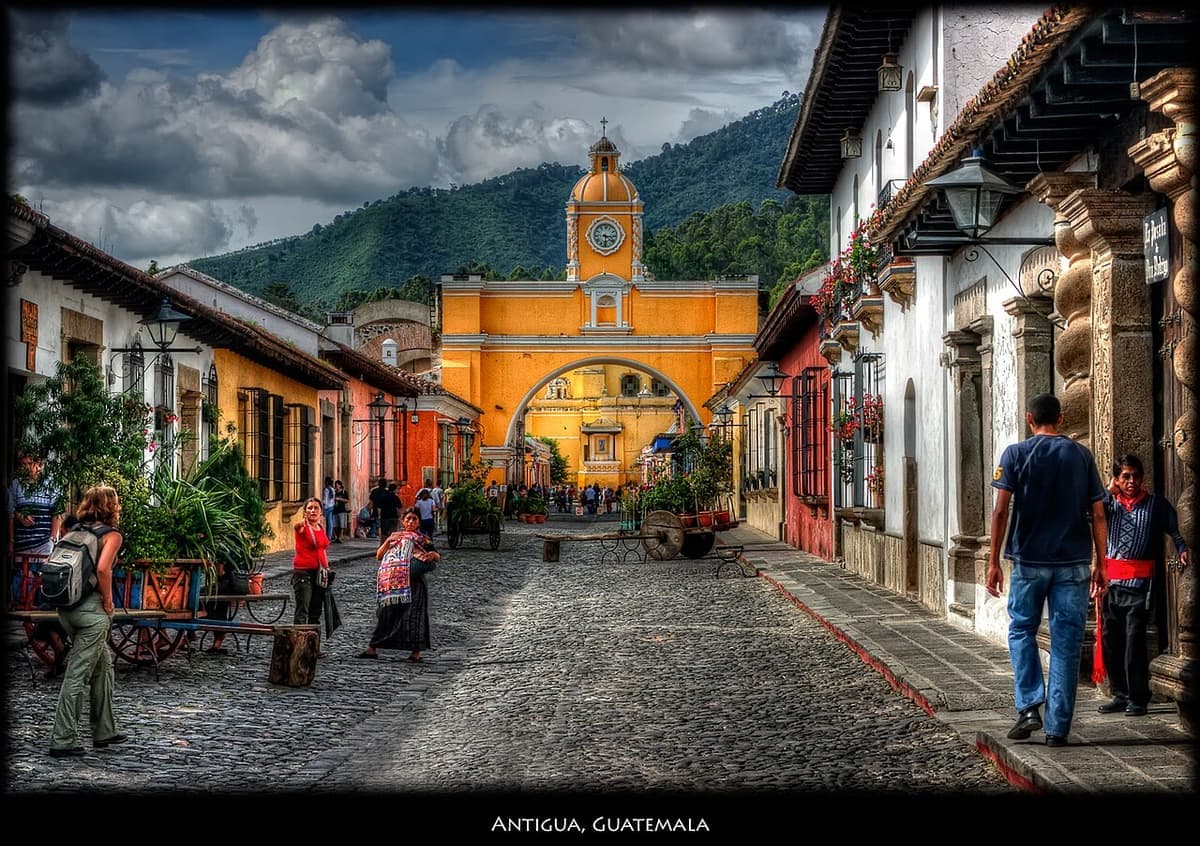
Antigua Guatemala is a small city with a population of around 50,000. Life moves at a slower pace. You walk to the market, greet your neighbors, and spend afternoons in courtyard cafes with views of Volcan de Agua. The expat community is active and welcoming, with regular social events, language exchanges, and volunteer opportunities. The trade-off is fewer options: a limited number of restaurants (though the quality is excellent), no major shopping malls, and a smaller variety of entertainment.
Guatemala City is a genuine metropolis with world-class restaurants, international shopping, movie theaters, concert venues, museums, and everything you would expect from a capital city. The food scene in Zones 10 and 14 rivals many larger cities in Latin America. If you thrive on variety, cultural events, and urban convenience, Guatemala City delivers.
Many expats find a hybrid approach works well: they live in Antigua for the quality of life and make occasional trips to Guatemala City (about 45 minutes by car) for shopping, medical appointments, or airport access.
Healthcare Access
Guatemala City has the best hospitals and medical specialists in the country. Major private hospitals like Hospital Herrera Llerandi, Centro Medico, and Hospital Universitario offer modern facilities, English-speaking staff, and care that meets international standards. For complex medical needs, the capital is where you want to be.
Antigua Guatemala has several good clinics and general practitioners, and the healthcare situation has improved in recent years. For routine checkups, minor injuries, and common illnesses, local care is perfectly adequate. For anything more serious, residents typically make the 45-minute drive to Guatemala City.
If you have ongoing health conditions or prefer having top-tier medical care within a short drive, Guatemala City has the advantage. For generally healthy individuals, Antigua’s local healthcare combined with occasional trips to the capital works well.
Real Estate and Property Investment
The real estate markets in Antigua and Guatemala City serve different buyers with different goals.
Antigua Guatemala’s property market is driven by a mix of expats, retirees, and investors looking for vacation rentals or boutique hospitality projects. Colonial homes in the historic center range from $200,000 to over $1 million, depending on condition, size, and location. Pre-construction projects in the surrounding areas offer modern homes at lower price points, typically from $150,000 to $600,000. The rental market is strong thanks to year-round tourism, making Antigua attractive for buy-to-let investors.
Guatemala City’s real estate market is more diverse and more liquid. Condos in Zones 14 and 15 range from $80,000 for a studio to $500,000 or more for luxury penthouses. The market moves faster, with more transactions and easier resale. For pure investment returns without the tourism management component, Guatemala City can offer better liquidity.
Antigua Guatemala Real Estate Development specializes in the Antigua market, and for good reason. The combination of lifestyle appeal, growing expat demand, and limited inventory in the historic center creates strong long-term value. Luna Jerney and her team help buyers navigate everything from colonial restorations to pre-construction opportunities in the surrounding hills.
Climate and Environment
Antigua Guatemala sits at about 1,500 meters elevation, giving it a spring-like climate year-round. Days are warm (20 to 25 degrees Celsius) and nights are cool. The rainy season runs from May to October, with afternoon showers that clear by evening. Air quality is generally good, though nearby volcanic activity occasionally brings ash.
Guatemala City sits at a similar elevation but suffers from significant air pollution, especially during the dry season when agricultural burning combines with urban emissions. The air quality difference alone is a major factor for many expats choosing Antigua.
Who Should Choose Which
Choose Antigua Guatemala if you value walkability, a tight-knit community, colonial architecture, volcano views, and a relaxed pace of life. It is ideal for retirees, remote workers, small families, and anyone who prefers nature and culture over urban convenience.
Choose Guatemala City if you need proximity to international business, want access to the best healthcare and shopping, prefer a modern apartment lifestyle, or have professional commitments that require a capital city presence.
Many expats start in Guatemala City and relocate to Antigua once they experience the lifestyle difference. Others split their time between both. There is no wrong answer, only what fits your priorities.
Ready to explore Antigua Guatemala real estate? Contact Luna Jerney to discuss your property goals and find your perfect home in one of Central America’s most beautiful cities.