
Azotea Rooftop Living in Antigua Guatemala
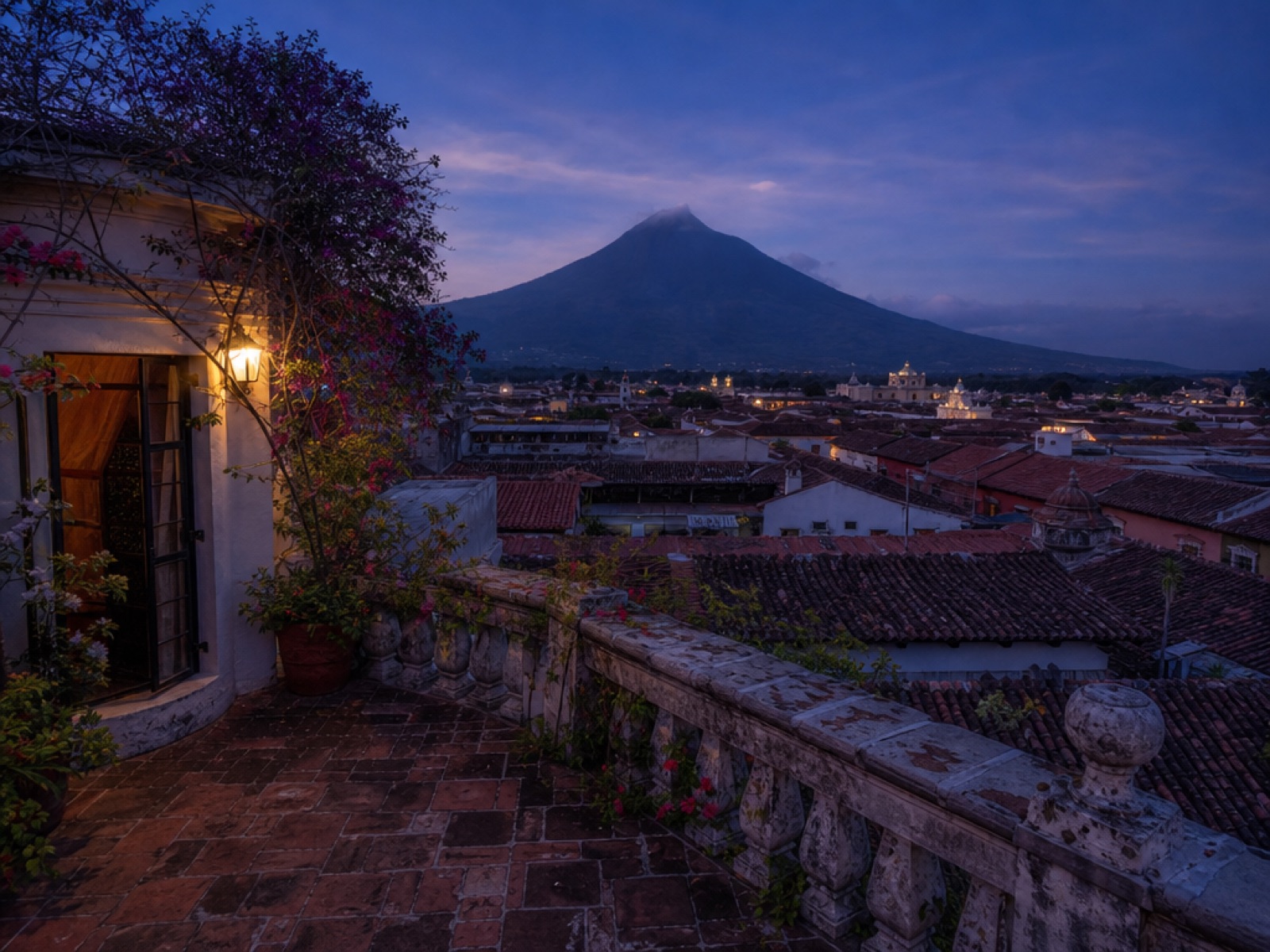
Azotea Rooftop Living in Antigua Guatemala
Ask anyone who has bought a colonial home in Antigua Guatemala what their favorite room is, and a surprising number will point up. Not to a bedroom or a courtyard, but to a flat open platform above the roofline: the azotea. It is the rooftop that turned a house into a lifestyle, and in this town it is often the single feature that decides whether a buyer falls in love.
If you are weighing a purchase here, understanding what an azotea really is — and what it costs to keep one — will change how you read listings. Here is what to look for, what to budget for, and why these rooftops carry more value than any square meter at street level.
What an Azotea Is
An azotea is a flat, walkable terrace built on top of a colonial structure, usually reached by a narrow stair from the main floor. In Antigua the originals were practical: places to dry laundry, wash clothes, and catch fresh air above the heat and dust of the street. Over the decades they became something friendlier — a spot for morning coffee, an outdoor dining room, a privileged perch over the town’s red-tile roofline toward Volcán de Agua.
Not every rooftop qualifies. A true azotea is structurally designed to be walked on and used, with a proper floor, drainage, and often a balustrade or parapet. Many restored colonial homes also add a second-level terrace or patio over a newer section, giving you the same outdoor room with a modern build.
Why Buyers Prize Them
Three things make an azotea worth a premium in this market.
The view is a permanent asset. Antigua’s building restrictions keep the historic center low, so a rooftop terrace is the one reliable way to see the volcano and the surrounding hills without leaving your property. That view rents too: guests and long-term tenants consistently pay more for a unit with outdoor space above the roofline.
It adds usable square meters. In a city where colonial lots are compact, an azotea functions as a second living area. Owners convert them into outdoor kitchens, reading nooks, yoga corners, and evening lounges — effectively increasing the living space of the home without expanding its footprint.
It suits the climate. Antigua’s dry season is glorious at rooftop level, and even in the rainy months a covered corner of an azotea stays usable with the right furniture. For anyone moving from colder climates, the rooftop becomes the equivalent of a back garden — without the garden to maintain.
What to Inspect Before You Buy
A beautiful rooftop can hide real problems, so do not buy on the view alone.
Waterproofing is the big one. The flat roof is the most exposed surface in the house, and a failed membrane usually shows first as stains on the ceiling below. Ask how old the waterproofing is, whether it was recently redone, and whether there is any documented history of leaks.
Check the drainage. Flat colonial roofs rely on scuppers and a gentle slope to shed water. During the rainy season, a blocked drain turns a pleasant terrace into a pond. Look at how water would move across the surface and whether the drains are clear.
Confirm it is genuinely walkable. Some roofs are merely accessible for maintenance and are not reinforced for daily use. If the sellers advertise an azotea, confirm the floor structure is rated for living space, not just occasional visits.
Review the access. The staircase is part of the daily experience. Narrow, steep colonial stairs are charming until you carry furniture or groceries up them twice a day. Decide how much you realistically want to climb.
Note who owns it. In some older shared or divided buildings, the rooftop may be communal or subject to easement rights. Confirm the azotea belongs to the unit you are buying.
Budgeting for Restoration
If you buy a restored home, the azotea is usually already sealed and floored. If you buy a fixer, budget for the terrace as its own line item: waterproofing, flooring, a balustrade, and lighting can add meaningfully to a renovation. In return you get finished outdoor living space that typically recovers its cost on resale. Many owners treat it as the room that sells the house — and it often does.
An Outdoor Room That Rents
For investors, the roof terrace is a quiet differentiator. Short-term guests in Antigua book rooms for the experience, and a private rooftop with a volcano view is among the strongest photos you can put in a listing. The same logic applies to long-term rentals: a furnished terrace is easier to show, justifies a higher monthly rate, and gives renters a reason to renew.
Combined with a well-managed colonial property, a strong azotea can be the difference between a unit that sits and one that is booked. Homeowners who plan to rent out part of their house should weigh the terrace as highly as the bedrooms when comparing options.
The Bottom Line
An azotea is not just decoration — it is working space, an asset, and one of the most Antigua-specific features a property can offer. When you tour homes here, stand on the roof before you look at anything else. A terrace with a view and a visible future is often the piece that turns a house into the place you actually want to live.
Find a Property With the Rooftop You Want
The right azotea is out there, but it sells quickly — colonial homes with finished roof terraces are among the most requested listings in Antigua. Browsing our available properties is a good place to start, and we can point you toward the neighborhoods where elevated, restored homes are most common.
Whether you want a private terrace for yourself or a rentable outdoor space for guests, we can help you find, vet, and negotiate it. Contact Luna to talk through what you are looking for, and she will help you shortlist homes with a rooftop you will actually use every day.
Interested in Antigua Real Estate?
Whether you're looking to buy, rent, or invest — I can help. Free consultation, no pressure.