How to Build a Custom Home in Antigua Guatemala
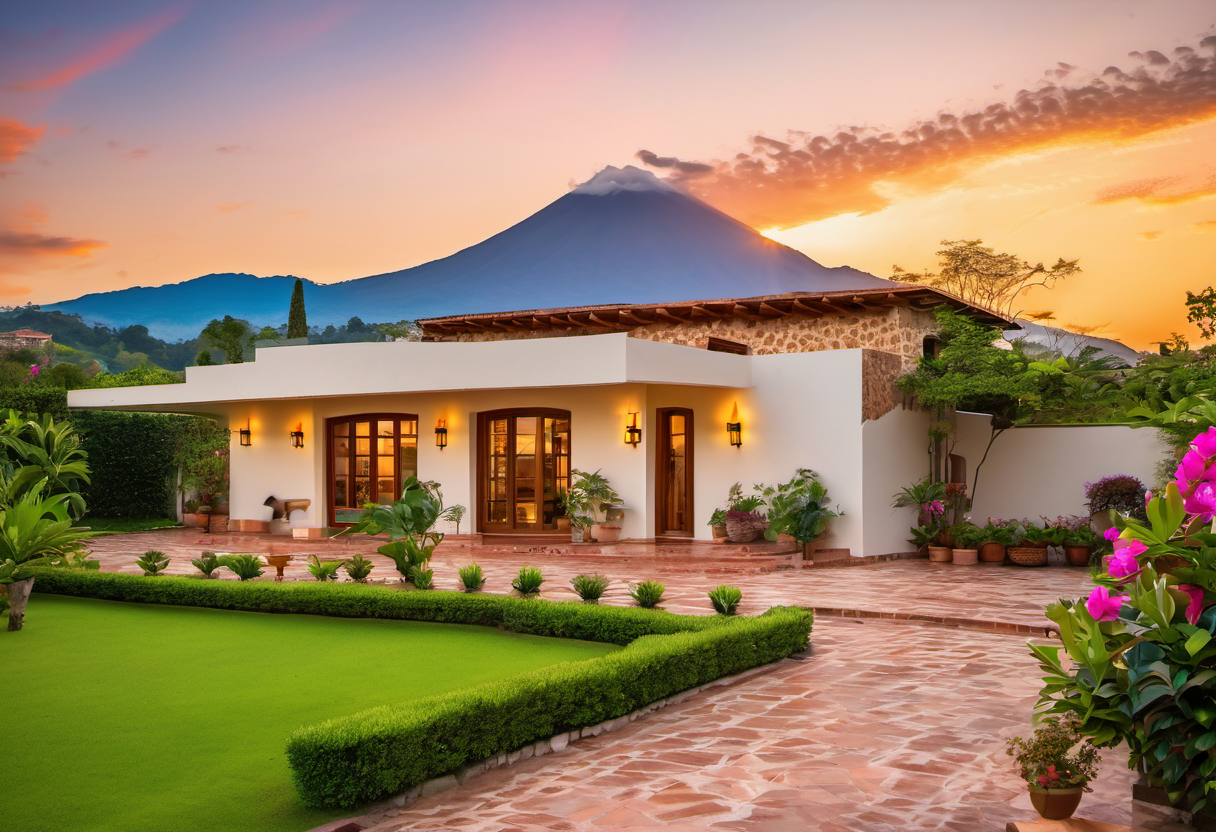
Building a custom home in Antigua Guatemala is one of the most rewarding projects you can take on as a new resident. You get exactly the layout, finishes, and style you want, often for a fraction of what the same home would cost in North America or Europe.
But the process here has its own rhythm. Construction in Guatemala follows different rules, timelines, and expectations than what most foreigners are used to. Understanding those differences upfront saves you from expensive surprises later.
Why Build Instead of Buy?
Antigua has a healthy market of existing colonial homes and modern builds ready to move in. So why go through the hassle of building from scratch?
Customization. Colonial homes in the historic center are beautiful, but their layouts were designed for a different era. Narrow hallways, dark interior rooms, and limited parking are common. Building new lets you combine colonial charm with open floor plans, modern kitchens, and proper natural lighting.
Cost control. A custom build in Antigua typically runs between $800 and $1,500 per square meter, depending on finishes and location. A high-quality 200-square-meter home with good materials might cost $200,000 to $300,000 total. Comparable existing homes in the same area often list for more.
Land availability. There are still attractive lots in Antigua and surrounding communities like Jocotenango, San Miguel Dueñas, and Ciudad Vieja. Prices range from $30,000 in developing neighborhoods to over $200,000 for premium parcels with volcano views inside the city.
Step 1: Find the Right Location
Location drives everything. Inside Antigua’s historic center, you face strict building regulations that protect colonial architecture. The municipality limits building height to two stories and governs facade materials, colors, and styles. These rules preserve the charm that makes Antigua special, but they also narrow your design options.
Properties outside the immediate center, but still within Antigua’s greater area, offer more flexibility. Jocotenango, just five minutes north, lets you build taller and with more modern materials. San Miguel Dueñas and San Pedro Las Huertas each have their own character and usually lower lot prices.
Key considerations when choosing land:
- Water access and rights (municipal vs. private well)
- Road access (some hillsides only have dirt tracks)
- Soil quality and drainage (especially important during rainy season from May to October)
- Utility connections (electricity, water, sewage or septic)
- Zoning restrictions in the historic center
Always verify a lot has a clear title before purchasing. Guatemala’s land registry system is not as centralized as what you might be used to. Have a local attorney review the property documentation through a full title search.
Step 2: Hire a Local Architect
This is the most important decision in the entire process. A good architect in Antigua does much more than draw plans. They navigate the municipal permitting system, recommend trusted builders, and act as your advocate during construction.
Look for architects who have completed projects for foreign clients before. They will understand your expectations about communication, timelines, and quality standards. Ask for references from other expat homeowners and visit completed projects in person.
What to expect from your architect:
- Initial design consultation and site visit
- Architectural plans and 3D renderings
- Structural engineering calculations
- Municipal permit applications
- Construction supervision
- Budget management
Architectural fees in Antigua typically range from 8% to 12% of total construction cost. This includes planning, permitting, and on-site supervision during the build.
Step 3: Understand Permits and Regulations
Building permits in Antigua are handled by the municipal construction office. The process typically takes two to four months, depending on the complexity of the project and the location.
In the historic center, expect additional review by the Consejo Nacional para la Protección de la Antigua Guatemala (CNPAA). This body enforces the UNESCO heritage regulations that keep Antigua’s colonial character intact. They approve or reject design elements like window styles, facade finishes, and roof materials.
Outside the center, permits move faster and come with fewer restrictions. You still need building, electrical, and plumbing permits, but the design freedom is significantly greater.
Documents you need:
- Approved architectural plans
- Structural engineering reports
- Property title (escritura)
- Municipal tax receipts (up to date)
- Builder’s registration
Step 4: Choose a Builder
Word of mouth carries enormous weight in Antigua’s construction community. The best builders are often fully booked months in advance, which tells you something about quality demand in the area.
Your architect will usually recommend builders they trust and have worked with before. This builder-architect relationship is one of the most valuable things in a custom build. They communicate directly, solve problems faster, and the architect can hold the builder accountable to standards.
When evaluating builders:
- Visit their current job sites (not just finished photos)
- Ask about their crew size and subcontractors
- Discuss payment schedules (typically tied to construction milestones)
- Clarify warranty terms on their work
- Confirm they carry liability insurance
Step 5: Manage the Build
Construction timelines in Antigua range from 8 to 14 months for a typical home, depending on size and complexity. The rainy season (May through October) can slow exterior work like roofing and painting. Plan your schedule accordingly.
Payment structure: Most builders work on a milestone-based payment plan. A common breakdown is 30% upfront to cover materials and mobilization, then additional payments at the foundation, walls, roof, and finishing stages. Retain 10% as a final warranty payment after you complete your punch list.
Materials: Guatemala produces quality concrete blocks, steel, and locally sourced hardwoods. Imported finishes like Italian tile, German fixtures, or American appliances are readily available through specialized importers, but add cost and lead time. Plan on four to eight weeks for imported items.
Stay involved. Visit the site regularly. Weekly visits are good, twice a week is better during active construction. Things that look wrong to an untrained eye still are wrong. Trust your instincts and ask questions.
Step 6: Final Details and Move-In
Before final handover, do a thorough walkthrough with your architect. Create a punch list of items that need correction or completion. Common items include paint touch-ups, grout issues, minor plumbing adjustments, and hardware alignment.
Once the punch list is resolved, your architect will issue a completion certificate through the municipality. This document is essential for insurance and future resale.
Budget reality check:
- Lot: $30,000 to $200,000+
- Architecture and engineering: $15,000 to $35,000
- Construction (200 sqm at $1,000/sqm average): $200,000
- Permits and legal fees: $3,000 to $7,000
- Furnishing and landscaping: $15,000 to $40,000
Total realistic budget for a quality custom home: $270,000 to $475,000 depending on land and finishes.
The Bottom Line
Building a custom home in Antigua Guatemala gives you a level of personalization and value that buying existing cannot match. The process requires patience, the right local team, and a willingness to adapt to how things work here. But the result is a home designed for your life, in one of the most beautiful cities in Central America.
Ready to explore building your dream home in Antigua? Contact Luna Jerney to discuss land options, builder recommendations, and what it takes to get started.
Interested in Antigua Real Estate?
Whether you're looking to buy, rent, or invest — I can help. Free consultation, no pressure.