
Buying Property in Guatemala as a Foreigner: 2026 Guide
Can Foreigners Buy Property in Guatemala?
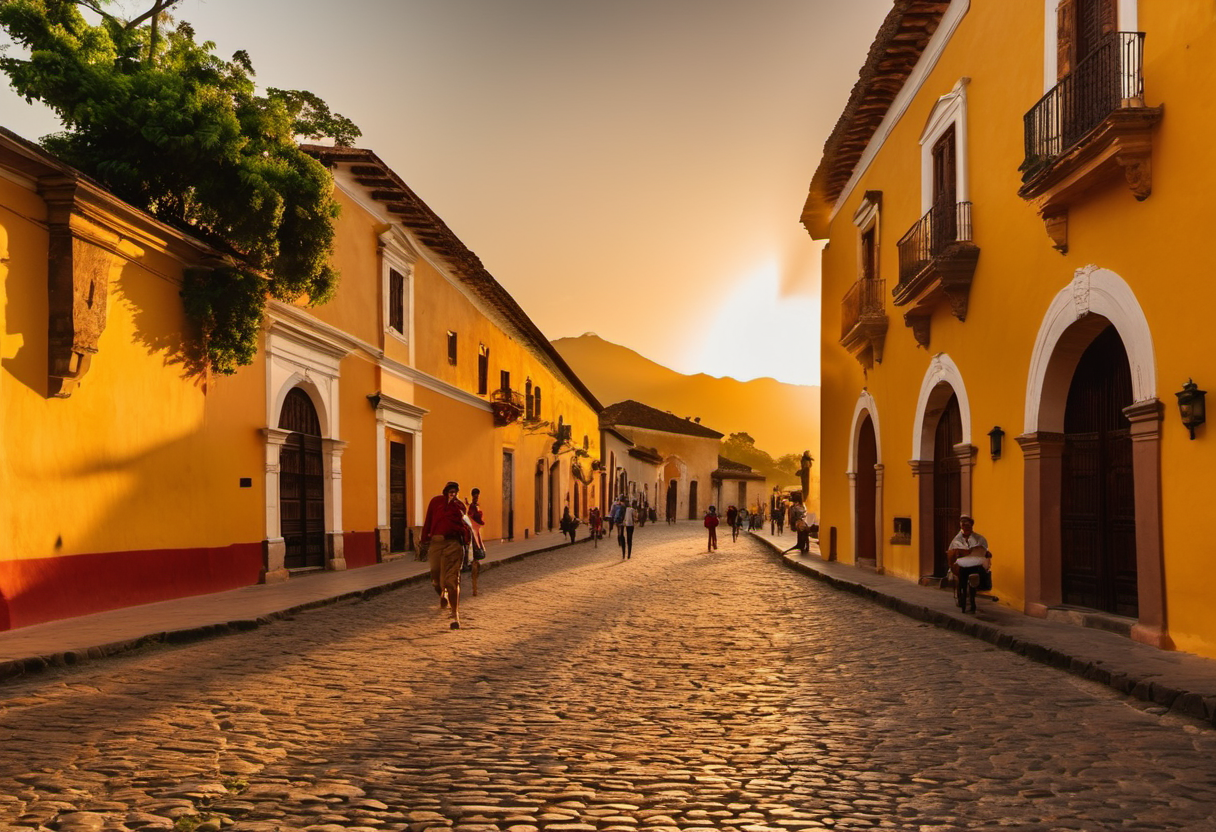
Yes — foreigners can buy property in Guatemala with virtually no restrictions. Unlike many Latin American countries that limit foreign ownership near coastlines or borders, Guatemala allows non-citizens to purchase residential and commercial real estate anywhere in the country, including Antigua Guatemala. The process is straightforward but requires careful due diligence, the right legal representation, and an understanding of local property law.
This guide walks you through every step of buying property in Guatemala as a foreigner, from initial research to receiving your deed.
Why Foreigners Are Buying in Guatemala
Guatemala’s real estate market has attracted growing international attention over the past several years. Here’s why:
- Affordable entry point: Colonial homes in Antigua Guatemala range from $80,000 to $500,000 — a fraction of comparable UNESCO World Heritage properties in Europe or Mexico.
- No foreign ownership restrictions: You can own property outright in your own name, just like a Guatemalan citizen.
- Strong rental market: Antigua’s tourism-driven economy supports short-term rental yields of 8–15% annually.
- Low property taxes: Annual property taxes in Guatemala typically run 0.5–1% of the registered value, among the lowest in the Americas.
- Growing expat community: Thousands of North Americans and Europeans already live in Antigua, creating a supportive network for newcomers.
Understanding Guatemala’s Legal Framework for Property
Guatemala operates under a civil law system. Property ownership is governed by the Civil Code and registered through the Registro de la Propiedad (Property Registry). Here are the key legal concepts every foreign buyer should understand:
Fee Simple Ownership
When you buy property in Guatemala, you receive fee simple title — full, transferable ownership. There are no leasehold arrangements or special categories for foreign buyers. Your ownership rights are identical to those of a Guatemalan national.
The Property Registry (Registro de la Propiedad)
All property transactions must be registered with the Registro de la Propiedad in the jurisdiction where the property is located. This registry is the official record of ownership, liens, and encumbrances. A clean registry search (consulta de certificación) is one of the most critical steps in any purchase.
Maritime Law Zone (Zona Marítima)
The one exception to unrestricted ownership applies to coastal properties. Within a few kilometers of the Pacific and Caribbean coasts, the government controls a strip of land called the zona marítima. However, this does not affect properties in Antigua Guatemala or the surrounding highland communities.
Step-by-Step: How to Buy Property in Guatemala as a Foreigner
Step 1: Get Your Paperwork in Order
You do not need residency to buy property in Guatemala. However, you will need:
- A valid passport
- A Guatemalan tax identification number (NIT — Número de Identificación Tributaria). Your attorney can obtain this for you in a single day at the SAT (tax authority) office.
- A local attorney who specializes in real estate transactions
Step 2: Hire a Reputable Real Estate Attorney
This is the most important decision you’ll make. A qualified attorney will:
- Conduct a thorough title search at the Property Registry
- Verify there are no liens, encumbrances, or legal disputes
- Confirm the property boundaries match the survey
- Draft or review the purchase contract (promesa de compraventa)
- Handle tax filings and registration
Luna Jerney at Antigua Real Estate Development works with trusted local attorneys who specialize in foreign buyer transactions. Having an experienced team on your side makes the process smooth and secure.
Step 3: Conduct Due Diligence
Your attorney should perform several checks before you commit:
- Title search: Verify the seller has clear, marketable title going back at least 20 years.
- Registry certification: Confirm no liens, mortgages, or legal claims against the property.
- Municipal verification: Ensure property taxes are current and there are no outstanding municipal debts.
- Survey and boundaries: Hire a licensed surveyor (agrimensor) to confirm the property boundaries match the registered plan.
- Zoning check: Verify the property’s designated use aligns with your intended purpose.
Due diligence typically takes 2–4 weeks and costs between $300 and $800 depending on complexity.
Step 4: Sign the Purchase Agreement
Once due diligence clears, both parties sign a promesa de compraventa (promise of sale). This binding contract outlines:
- The agreed purchase price
- Payment terms and timeline
- Conditions for closing
- Penalties for either party backing out
At this stage, you’ll typically deposit 10–20% of the purchase price into an escrow account held by your attorney.
Step 5: Close the Transaction
Closing involves signing the escritura pública (public deed) before a Guatemalan notary. The notary is a licensed attorney authorized to authenticate legal documents. Both buyer and seller (or their legal representatives with power of attorney) must be present.
At closing, you’ll pay the remaining balance plus:
- Transfer tax (IVA): Guatemala charges a 5% transfer tax on the declared property value. This is traditionally split equally between buyer and seller (2.5% each), though this is negotiable.
- Notary fees: Typically 0.5–1% of the transaction value.
- Registration fees: A small fee to register the new deed with the Property Registry.
Step 6: Register Your Title
After closing, your notary files the new deed with the Registro de la Propiedad. Registration usually takes 2–6 weeks. Once complete, you receive a certified copy of the registered deed (certificación de propiedad) confirming your legal ownership.
Costs of Buying Property in Guatemala
Here’s a realistic breakdown for a foreign buyer:
| Cost | Typical Range |
|---|---|
| Purchase price | $80,000 – $500,000 (Antigua) |
| Transfer tax (buyer’s share) | 2.5% of declared value |
| Notary fees | 0.5 – 1% |
| Attorney fees | $800 – $2,500 |
| Title search & due diligence | $300 – $800 |
| Survey | $200 – $500 |
| Registration fees | $50 – $200 |
| Total closing costs | ~4–5% of purchase price |
Annual property taxes are remarkably low — often $200–$800 per year for a standard home in Antigua.
Common Mistakes Foreign Buyers Make
Skipping the attorney. Guatemala’s property system works differently than in the US, Canada, or Europe. A local attorney is not optional — they’re essential.
Relying on the seller’s information. Always conduct independent title searches and surveys. Don’t take the seller’s word on boundaries, liens, or tax status.
Declaring a low price to save on taxes. Some sellers suggest declaring a lower value to reduce transfer taxes. This is technically tax fraud, reduces your legal protections, and can create problems when you eventually sell.
Not visiting the property in person. Photos and descriptions can be misleading. Walk the property, check the neighborhood, and inspect the structure before committing.
Ignoring the rainy season. If possible, visit during Guatemala’s rainy season (May–October) to see how the property handles drainage and moisture.
Financing Options for Foreign Buyers
Most property purchases in Guatemala are cash transactions. Mortgage financing for foreigners is extremely limited. Some options include:
- Cash purchase: The most common and simplest approach.
- Seller financing: Some sellers offer installment plans, typically with 30–50% down and 1–3 year terms.
- Home equity from your home country: Some buyers leverage existing property equity through their home country bank.
- Developer financing: Some development projects offer payment plans during construction.
Best Areas for Foreign Buyers in Antigua Guatemala
Antigua Centro Histórico
The historic center offers walkability to restaurants, shops, and cultural sites. Colonial homes range from fixer-uppers ($80,000–$150,000) to fully restored gems ($250,000–$500,000+).
San Miguel Dueñas
A quiet town 10 minutes from Antigua with larger lots and lower prices. Ideal for buyers wanting space and volcano views.
Jocotenango
Just north of Antigua, Jocotenango offers a more local feel with easy access to the city. Property prices are 20–30% lower than in Centro.
Ciudad Vieja
The original colonial capital sits just south of Antigua with a relaxed pace and stunning mountain scenery. Growing in popularity with expats.
Tax Implications for Foreign Property Owners
Guatemala taxes property based on registered value, not market value. Annual predial (property tax) is typically 0.5–1% of the registered value. There is no capital gains tax withholding for foreigners — gains are taxed as regular income at a flat rate. Consult with a tax professional in both Guatemala and your home country to optimize your tax position.
Rental income earned in Guatemala is subject to local income tax. If you’re operating a short-term rental, you’ll also need to register with the SAT and collect applicable taxes from guests.
Ready to Buy Property in Antigua Guatemala?
Buying property in Guatemala as a foreigner is a well-established process with strong legal protections. The key is working with experienced professionals who understand both the local market and the unique needs of international buyers.
Luna Jerney and the team at Antigua Real Estate Development have helped dozens of foreign buyers find and purchase their ideal property in Antigua and the surrounding communities. Whether you’re looking for a colonial restoration project, a turnkey vacation home, or a rental investment property, Luna can guide you through every step.
Contact Luna Jerney today to start your property search in Antigua Guatemala:
Your dream property in one of the Americas’ most beautiful cities is closer than you think.
Interested in Antigua Real Estate?
Whether you're looking to buy, rent, or invest — I can help. Free consultation, no pressure.