
Buying a Vacation Home in Antigua Guatemala: A Guide for International Buyers
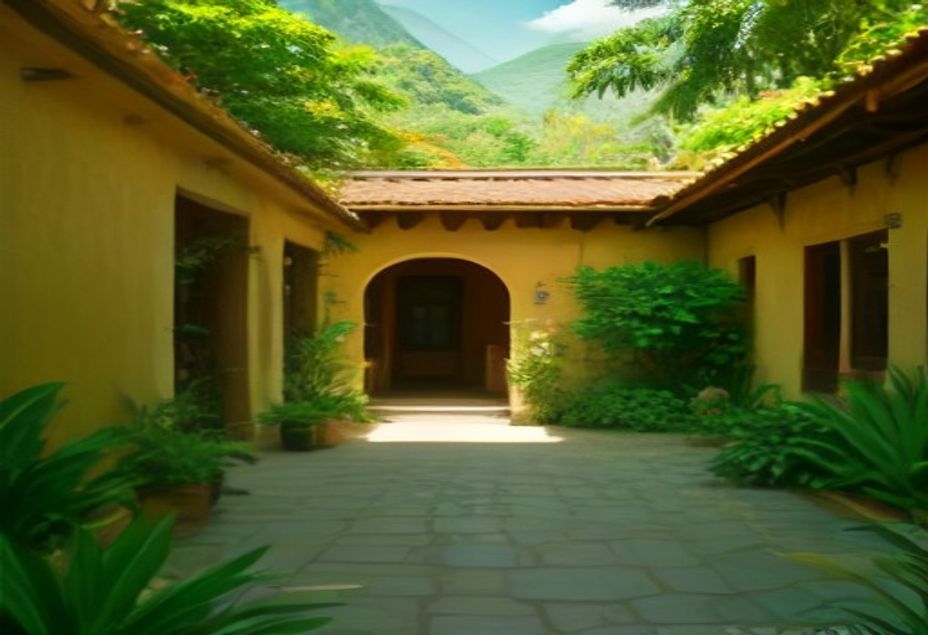
Antigua Guatemala has long been a magnet for travelers seeking colonial charm, volcanic landscapes, and a pace of life that feels a world away from the daily grind. But for many international visitors, a week here is never enough. The solution? Buying a vacation home in Antigua Guatemala that you can enjoy year after year while it pays for itself through short-term rentals when you are away.
More and more foreign buyers are discovering that Antigua offers one of the best value propositions in Central America for a second home. Prices remain accessible compared to similar colonial cities like San Miguel de Allende or Granada, the legal framework welcomes foreign ownership, and the tourism market continues to grow steadily.
This guide covers everything you need to know: from choosing the right neighborhood to understanding the purchase process, managing your property from abroad, and making your vacation home work as an investment.
Why Antigua Guatemala for a Vacation Home?
Antigua is not just a tourist destination. It is a place where people come back to. The city’s UNESCO World Heritage status protects its colonial architecture and cobblestone streets, ensuring the character that draws visitors remains intact. At the same time, modern amenities — reliable internet, international restaurants, quality healthcare, and a thriving expat community — make it a comfortable base for extended stays.
The climate is another major draw. Antigua sits at 1,500 meters (5,000 feet) above sea level, giving it spring-like temperatures year-round. No need for air conditioning or heating in most homes. Your vacation home is comfortable 12 months of the year, and so are your guests.
For international buyers, Guatemala offers straightforward property ownership rules. Foreigners can buy property in their own name with the same rights as Guatemalan citizens. There are no restrictions on foreign ownership of land or homes within the country, with the sole exception of land within 15 kilometers of international borders or coastlines — a rule that does not affect Antigua or the central highlands at all.
Best Neighborhoods for Vacation Homes
Choosing the right location for your second home depends on your priorities: proximity to the historic center, mountain views, tranquility, or rental yield.
Historic Center and La Antigua
Properties within the colonial grid offer immediate access to restaurants, galleries, shops, and the iconic Parque Central. These are the most sought-after by short-term renters, who want to step out their door and into the action. Colonial homes here often feature interior courtyards, fountains, and rooftop terraces with volcano views.
The trade-off is price and noise. A restored colonial home in the center commands a premium, and weekends near the park can be lively with festivals and events. If walkability is your top priority, this is your zone.
San Pedro Las Huertas and Ciudad Vieja
Just south of the city center, these residential areas offer more space and quieter streets while remaining a short drive or taxi ride from the main plaza. Properties here tend to be newer constructions with modern layouts, private gardens, and dedicated parking. For families or buyers who want a pool and outdoor space, these neighborhoods deliver better value per square meter.
El Hato and the Highlands
For the buyer seeking mountain living, El Hato and the surrounding hillsides above Antigua offer an entirely different experience. Properties here come with sweeping views of the Valley of Antigua and Volcan de Agua, cooler temperatures, and a deep sense of tranquility. The area is home to Finca El Tambor and other mountain communities where rental properties like the Catarata cabin and Casa Coi eco-house have proven highly popular with travelers seeking a nature retreat.
The trade-off is distance from the center (15-20 minutes by car) and the need for a vehicle. But for guests looking for a peaceful mountain escape, these properties command premium nightly rates and strong occupancy.
Jocotenango and San Miguel Dueñas
These satellite towns north and south of Antigua offer more affordable land and home prices while remaining within easy reach of the city. Jocotenango had its own real estate surge in recent years, and San Miguel Dueñas is emerging as a hidden gem for buyers priced out of central Antigua. Both are excellent options for buyers on a budget who still want strong rental potential.
The Purchase Process for Foreign Buyers
Buying property in Guatemala as a foreigner is more straightforward than many expect. Here is the typical timeline.
Step 1: Find a trusted real estate agent. This is the most important decision you will make. A good agent with experience working with foreign buyers will guide you through every step, from property search to closing. They will help you identify legitimate listings, negotiate prices, and connect you with the right lawyers and notaries.
Step 2: Conduct due diligence. Before making an offer, your lawyer will research the property’s title at the Registro General de la Propiedad (the national property registry). This search confirms the seller actually owns the property, reveals any liens or encumbrances, and verifies that property taxes are current. This is a non-negotiable step. Never skip it.
Step 3: Sign a purchase agreement. Once due diligence is clear, you and the seller sign a private purchase agreement (promesa de compraventa) that outlines the price, payment schedule, and closing date. A deposit (typically 10-30 percent) is paid at this stage.
Step 4: Obtain a NIT (tax ID number). Foreign buyers need a Guatemalan tax ID number to register the property in their name. Your lawyer can help you obtain this from the SAT (superintendencia de administracion tributaria). It is a simple process that takes a few days.
Step 5: Close the sale. Closing happens before a Guatemalan notary (notario), who drafts the public deed (escritura publica). The notary is a licensed attorney who acts as an officer of the court. Both parties sign, the balance is paid, and the notary registers the new title with the property registry. This process takes four to eight weeks from start to finish.
Total costs for a foreign buyer typically include:
- Property price (negotiable)
- Notary fees: 1-2 percent of the purchase price
- Property registration: approximately 1-1.5 percent
- Legal fees: $1,000 to $3,000 depending on complexity
- NIT application: minimal
- Transfer tax: approximately 3 percent of the declared value
Budget roughly 6-8 percent above the purchase price for all closing costs.
Making Your Vacation Home Pay for Itself
One of the most attractive aspects of buying a vacation home in Antigua Guatemala is the short-term rental market. The city receives over 500,000 visitors annually, and the supply of quality vacation rentals has not kept pace with demand.
A well-located property with good design and amenities can achieve 60-70 percent occupancy during peak season (November through May) and 40-50 percent during the rainy season. Monthly rental income for a two-bedroom home in a desirable neighborhood typically ranges from $2,000 to $4,000, depending on season and quality.
To maximize rental income, consider these strategies:
Professional photography and staging. The first impression is everything. Invest in quality listing photos that show your property at its best. Short-term renters book based on visuals, and good photography pays for itself many times over.
Work with a local property manager. If you are not living in Antigua full-time, a property manager is essential. They handle guest communication, check-ins, cleaning, maintenance, and repairs. Typical management fees range from 15 to 25 percent of rental revenue. Given that Luna Jerney and Antigua Real Estate Development offer property management services for absentee owners, you can rest assured your investment is in capable hands.
Price dynamically. Adjust your nightly rates based on season, local events (Semana Santa drives massive demand), and booking lead time. Tools like PriceLabs or Beyond Pricing integrate with Airbnb and Vrbo to automate this.
Offer extended stay discounts. Many visitors to Antigua come for a week or more. Offering a weekly or monthly discount can increase your occupancy and reduce turnover costs. Longer stays mean less cleaning, fewer check-ins, and more reliable income.
Property Management from Abroad
Managing a vacation home from another country is easier than ever, but it requires setting up the right systems from day one.
A good property manager is your eyes and ears on the ground. They should handle everything from coordinating cleaners and gardeners to emergency repairs and guest issues. Before hiring anyone, ask for references from other foreign property owners and visit properties they manage if possible.
Technology fills the gaps. Smart locks with temporary access codes let guests check themselves in without a key exchange. Security cameras (exterior only, as interiors violate Airbnb policies and guest privacy) let you keep an eye on the property. Noise monitoring devices like Minut or NoiseAware alert you to parties without recording audio.
For financial management, set up a Guatemalan bank account for local expenses. Your property manager can deposit rental income here, and you can transfer funds internationally as needed. Some owners prefer to have rent paid into a U.S. or European account and pay local expenses separately.
Tax Considerations for Foreign Owners
Foreign property owners in Guatemala pay the same property taxes as locals. The IUSI (Impuesto Unico sobre Inmuebles) is an annual tax based on the registered value of the property. Rates are progressive, ranging from 0.2 to 0.9 percent, with most vacation homes falling in the lower brackets.
Rental income earned from a Guatemalan property is subject to Guatemalan income tax. The rate depends on whether you rent through a platform like Airbnb (which withholds and remits taxes on your behalf in some cases) or directly. Your property manager or accountant can help you navigate this.
It is always advisable to consult with both a Guatemalan tax professional and one from your home country. The U.S.-Guatemala tax treaty avoids double taxation for American owners, and similar agreements exist with other countries.
Is a Vacation Home in Antigua Right for You?
A vacation home in Antigua Guatemala works best for buyers who:
- Visit Central America at least once or twice a year and want their own space
- Are looking for a lifestyle investment that generates income between visits
- Appreciate colonial architecture, mountain scenery, and a slower pace of life
- Are comfortable with the logistics of cross-border property ownership
- Have a timeline of at least five years to let the property appreciate
It may not be right for buyers who need liquidity, want a fully passive investment, or are uncomfortable with the idea of managing property from afar. If you fall into that camp, long-term rentals through a dedicated property manager can still give you exposure to the Antigua market without the hands-on involvement.
Ready to Find Your Vacation Home?
Whether you are looking for a colonial casita in the historic center, a modern home with a pool in San Pedro Las Huertas, or a mountain retreat in El Hato, there are incredible options available at every price point.
Antigua Real Estate Development works with international buyers every day, helping them find the perfect second home and managing it for them when they are away. From property search to closing to ongoing management, we make the process simple and transparent.
Ready to explore? Contact Luna Jerney to start your search for the perfect vacation home in Antigua Guatemala.