Ciudad Vieja Living Guide: Antigua's Quieter Neighbor
Ciudad Vieja is the first capital of Guatemala, founded in 1527 — nearly two decades before Antigua. Today it’s a peaceful residential town tucked at the base of Volcán de Agua, just 10 minutes south of Antigua’s central plaza. For expats and buyers looking for authentic Guatemalan living without the tourist-bustle price tag, Ciudad Vieja deserves a serious look.
Why Expats Are Choosing Ciudad Vieja
The town has a different energy than Antigua. There are no tour groups clogging the sidewalks, no souvenir shops on every corner. Instead you’ll find a working Guatemalan town with a colonial-era central park, a beautiful parish church, and daily life unfolding at a slower pace.
Property prices run 20–40% lower than comparable homes in central Antigua. A renovated colonial with three bedrooms and a garden might list between $120,000 and $180,000 USD, while similar properties inside Antigua’s city center regularly exceed $250,000. That price gap makes Ciudad Vieja attractive for buyers who want character and space without stretching their budget.
The commute to Antigua is straightforward — regular chicken buses and tuk-tuks connect the two towns along a paved road, and driving takes under 15 minutes even during morning traffic. You get the quiet residential lifestyle with Antigua’s restaurants, markets, and social scene just a short ride away.
A Brief History That Shapes the Town
Ciudad Vieja was Guatemala’s first capital, originally called Santiago de los Caballeros. In 1541, a catastrophic mudflow from Volcán de Agua destroyed the city and killed the colonial governor’s wife, prompting the capital’s relocation to what is now Antigua Guatemala.
That history left its mark. The town’s layout still follows the colonial grid pattern, and remnants of the original Spanish settlement are scattered throughout. The Parish Church of Ciudad Vieja, rebuilt multiple times after earthquakes, anchors the central park. The town’s patron saint festivals in late July are among the most vibrant in the Antigua valley — processions, fireworks, and traditional food stalls fill the streets for nearly a week.
Understanding this history matters for property buyers because it means Ciudad Vieja has established infrastructure, defined boundaries, and a community identity that newer developments around Antigua simply cannot match.
What Daily Life Looks Like
Shopping and Services
Ciudad Vieja has its own municipal market where you’ll find fresh produce, meats, and household goods at local prices — noticeably cheaper than Antigua’s central market, which caters increasingly to tourists and restaurants. Several small supermarkets, hardware stores, and pharmacies line the main road.
For larger shopping runs, Antigua’s La Bodegona supermarket and the Friday artisan market are a short drive away. Guatemala City’s major malls are about an hour northeast via the CA-9 highway.
Dining
The restaurant scene is modest but genuine. Small comedores serve traditional Guatemalan breakfast — huevos rancheros, black beans, fresh tortillas, and strong coffee — for under $3 USD. A handful of newer cafés have opened along the main road, catering to the growing expat community. For fine dining or international cuisine, Antigua remains the go-to.
Community
Ciudad Vieja has a tighter-knit feel than Antigua’s more transient population. Several expats who moved here years ago have become fixtures in the community — volunteering at local schools, participating in town festivals, and helping neighbors navigate municipal processes. If you’re looking for genuine integration rather than an expat bubble, this town rewards the effort.
The local municipal government is generally approachable, and property transactions, while still requiring a lawyer, tend to move with less bureaucratic friction than in larger cities.
Property Types Available
Colonial Homes
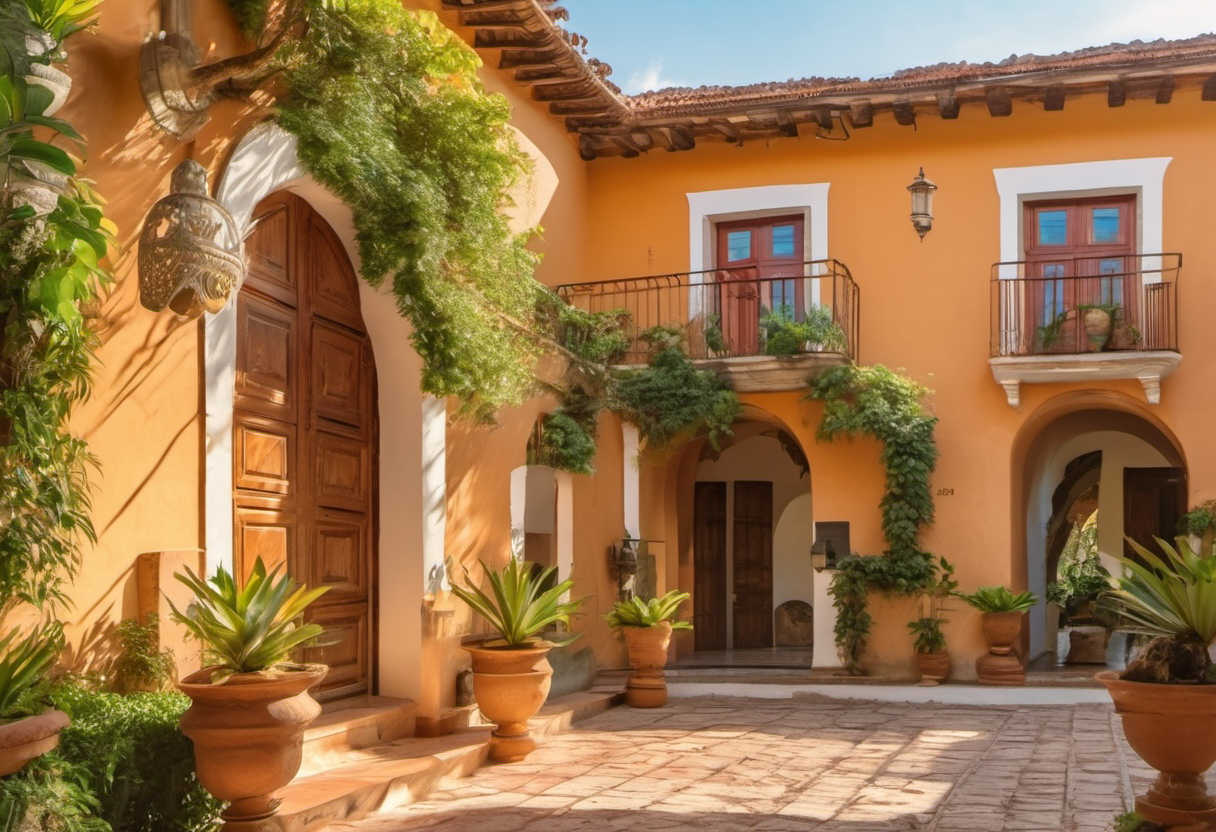
Like Antigua, Ciudad Vieja has colonial-era properties — thick adobe walls, interior courtyards, tile roofs. Many are in varying states of repair, from fully restored to fixer-upper opportunities. Restoration costs in Ciudad Vieja tend to run 15–25% less than in Antigua proper because labor and materials are sourced more locally.
Modern Construction
Newer homes and small developments have appeared on the outskirts, particularly along the road toward San Miguel Dueñas. These typically offer modern layouts, parking, and gardens at prices that would get you a studio apartment in central Antigua.
Land
Agricultural and residential lots are available in the surrounding hills, some with spectacular views of Volcán de Agua or Volcán de Fuego in the distance. Land prices range from $15 to $40 per square meter depending on location and road access — significantly below Antigua rates.
Things to Consider Before Buying
Earthquake Risk
Ciudad Vieja sits in the same seismic zone as Antigua. The 1773 Santa Marta earthquakes devastated both towns, and periodic tremors continue. Any property purchase should include a structural assessment, especially for older colonial construction. Modern building codes in Guatemala have improved, but enforcement varies — hire an independent engineer to inspect before committing.
Water and Utilities
Water supply can be intermittent during dry season (November through April). Most homes have tinacos (water storage tanks) on the roof, and some properties include wells or cisterns. Confirm the water situation with neighbors before buying — it’s the most common complaint from new residents.
Electricity and internet are reliable. Fiber optic internet reached Ciudad Vieja in recent years, making it viable for remote workers who need stable connections.
Transportation
Having your own vehicle is a significant advantage. While tuk-tuks and buses cover the main routes, service frequency drops in the evenings and on weekends. If you plan to commute to Antigua daily, factor in fuel costs and the occasional traffic slowdown on the main road.
Legal Process
Foreigners can buy property in Guatemala with the same rights as citizens — no special residency or visa is required. The process involves a notary (notario), property registry verification, and transfer tax payment. Budget approximately 4–6% of the purchase price for closing costs, including legal fees and taxes. Always verify the property has a clear title (escritura pública) and no outstanding liens before signing anything.
Who Ciudad Vieja Is Best For
This town suits buyers who prioritize:
- Affordability — more house for less money compared to Antigua
- Authenticity — genuine Guatemalan community life, not a tourist version
- Space — larger lots, gardens, room for parking
- Quiet — no nightlife noise, no tour bus traffic
- Proximity — still close enough to Antigua for social life and dining
It may not be the right fit if you want walkable access to restaurants and nightlife, prefer a fully expat social circle, or need the prestige address that comes with a central Antigua property.
Getting Started
The best way to evaluate Ciudad Vieja is to spend time there. Rent for a month or two before committing to a purchase. Walk the streets, visit the market, talk to the expats who already live there. The town reveals its character slowly — and that’s part of its appeal.
Ready to explore properties in Ciudad Vieja and the greater Antigua area? Contact Luna Jerney at Antigua Real Estate Development. Luna knows the local market inside and out and can help you find the right property whether you’re looking for a colonial restoration project, a modern home, or a piece of land with volcano views.
Interested in Antigua Real Estate?
Whether you're looking to buy, rent, or invest — I can help. Free consultation, no pressure.