
Eco-Friendly Living in Antigua Guatemala
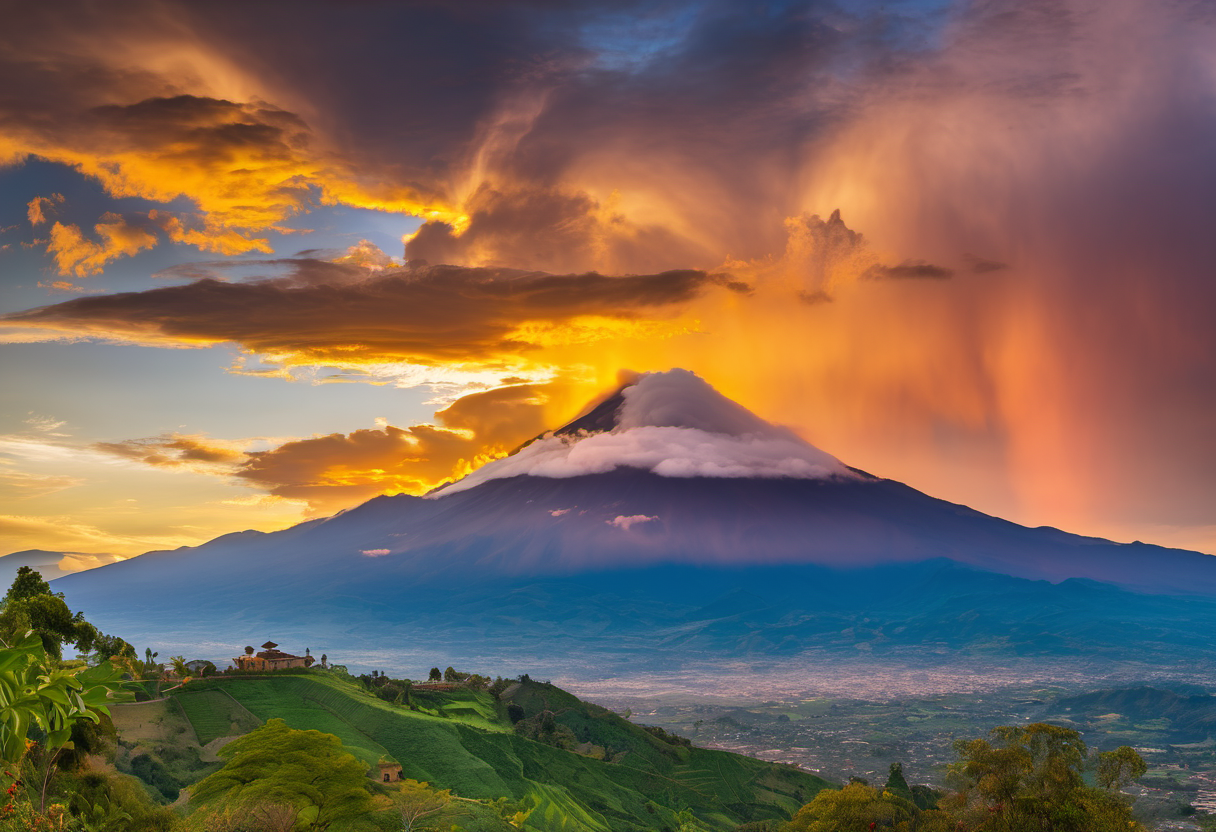
Antigua Guatemala is increasingly attracting environmentally conscious expats and investors who want a lifestyle that blends colonial charm with sustainable living. From solar-powered homes in the hills to rainwater collection systems in restored colonial properties, the region offers more green options than many newcomers expect. This guide covers everything you need to know about eco-friendly living and sustainable real estate in Antigua Guatemala.
Why Eco-Friendly Living Matters in Antigua Guatemala
Sustainability is not just a trend in Antigua. It is a practical necessity. The region sits in a volcanic valley with abundant sun, seasonal rainfall, and a growing population that puts pressure on municipal utilities. Homes that incorporate solar energy, rainwater harvesting, and energy-efficient design are not only better for the environment. They also save money on utilities and provide greater independence from the public grid.
For expats moving from countries where sustainable building practices are standard, Antigua offers a chance to live comfortably while reducing their environmental footprint. Many newer developments and renovated colonial properties now include green features as standard amenities, making it easier than ever to find an eco-friendly home.
Solar Energy in Antigua Guatemala
Solar power is the most accessible and impactful green upgrade for homes in Antigua Guatemala. With over 300 sunny days per year, the region has excellent conditions for photovoltaic systems. Many homes in the surrounding hills and communities like El Hato, San Miguel Duenas, and Ciudad Vieja already have solar panels installed.
A typical residential solar system in Antigua costs between $3,000 and $8,000 USD depending on size and battery storage. Most systems pay for themselves within 3 to 5 years through electricity savings. Solar water heaters are also common and particularly effective in this climate, providing hot water without any ongoing fuel cost.
For homes inside the colonial city center, solar panels may require approval from the Antigua conservation board since visible rooftop installations can affect the historic streetscape. Ground-mounted panels or panels on less visible roof sections usually pass without issue.
Rainwater Collection and Water Independence
Water is a serious consideration for anyone living in Antigua Guatemala. The municipal supply can be intermittent, especially during the dry season from November to April. Many homes, particularly outside the city center, rely on rainwater collection systems as a primary or supplementary water source.
A typical rainwater system in Antigua includes rooftop collection channels, a storage cistern (usually 5,000 to 20,000 liters), and a filtration system. Installation costs range from $1,500 to $5,000 USD depending on cistern size and pump specifications. During the rainy season from May to October, a properly sized system can provide enough water for a household of four for several months.
Properties with existing rainwater infrastructure are increasingly sought after by environmentally conscious buyers. If you are looking at land in the Antigua Valley, ask the real estate agent whether the property has water rights, a well, or the potential for rainwater harvesting.
Sustainable Building Materials and Design
Colonial architecture itself is surprisingly sustainable. Thick adobe walls provide natural insulation, keeping homes cool in the day and warm at night. High ceilings promote airflow, and interior courtyards create natural ventilation chimneys. When these traditional design elements are combined with modern green technology, the result is a home that stays comfortable year-round with minimal energy use.
Newer developments in areas like Jocotenango, San Lucas Sacatepequez, and Santa Lucia Milpas Altas are incorporating sustainable materials such as locally sourced stone, recycled roof tiles, and bamboo for interior elements. Some builders are also using insulated concrete forms and energy-efficient windows, which are still uncommon in Guatemala but increasingly available.
If you are considering building a custom home in Antigua Guatemala, ask your architect about passive solar design, natural ventilation strategies, and locally sourced building materials. These choices can reduce construction costs and long-term utility expenses.
Green Real Estate: What to Look For
When searching for an eco-friendly property in Antigua Guatemala, here are the features that matter most:
Solar panels or solar water heater. Rainwater collection cistern or well. Natural ventilation through courtyard or cross-breeze design. High ceilings (3.5 meters or more) for passive cooling. Southern or western exposure for optimal solar gain. Property orientation that maximizes natural light. Existing water rights or water sharing agreements. Proximity to organic markets and farm-to-table restaurants.
Properties in the Antigua Valley floor tend to have better access to municipal water but less space for rainwater cisterns. Hillside properties in communities like El Hato, San Miguel Duenas, and Pastores offer more land for green infrastructure but may require a vehicle for daily errands.
The Cost of Sustainable Living
Going green in Antigua Guatemala is often more affordable than in North America or Europe. Solar installation costs roughly half of what it would in the United States. Labor for rainwater system installation is significantly lower. And the materials, especially locally sourced stone and tile, are considerably cheaper.
On the other hand, imported green technology like high-efficiency windows, heat pumps, and advanced water filtration can be expensive and hard to find locally. Most expats compromise by combining local solutions (solar water heaters, adobe construction, rainwater collection) with a few targeted imports for critical systems.
Luna Jerney of Antigua Real Estate Development frequently helps clients identify properties with green potential and connect with local contractors who specialize in sustainable renovations. Whether you are buying a fixer-upper in the historic center or building new in the hills, there are options for every budget.
Sustainable Communities Around Antigua
Several communities near Antigua Guatemala are known for their commitment to sustainable living. El Hato, a mountain community above the city, has a strong eco-conscious culture with off-grid homes, organic farms, and permaculture projects. San Miguel Duenas offers larger lots for those who want to grow their own food. Pastores, traditionally known for its boot-making industry, is becoming a hub for affordable green housing.
Ciudad Vieja and San Juan del Obispo offer a blend of colonial charm and rural living with access to natural springs and agricultural land. These communities tend to be more affordable than the Antigua city center while offering better opportunities for self-sufficient living.
Getting Started with Sustainable Living
If you are considering an eco-friendly move to Antigua Guatemala, start by visiting the area during both the dry and rainy seasons. Talk to local homeowners about their water and energy systems. Visit organic markets in Antigua to connect with the sustainability community. And work with a real estate agent who understands green building and can help you evaluate properties for their eco-friendly potential.
The combination of year-round mild climate, abundant sun, and a growing awareness of sustainability makes Antigua Guatemala an excellent choice for environmentally conscious expats, retirees, and investors. With the right property and a few strategic upgrades, you can enjoy a comfortable, affordable, and environmentally responsible life in one of the most beautiful cities in the world.
Ready to find your sustainable home in Antigua Guatemala? Contact Luna Jerney to explore eco-friendly properties that match your lifestyle and values.
Interested in Antigua Real Estate?
Whether you're looking to buy, rent, or invest — I can help. Free consultation, no pressure.