
Fall and Winter in Antigua Guatemala: A Seasonal Guide for Residents
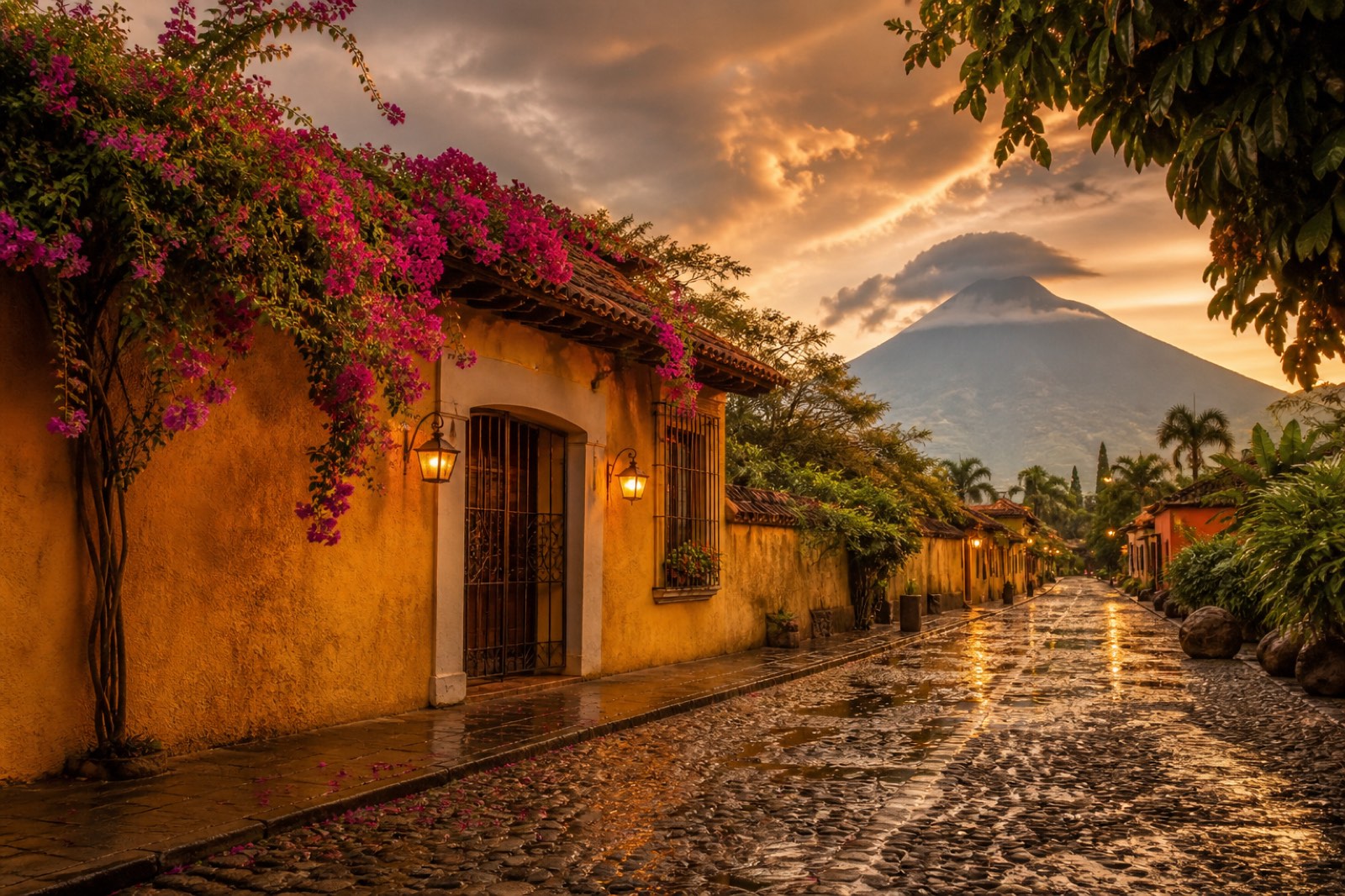
If you are considering a move to Antigua Guatemala, the late-year months from September through February offer the best possible introduction. The rainy season winds down, the city prepares for its most spectacular celebrations, and the highland climate settles into its most comfortable rhythm. For anyone evaluating real estate or planning a relocation, this is the season that sells itself.
Here is what you can expect living in Antigua Guatemala from fall through the start of the new year.
October: The Transition Month
October is Antigua Guatemala’s hidden gem. The daily afternoon rains that defined May through September become less frequent. By mid-month, you might go a week without seeing a drop. The hills surrounding the valley turn a deep, saturated green, and the air carries that fresh-washed smell that makes morning coffee on a rooftop terrace unforgettable.
For property buyers, October is the ideal month for house hunting. The light is soft and dramatic — perfect for seeing how a colonial home’s courtyard captures the afternoon sun. Gardens are at their most lush, giving you a true sense of a property’s year-round potential. And because October is still a shoulder season for tourism, you can schedule viewings without the weekend crowds that pack the historic center from November onward.
Temperatures hover between 16°C and 24°C (61°F to 75°F), making it pleasant to walk between properties. Bring a light jacket for evenings — the temperature drops noticeably after sunset.
What October means for property buyers: This is the last month before the high season price surge. Sellers who have been holding properties through the rainy season are often more motivated to negotiate. It is a strong month for making offers.
November: Clear Skies and Cultural Highlights
By November, the rainy season is firmly behind Antigua. You can expect clear blue skies most days, with the volcanoes — Agua, Acatenango, and Fuego — visible in full detail nearly every morning. This is the month when the city’s colonial architecture photographs best, and when rooftop terraces with volcano views become the most coveted amenity in town.
November also brings two major events:
Día de los Santos (All Saints’ Day) — November 1: Families visit cemeteries to honor loved ones. The traditional fiambre — a cold dish of meats, vegetables, cheeses, and pickled items — appears on every table. It is a quiet, respectful day that gives you a glimpse into Guatemalan family life.
Semilla Market Season: Every Saturday, the Semilla organic market near the former Santa Clara convent fills with local artisans, organic produce, and international food stalls. November through April is the peak season for Semilla, making it a highlight of any expat’s weekend.
For real estate, November marks the start of the high season. Rental demand spikes as holiday visitors and snowbirds arrive. If you are looking for a long-term rental, start your search in late October or early November before the inventory tightens. Short-term vacation rentals hit their highest occupancy rates of the year.
December: The City That Celebrates
December in Antigua Guatemala is nothing short of magical. The entire historic center transforms into a living nativity scene, with elaborate Christmas decorations spanning the cobblestone streets.
Highlights include:
-
La Muestra de los Nazarenos: Starting in late November and running through December, this free exhibit in the Casa de la Cultura showcases the hand-carved processional floats used during Lent. For anyone interested in Antigua’s religious art traditions, this is unmissable.
-
Christmas Eve (Nochebuena) — December 24: Families gather for late-night dinners, fireworks fill the sky, and the streets come alive with celebration. If you have recently purchased a colonial home with a rooftop terrace, this night alone justifies the investment — watching fireworks over the three volcanoes while the bells of La Merced ring is an experience no photograph can fully capture.
-
New Year’s Eve: Antigua rings in the new year with fireworks, live music in the central park, and a tradition of burning muñecos (large effigies) in the streets — symbolizing leaving the old behind.
Temperatures: December nights can drop to 12°C (54°F). If you are viewing properties, check for working fireplaces and adequate insulation — many colonial homes are designed for airflow, not heat retention. A property with a chimenea (fireplace) becomes significantly more appealing in December and January.
Real estate tip: December is a seller’s market for vacation properties. If you are selling, this is your month. If you are buying, focus on properties that have been on the market since summer — sellers may be willing to carry negotiations into January.
January: Settling In
January brings Antigua’s most comfortable weather of the year. Daytime highs reach a pleasant 22°C to 24°C (72°F to 75°F), nights are cool but not cold, and the sky is reliably clear. Tourist numbers remain high, but the energy is calm compared to December’s festivities.
For expats settling into long-term rentals or recently purchased homes, January is the month to:
-
Join the community. The expat social calendar picks up after the holidays. Weekly Spanish intercambios, wine tastings, and hiking groups fill up quickly. Facebook groups like “Expats in Antigua Guatemala” post regular event listings.
-
Explore your neighborhood. Walk every street within a 15-minute radius of your new home. Find the nearest tienda for essentials, the closest panadería for fresh bread, and the best pupusería within walking distance. These daily discoveries shape your experience more than any guidebook.
-
Understand the dry season. From January through April, Antigua receives almost no rain. Gardens need regular watering. Dust settles on outdoor furniture. But the trade-off is six months of uninterrupted good weather for rooftop entertaining, outdoor dining, and weekend excursions.
February: The Calm Before the Storm
February feels like the quiet before Antigua’s biggest annual event — Semana Santa (Holy Week), which usually falls in March or April. The city is still in full tourist season, but the pace is manageable.
This is an excellent month for property inspections. With dry ground and clear skies, you can assess roof conditions, drainage, and structural integrity more thoroughly than during the rainy season. February is also when pre-construction projects typically announce their new phases, offering early-buyer discounts.
Daytime temperatures are consistent with January, but evenings begin to warm slightly.
What This Means for Your Property Decision
The September through February window tells you everything you need to know about living in Antigua Guatemala. You experience the tail end of the rainy season, the transition into perfect dry-season weather, and the city at its most festive. You see colonial homes in both wet and dry conditions — which matters more than most buyers realize. A roof that leaks in October and a courtyard that floods in a heavy rain are problems you want to discover before you sign, not after.
If you are evaluating properties in Antigua, the best time to visit is any time. But September through February gives you the most complete picture of what year-round life actually looks like.
Ready to find your Antigua colonial home? Browse our current property listings or contact us for personalized guidance. We help buyers from initial visit through closing and beyond.
Interested in Antigua Real Estate?
Whether you're looking to buy, rent, or invest — I can help. Free consultation, no pressure.