First-Time Home Buyer's Guide for Antigua Guatemala
Buying your first home in Antigua Guatemala is an exciting step whether you are moving here full time, investing in a vacation property, or planning your retirement abroad. The process differs from what you might expect in the United States, Canada, or Europe, but with the right guidance it is straightforward and secure. This guide walks through everything a first-time buyer needs to know.
Why Buy in Antigua Guatemala
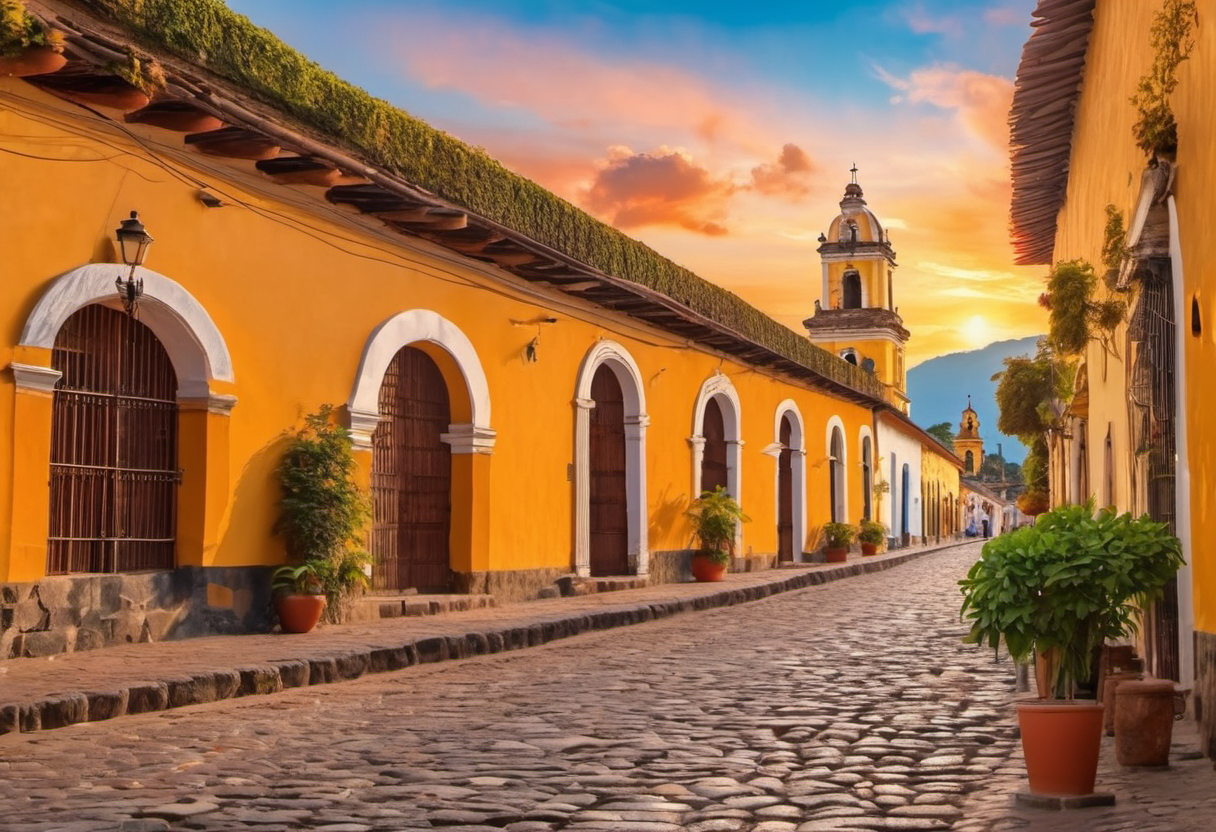
Antigua Guatemala offers something rare in real estate: a UNESCO World Heritage city with year-round spring climate, dramatic volcano views, and properties that start well under $200,000. For comparison, a colonial home in a prime location costs a fraction of what you would pay for a comparable property in San Miguel de Allende, Mexico, or Granada, Nicaragua.
The city’s expat community has grown steadily over the past decade, and the infrastructure reflects this. You will find reliable internet, international-standard healthcare, direct flights to major US cities from nearby Guatemala City, and a thriving restaurant and cultural scene. Property values have appreciated consistently, making Antigua one of Central America’s strongest real estate markets for foreign buyers.
The Buying Process Step by Step
1. Define Your Criteria
Before you start searching, know what you are looking for. Consider these factors:
Location: Each neighborhood in Antigua has a different character. The historic center offers colonial charm and walkability but comes with noise from tourism. El Hato on the mountainside provides quiet, privacy, and volcano views. Ciudad Vieja and San Pedro Las Huertas offer more space and lower prices while still being minutes from town. Jocotenango and San Juan del Obispo give you a village feel with easy access to Antigua’s amenities.
Property type: Colonial homes require restoration and maintenance. Modern condos and townhomes in gated communities need less upkeep. Land lots let you build exactly what you want but require patience through the construction process.
Budget: Consider not just the purchase price but also closing costs (approximately 6-8 percent of the purchase price), notary fees, registry costs, and ongoing property taxes, which are very low by US standards.
2. Hire a Local Real Estate Agent
Working with a trusted local agent is essential. Guatemala’s real estate market does not use a Multiple Listing Service (MLS) like in the US. Most properties are sold through word of mouth, local agents, and Facebook Marketplace. An experienced agent like Luna Jerney at Antigua Real Estate Development knows the inventory, the neighborhoods, and the legal requirements for foreign buyers.
Your agent handles property searches, schedules viewings, negotiates prices, and coordinates with the notary who handles the legal paperwork. A good agent also prevents common pitfalls like disputed boundaries, unclear title histories, or properties with outstanding liens.
3. Make an Offer and Negotiate
Once you find a property, your agent presents a written offer to the seller. Negotiation is common in Guatemala and generally handled respectfully. Expect some back and forth on price, especially for fixer-uppers or properties that have been on the market for a while. Pre-construction properties like Los Apostoles often have fixed pricing with phased payment plans.
4. Due Diligence and Legal Review
This is the most important step. Before signing anything, your notary (the escribano — a specialized lawyer-notary role unique to Guatemala) conducts a title search at the National Property Registry (Registro de la Propiedad). This confirms the seller owns the property free and clear with no liens, encumbrances, or boundary disputes.
The due diligence process takes two to four weeks and covers:
- Title history and chain of ownership
- Outstanding mortgages or liens
- Property tax payment status
- Municipal permits and zoning compliance
- Boundary survey verification
Never skip this step. Guatemala does not have title insurance like the US, so your protections come from thorough legal review by a qualified notary.
5. Sign the Purchase Agreement
Once due diligence clears, you sign the compraventa (purchase agreement) before the notary. This document is legally binding and registered with the Property Registry. The notary prepares the deed (escritura pública), handles the tax payments, and ensures the transfer is properly recorded.
6. Transfer Funds and Close
Funds are transferred through a Guatemalan bank account or via a secure escrow arrangement managed by the notary. International wire transfers typically take three to five business days. Once the payment clears and the deed is registered in your name, you receive the keys.
Total timeline from offer to keys: approximately 45 to 90 days, depending on financing, due diligence speed, and the complexity of the transaction.
Costs of Buying
Here is what to budget beyond the purchase price:
| Cost Item | Typical Amount |
|---|---|
| Notary fees and legal review | 2-3% of purchase price |
| Property transfer tax (ISR) | Approximately 3% |
| Registry fees | 0.5-1% of purchase price |
| Municipal permits | $200-$500 |
| Total closing costs | 6-8% of purchase price |
Property taxes in Guatemala are remarkably low: approximately 0.2 to 0.5 percent of the registered value per year. For a $300,000 home, you would pay around $600 to $1,500 annually.
Financing for Foreigners
Foreign buyers can obtain mortgages from Guatemalan banks, but the requirements are strict. Typically you need a 30 to 50 percent down payment, proof of foreign income, and a Guatemalan bank account with a minimum balance. The mortgage process takes 60 to 90 days and requires the same due diligence steps as a cash purchase.
Many first-time buyers choose to pay cash or combine cash with financing from their home country. If you have equity in a property in the US or Canada, a home equity line of credit (HELOC) is a common strategy for funding a Guatemala purchase.
For pre-construction properties, phased payment plans spread the cost across the construction period. For example, you might pay 30 percent upfront, 30 percent at the halfway point, and 40 percent at delivery. This reduces the financing burden significantly.
Common Pitfalls to Avoid
Skipping due diligence. The biggest mistake first-time buyers make is trusting a seller’s word without verifying the title. Always use your own notary, not the seller’s.
Ignoring zoning restrictions. Colonial properties may have strict renovation rules from the municipal heritage office. Check what you can and cannot modify before buying a fixer-upper.
Underestimating renovation costs. Colonial restoration in Antigua typically costs $150 to $300 per square meter, depending on the level of finish. Get contractor quotes before committing to a restoration project.
Not visiting in person. Photos can be misleading. Spend a week in Antigua, walk the neighborhoods, and visit properties at different times of day. What seems like a quiet street at noon might be a lively party zone at midnight.
Forgetting about ongoing costs. Property management, maintenance, gardening, and utilities add up. Budget 10 to 15 percent of the property value annually for carrying costs.
Is Antigua Right for You
Antigua Guatemala is ideal for buyers who want a walkable, culturally rich city with strong expat community, excellent climate, and affordable real estate. It is less suited for buyers seeking a beachfront lifestyle, large modern homes with big yards, or properties with immediate high rental yields.
The best approach is to visit, connect with a local agent, and explore the neighborhoods firsthand. Antigua has a way of surprising you: the right property often finds you before you find it.
Ready to start your search? Luna Jerney at Antigua Real Estate Development has helped dozens of first-time buyers navigate the process. Contact her today to discuss your budget, timeline, and ideal neighborhood. She will guide you through every step from first viewing to final deed.