
Grocery Shopping in Antigua Guatemala: Where Expats Buy Food
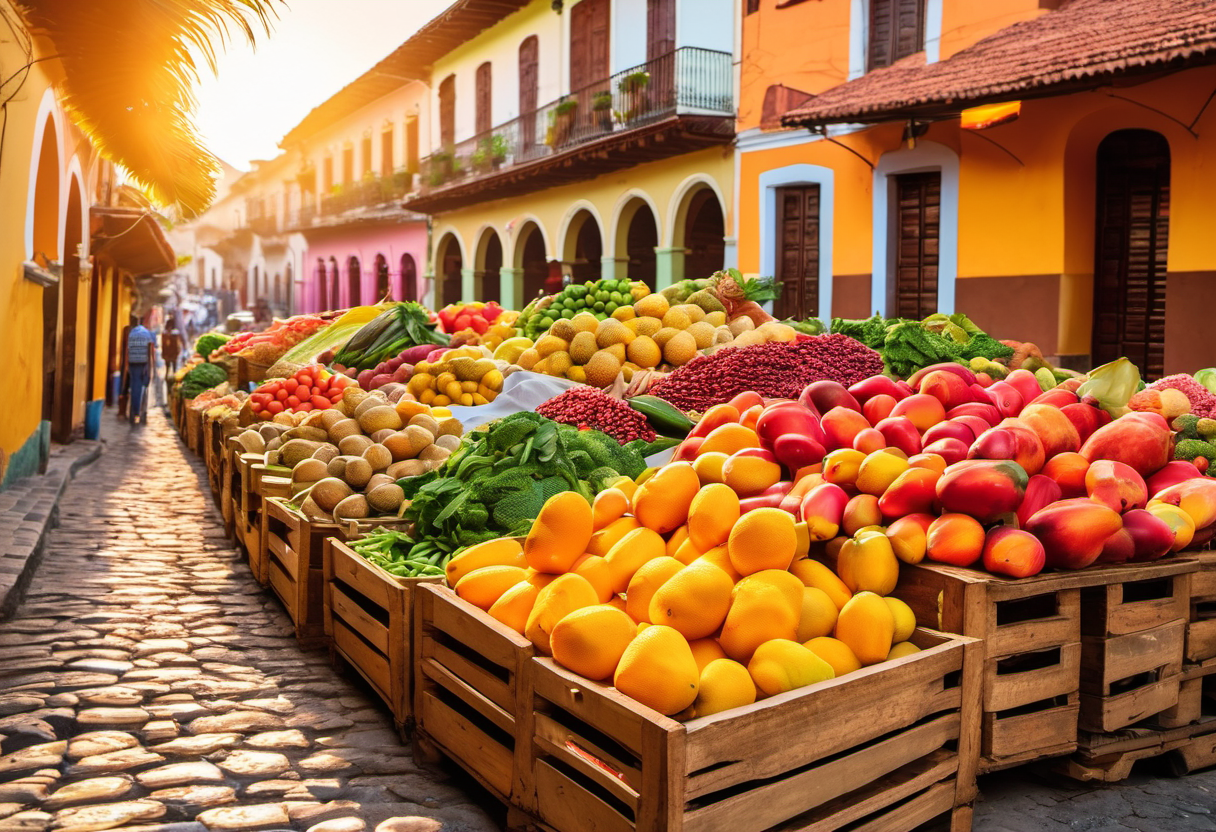
One of the first questions expats ask after settling in Antigua Guatemala is deceptively simple: where do I buy groceries? The answer is more exciting than you might expect. Antigua offers everything from bustling open-air markets overflowing with tropical produce to air-conditioned supermarkets stocking imported favorites. Once you know where to go, grocery shopping here becomes one of the small pleasures of daily life.
The Local Markets: Fresh, Affordable, and Vibrant
The beating heart of grocery shopping in Antigua is the Mercado Municipal, the main municipal market located just a few blocks from the central plaza. Walking through its narrow aisles is a sensory experience: mountains of avocados, pyramids of limes, piles of cilantro and epazote, and vendors calling out prices in cheerful Spanish.
Here you will find the freshest produce at the lowest prices. A large bag of vegetables that might cost Q50 at a supermarket often costs Q15 to Q25 at the market. Tropical fruits like mangoes, papayas, guayabas, and marañón (cashew fruit) are abundant and incredibly cheap when in season.
What to buy at the market:
- Fresh fruits and vegetables (buy what is in season for the best prices and flavor)
- Herbs and spices (cilantro, epazote, dried chiles, achiote)
- Fresh cheese (queso fresco, queso de capas)
- Eggs (sold by the flat, much cheaper than supermarkets)
- Corn tortillas (made fresh daily)
- Dried goods like beans, rice, and corn masa
Tips for market shopping:
- Go early in the morning for the best selection. Vendors restock daily and the freshest items sell out by midday.
- Bring your own reusable bags. Plastic bags are increasingly rare.
- Prices are not always marked. Ask “¿A cómo es?” (How much is it?) and feel free to compare vendors before buying.
- Cash only. Bring small bills and coins. A Q100 note for a Q10 purchase can cause a headache for vendors who may not have change.
Supermarkets: Convenience and Imported Goods
For pantry staples, imported products, and one-stop convenience, Antigua has several well-stocked supermarkets.
La Bodegona is the most popular supermarket in town, located on the eastern side of the city center. It carries a wide range of local and imported goods: dairy, meats, canned goods, cleaning supplies, and a modest selection of international products. Prices are moderate, and it is the go-to for weekly stock-up runs.
Despensa Familiar and Econo Super are smaller chain stores scattered around Antigua. They are convenient for quick stops and carry the essentials. Prices tend to be slightly higher than La Bodegona for comparable items.
Prices Mart (formerly known as Paiz) in nearby Ciudad Vieja is worth the short drive for a larger selection, especially if you are looking for imported cheeses, wines, specialty items, or bulk purchases. It feels closer to a North American or European supermarket experience.
What to buy at supermarkets:
- Dairy products (milk, yogurt, cream cheese, imported cheeses)
- Meats and deli items (though the market also has excellent fresh meat)
- Cleaning and household supplies
- Imported snacks, sauces, and condiments
- Wine and spirits (better selection than the market)
- Baking supplies and specialty ingredients
Specialty and Niche Shopping
Beyond the markets and supermarkets, Antigua has a growing number of specialty shops that cater to expats and foodies.
Organic and health food: Several small shops and weekly farmers’ markets offer organic produce, artisanal bread, kombucha, and natural products. Check the Saturday farmers’ market near the central plaza for locally grown organic vegetables, homemade granola, and fresh-baked sourdough.
Bakeries: Panaderías are everywhere in Antigua, and the bread is excellent. For European-style pastries and bread, look for artisanal bakeries that have popped up in recent years. A fresh baguette or croissant with Guatemalan coffee is a perfect morning ritual.
Butcher shops (carnicerías): For higher-quality cuts of meat, seek out a local carnicería. They offer fresher selections than supermarket pre-packaged meats and the butchers are happy to cut to your specifications.
Coffee: You are living in one of the world’s premier coffee-growing regions. Skip the supermarket brands and buy directly from local roasters or the coffee farms in the surrounding hillsides. Freshly roasted single-origin Guatemalan coffee is a fraction of what you would pay back home and dramatically better.
Costco Runs: The Guatemala City Option
Many expats make periodic trips to PriceSmart (Central America’s version of Costco) in Guatemala City, about 45 minutes to an hour from Antigua. Memberships are affordable, and the savings on bulk items like paper goods, cleaning supplies, frozen foods, imported cheeses, and wine make the drive worthwhile. Some expats go monthly, loading up on non-perishables and freezer items.
Pro tip: Combine your PriceSmart run with other Guatemala City errands like visiting the airport, embassy appointments, or dining at restaurants you cannot find in Antigua.
Budgeting: What Does Groceries Cost?
One of the biggest adjustments for expats is how affordable grocery shopping in Antigua can be, especially when you buy local. A couple cooking at home most nights can expect to spend between Q3,000 and Q5,000 per month (roughly $390 to $650 USD) on groceries, depending on how much imported food they buy.
Buying exclusively from the market and local brands can bring that number down significantly. If you prefer imported goods and specialty items from the supermarket, expect to spend closer to the higher end. The key is finding your balance between local and imported.
Adapting Your Cooking
Grocery shopping in Antigua also means adapting some of your cooking habits. Certain ingredients you take for granted back home may be hard to find or expensive here. Conversely, you will discover ingredients you never knew existed: different varieties of beans, exotic tropical fruits, fresh herbs that grow wild, and chocolate made from local cacao.
Many expats find that their cooking improves dramatically after moving to Antigua. The produce is fresher, the ingredients are more flavorful, and the local food culture encourages creativity. A simple meal of handmade tortillas, black beans, fresh salsa, and farm eggs tastes better here than anything you could assemble in a supermarket aisle back home.
The Social Side of Shopping
One thing that surprises many newcomers is how social grocery shopping is in Antigua. Market vendors remember regulars, greet you by name, and set aside their best produce for loyal customers. Building relationships with your favorite vendors is not just pleasant, it is practical. You get better prices, fresher picks, and occasionally a bonus mango or handful of herbs tossed into your bag as a gift.
This kind of personal connection is part of what makes daily life in Antigua so rewarding. Grocery shopping is not a chore here, it is a chance to practice your Spanish, learn about new ingredients, and feel part of the community.
Ready to make Antigua your home? Contact Luna Jerney at Antigua Real Estate Development to find the perfect property in this vibrant, welcoming city.