
Guatemala Banking for Expats: A Complete 2026 Guide
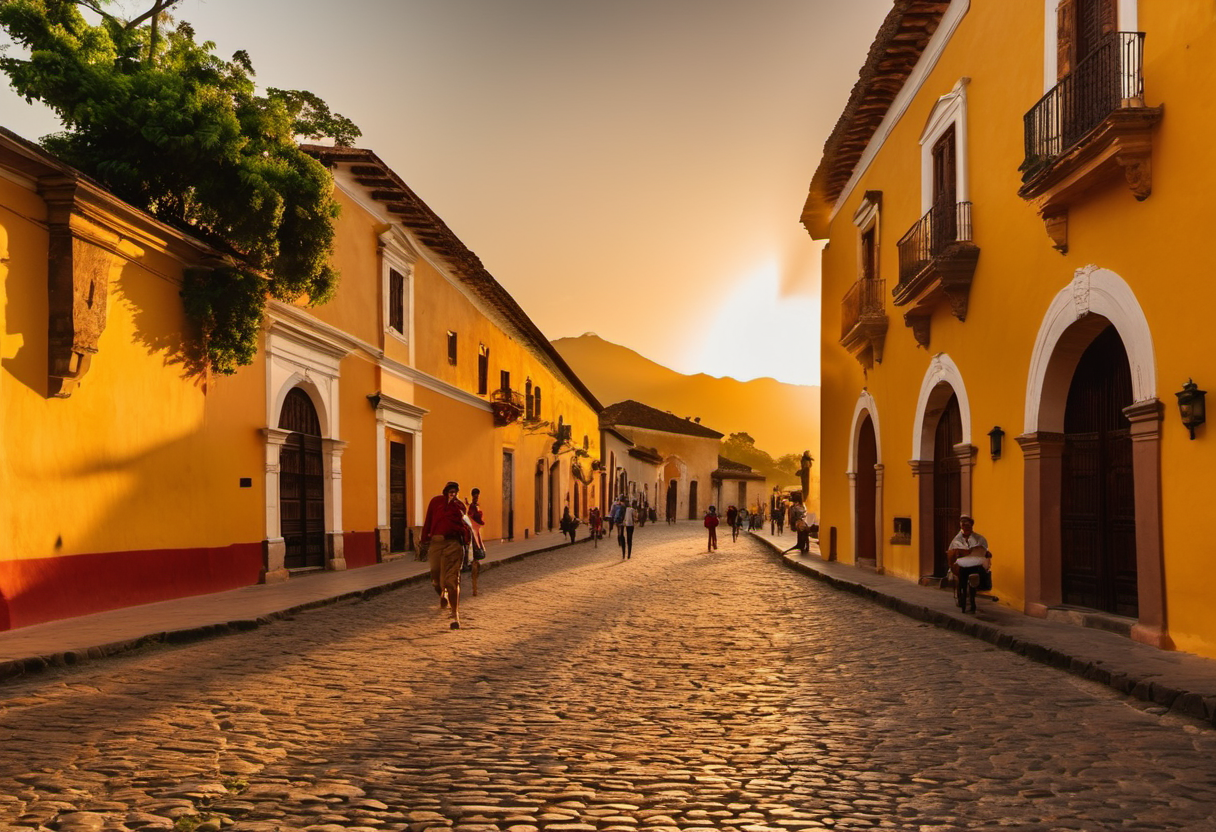
Moving to Antigua Guatemala means embracing cobblestone streets, volcano views, and a dramatically lower cost of living. But before you settle into your new colonial home, you need to figure out one critical piece of the puzzle: how to manage your money. Guatemala’s banking system works differently from what most expats are used to, and understanding it early saves headaches later.
Can Foreigners Open a Bank Account in Guatemala?
Yes — foreigners can open bank accounts in Guatemala, but it requires patience and the right documents. Unlike some countries where you walk in with a passport and walk out with an account, Guatemalan banks have stricter requirements due to international anti-money-laundering regulations.
Most banks require:
- Valid passport with at least six months remaining
- Proof of income — recent pay stubs, tax returns, or pension statements
- A local reference — this is the tricky part. Some banks want a Guatemalan citizen or permanent resident to vouch for you
- Proof of address — a utility bill or rental contract in your name
- Minimum deposit — varies by bank, typically Q1,000–Q5,000 ($130–$650 USD)
The process usually takes one to three weeks, not the same-day experience you might expect. Banks like Banrural, BAC Credomatic, and G&T Continental tend to be more foreigner-friendly than others.
Best Banks for Expats in Antigua Guatemala
BAC Credomatic
BAC is the most popular choice among expats in Antigua Guatemala. They offer English-language support at some branches, a reliable mobile app, and accept foreign income documentation. Their ATM network is solid throughout the country, and they handle USD-to-quetzal conversions smoothly.
Banrural
Banrural has the widest branch network in Guatemala, including locations in smaller towns around Antigua like Jocotenango and San Miguel Dueñas. They’re known for lower fees and a more relaxed approach to foreign applicants, though their English support is limited.
G&T Continental
G&T Continental offers premium accounts with higher interest rates. Their Antigua branch on 4a Avenida Sur is convenient for residents in the city center. They require a slightly higher minimum balance but provide excellent online banking tools.
International Options Worth Considering
Many long-term expats in Antigua maintain a combination: a US bank account (Charles Schwab, Wise, or Revolut for fee-free international ATM withdrawals) paired with a local Guatemalan account for day-to-day expenses like paying utilities, rent to local landlords, and neighborhood tienda purchases.
Wiring Money to Guatemala
International wire transfers remain the most common way expats move larger sums into the country. Here’s what you need to know:
Transfer times: International wires typically take 2–5 business days to arrive in your Guatemalan account. Some banks offer “express” options for a higher fee.
Fees to expect:
- Sending bank: $25–$50 USD per transfer
- Receiving bank: Q50–Q150 ($7–$20 USD) per incoming wire
- Exchange rate markup: 1–3% above mid-market rate
SWIFT codes for major banks:
- BAC Credomatic: BACCGTGC
- Banrural: BJUIGTGC
- G&T Continental: GTCOGTGC
Pro tip: For regular transfers under $5,000, services like Wise (formerly TransferWise) often beat traditional bank wires on both speed and fees. You’ll get closer to the mid-market exchange rate, and funds typically arrive within 1–2 business days.
Cash vs. Card: What Actually Works in Antigua
This is where expats have the biggest adjustment. Guatemala is still heavily cash-based, especially outside Guatemala City.
Where cards work: Supermarkets (La Torre, Walmart), upscale restaurants, hotels, and larger shops in Antigua accept credit and debit cards. Visa is more widely accepted than Mastercard.
Where you need cash: Local markets (mercados), street food vendors, tuk-tuks, smaller tiendas, most services like plumbers and electricians, and many local landlords who prefer cash rent payments.
ATM strategy: Withdraw quetzales from ATMs in denominations of Q100 or Q200. Having small bills (Q20, Q50) is essential — breaking a Q200 note at a small shop can be surprisingly difficult. Banrural and BAC ATMs in Antigua’s central park area are the most reliable.
Daily withdrawal limits: Most Guatemalan bank accounts cap daily ATM withdrawals at Q5,000–Q10,000 ($650–$1,300 USD). If you need more, you’ll have to visit a branch in person.
Understanding the Quetzal and Exchange Rates
The Guatemalan quetzal (GTQ) has been relatively stable against the US dollar in recent years. As of mid-2026, the rate hovers around Q7.63 per $1 USD.
Where to exchange money:
- Banks — safest, but not always the best rates
- Casas de cambio (exchange houses) — competitive rates in Antigua’s center, but compare a few before committing
- ATMs — your bank’s rate is usually reasonable, though it includes their markup
What to avoid: Airport exchange counters (terrible rates), street money changers (risk of counterfeit bills), and exchanging large amounts all at once if you don’t need to — the rate can shift.
Tax Obligations for Expats in Guatemala
Guatemala taxes income earned within the country, but most expats living on foreign pensions, remote work income, or investments from back home won’t owe Guatemalan taxes on that money. The key distinction:
- Guatemala-sourced income (rental income from a Guatemalan property, local business profits): taxed at a flat 7% for individuals, or corporate rates for businesses
- Foreign-sourced income (US Social Security, pension, remote work for a US company): generally not taxed by Guatemala
This is one of the major financial advantages of living in Antigua. Combined with the low cost of living, retirees on fixed incomes find their money goes significantly further here.
Important: Always consult a tax professional familiar with both Guatemalan and your home country’s tax laws. US citizens, for example, still need to file US taxes regardless of where they live, though the Foreign Earned Income Exclusion and tax treaties may reduce what you owe.
Practical Money Tips for Daily Life in Antigua
Paying Utilities
Electricity (EEGSA), water (EMPAGUA), and internet bills can be paid at Banrural branches, BAC ATMs, or through mobile banking apps. Many expats set up automatic payments to avoid late fees, which are modest but annoying.
Rent Payments
Local landlords typically prefer cash or bank transfers. If you’re renting through a property management company like Antigua Real Estate Development, they can facilitate structured payment arrangements. Always get receipts, even for cash payments.
Groceries and Daily Expenses
Budget Q5,000–Q8,000 ($650–$1,050 USD) per month for a couple eating a mix of local and imported foods. Shopping at the local mercado for produce and the supermarket for imported goods is the sweet spot most expats land on.
Emergency Funds
Keep at least one foreign bank account active with enough for a return flight and a few months of expenses. Having a Wise or Revolut account as a backup means you’re never locked out of your money, even if there’s a temporary issue with your local account.
Setting Up Mobile Payments
Guatemala is slowly adopting mobile payment platforms. Tigo Money and Mi Cash are the most popular, allowing you to pay bills, transfer money to other users, and even buy from some merchants using your phone. They’re linked to your phone number rather than a bank account, making them accessible even before your bank account is fully set up.
Most expats find that within the first few months, they develop a rhythm: foreign bank or Wise for receiving income, local bank for daily expenses, and cash for everything the formal economy doesn’t quite reach yet.
Getting Help With Your Finances in Antigua
Navigating a new banking system is one of the many practical challenges of relocating to Antigua Guatemala. At Antigua Real Estate Development, Luna Jerney and her team help expats not only find their dream colonial home or investment property but also connect them with trusted local contacts — from bilingual accountants to bank branch managers who understand expat needs.
Whether you’re eyeing a restored colonial in the city center, a volcano-view lot in San Mateo Milpas Altas, or a furnished rental while you get settled, having local guidance makes all the difference.
Ready to start your Antigua Guatemala journey? Contact Luna Jerney to discuss your property goals and get connected with the right financial and legal professionals in the area.
Interested in Antigua Real Estate?
Whether you're looking to buy, rent, or invest — I can help. Free consultation, no pressure.