
Hiring Domestic Help in Antigua Guatemala: An Expat Guide
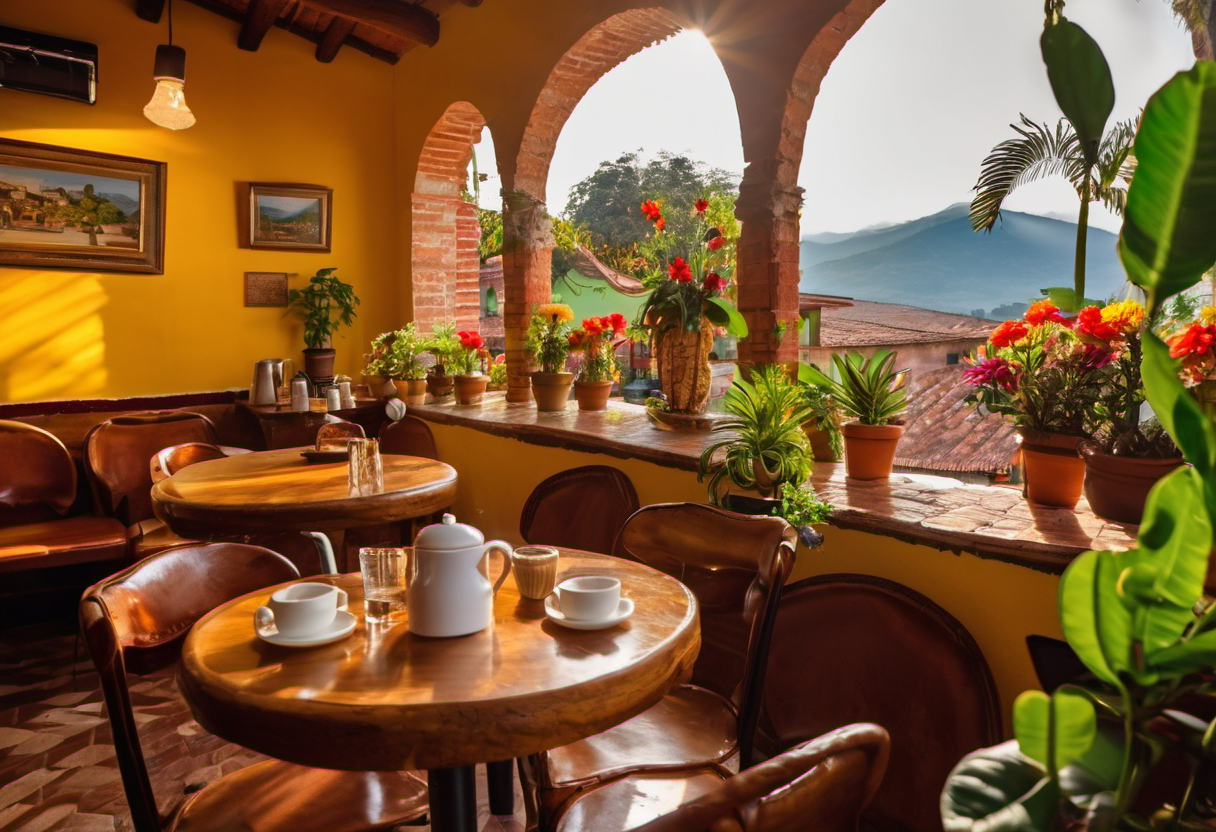
One of the biggest lifestyle upgrades expats discover after moving to Antigua Guatemala is how accessible and affordable domestic help becomes. Whether you need someone to clean your colonial home a few times a week, cook traditional meals, tend a garden, or help with childcare, hiring household staff is both common and culturally accepted across Guatemala.
This guide walks you through the practical realities of hiring domestic help in Antigua, from finding trustworthy employees to understanding labor laws and setting fair wages.
Why Domestic Help Is So Common in Antigua Guatemala
Unlike in North America or Europe, hiring household staff in Guatemala is not a luxury reserved for the wealthy. Middle-class Guatemalan families regularly employ domestic workers, and the practice is deeply woven into the local economy. Many families in Antigua and surrounding communities depend on this work as their primary income.
For expats, the value proposition is straightforward. The cost of employing a housekeeper or cook in Antigua is a fraction of what you would pay back home. More importantly, it frees up your time to enjoy the lifestyle that brought you here in the first place: exploring cobblestone streets, hiking volcanoes, and soaking in the local culture.
What Domestic Help Costs in Antigua Guatemala
Salaries vary depending on the role, hours, and whether the employee lives in your home or commutes daily. Here is a general breakdown for the Antigua area as of 2026:
- Housekeeper (part-time, 3-4 days per week): Q2,000 to Q3,500 per month ($260 to $460 USD)
- Housekeeper (full-time, live-out): Q3,500 to Q5,000 per month ($460 to $655 USD)
- Live-in housekeeper: Q4,000 to Q6,000 per month ($525 to $785 USD), plus room and board
- Cook: Q3,000 to Q5,000 per month ($390 to $655 USD) depending on hours and skill level
- Gardener (weekly visits): Q200 to Q400 per visit ($26 to $52 USD)
- Nanny or childcare provider: Q3,500 to Q6,000 per month ($460 to $785 USD)
These are general ranges. Salaries tend to be slightly higher in Antigua proper compared to surrounding towns like Jocotenango or Ciudad Vieja, reflecting the higher cost of living in the city center.
How to Find Reliable Domestic Help
Word of mouth remains the most trusted method for finding household employees in Antigua. Here are the main channels:
Ask your neighbors and local contacts. If you live in a gated community or a neighborhood like Barrios Coloniales, other expats and Guatemalan neighbors are usually happy to recommend someone. Personal referrals carry enormous weight in Guatemala’s tight-knit communities.
Check with local real estate agents. Agents like Luna Jerney at Antigua Real Estate Development often connect new arrivals with trusted household staff as part of the relocation experience. After helping dozens of families settle in Antigua, Luna maintains a network of vetted recommendations.
Community Facebook groups. The “Expats in Antigua Guatemala” and “Antigua Guatemala Buy/Sell” groups on Facebook regularly feature recommendations and availability posts. Search for “empleada doméstica” or “housekeeper” in these groups.
Local employment agencies. Several agencies in Guatemala City and Antigua specialize in placing domestic workers. They handle background checks and can provide candidates with verified references.
Churches and community organizations. Local churches often know families looking for work and can facilitate introductions in a trusted environment.
Guatemalan Labor Laws for Domestic Workers
Guatemala’s labor code (Código de Trabajo) includes specific protections for domestic workers. Understanding these rules helps you build a fair and legally compliant employment relationship.
Minimum wage. Guatemala sets a minimum wage that applies to domestic workers. As of 2026, the minimum monthly salary for the service sector is approximately Q3,800 ($500 USD), though many employers in Antigua pay above this to attract and retain good staff.
Social security (IGSS). If your employee works more than the equivalent of four hours per day consistently, you are technically required to register them with the Instituto Guatemalteco de Seguridad Social (IGSS). This provides healthcare and pension benefits. The employer contribution is roughly 12.67% of salary, and the employee contributes 4.83%.
Paid vacation. After one year of employment, domestic workers are entitled to 15 working days of paid vacation.
Christmas bonus (Aguinaldo). Legally, employees must receive a Christmas bonus equal to one month’s salary, paid in December. This is a serious cultural expectation, not optional.
Severance. If you terminate an employee without cause, Guatemalan law requires severance pay proportional to years of service.
Many expats choose to pay above minimum wage and offer additional benefits like paid sick days, a food allowance, or transportation costs. This is not just generosity. It builds loyalty and dramatically reduces turnover, which is a real concern when you find someone you trust with your home.
Building a Respectful Working Relationship
The employer-employee dynamic with domestic staff in Guatemala works best when built on mutual respect and clear communication.
Set expectations early. Write down the tasks, schedule, and compensation in a simple agreement. Even an informal letter signed by both parties helps prevent misunderstandings.
Pay on time, every time. This sounds obvious, but late payments are a common complaint among domestic workers across Guatemala. Set a consistent payday and stick to it.
Provide meals during work hours. If your employee works a full day, offering lunch is standard practice and expected. Many employers also send home food or groceries as a goodwill gesture.
Respect their time off. Domestic workers typically have one day off per week, usually Sunday. Avoid asking them to work on their rest day unless absolutely necessary, and pay extra when you do.
Communicate in Spanish. Even if your Spanish is basic, making the effort matters enormously. Many domestic workers speak Spanish as their first language, with some speaking Kaqchikel or another Mayan language at home. Basic Spanish goes a long way toward building trust.
Live-In vs. Live-Out: Which Is Right for You?
Live-in staff are common in larger properties and families with young children. The arrangement typically includes a private room and bathroom, meals, and a slightly lower cash salary since room and board are part of the compensation. Live-in staff offer convenience and security, especially for absentee property owners who need someone to watch the house.
Live-out staff commute daily and are better suited for smaller households or expats who value privacy. The salary is higher since the employee covers their own housing and meals. Part-time live-out arrangements (3-4 days per week) are the most popular option among expat couples without children.
Tips from Long-Term Expats
After speaking with dozens of expats who have lived in Antigua for years, a few consistent themes emerge:
- Trial periods work. Start with a two-week trial before committing long-term. Both sides get a chance to evaluate the fit.
- Background checks matter. Ask for references from previous employers and actually call them. The expat community in Antigua is small enough that honest feedback travels fast.
- Invest in the relationship. A small birthday gift, helping with a medical expense, or supporting their children’s school supplies creates loyalty that no contract can buy.
- Expect some turnover. Even with the best relationship, domestic workers sometimes leave for higher-paying opportunities in Guatemala City or to care for family. Having a backup plan reduces the stress.
Getting Settled in Antigua Guatemala
Finding reliable household staff is one of many practical details that make daily life in Antigua comfortable and enjoyable. Whether you are relocating full-time, buying a vacation property, or investing in a rental, having local support transforms your experience.
Luna Jerney at Antigua Real Estate Development has helped countless families navigate every aspect of settling in Antigua, from finding the perfect colonial home to connecting with trusted household staff. Her deep local knowledge and genuine care for her clients make the transition seamless.
Ready to make Antigua Guatemala your home? Contact Luna Jerney to explore properties and get personalized relocation guidance.