Home Inspection in Antigua Guatemala: What to Expect
Home Inspection in Antigua Guatemala: What to Expect
A professional home inspection in Antigua Guatemala costs between $150 and $450 and takes three to four hours on site. The inspector delivers a written report within 48 hours, and you can renegotiate the price or walk away based on what it finds. Any buyer of a colonial home or a village property should order one before signing the final deed.
Antigua’s housing stock is old, and old houses hide problems a weekend viewing never shows. Cracked roof tiles, termite damage in wooden beams, undersized electrical service, and failing cisterns are routine findings. This guide explains what a professional inspection covers, what it costs, how to hire an inspector, and the problems that matter most in this market.
What does a professional home inspection cover?
A professional inspection is a systematic, non-invasive survey of the building’s major systems. The inspector walks the property, tests what can be tested, and photographs every defect.
A standard inspection in Antigua covers:
- Structure and walls: foundation, load-bearing walls, adobe or bahareque sections, cracks, and settlement.
- Roof: terracotta tile condition, broken or slipped tiles, wooden beams and rafters, and water infiltration.
- Water and plumbing: cisterns, tinacos, pressure pumps, pipes, drainage, and the septic or sewer connection.
- Electrical: service capacity, breaker panel, wiring age, grounding, and code issues.
- Moisture and drainage: damp walls, mold, roof runoff, and how water moves across the lot during heavy rain.
- Doors, windows, and finishes: wooden frames, ironwork, flooring, and plaster.
The inspector does not open walls or dig up floors. The inspection is visual and non-invasive, so it reports what is accessible, not what is sealed behind plaster.
How much does a home inspection cost in Antigua Guatemala?
Most inspectors price by the size and age of the house. The table below reflects typical 2026 rates for the Antigua area.
| Property type | Typical cost (USD) | Time on site |
|---|---|---|
| Apartment or condo, under 100 m² | $150 to $250 | 2 to 3 hours |
| Townhouse or village home, 100 to 200 m² | $250 to $350 | 3 to 4 hours |
| Large colonial home or estate, 200 m²+ | $350 to $450 | 4 to 6 hours |
| Pre-purchase plus specialist roof or structural report | $450 to $700 | Add 1 to 2 days |
Prices vary by inspector, property condition, and how far the property sits from Antigua. A home in a ring village may carry a travel fee. Always confirm the price, the scope, and the report format in writing before the visit.
Why do colonial homes need a specialized inspection?
Antigua’s historic homes were built with materials that behave differently from modern construction, so an inspector with colonial experience matters more here than almost anywhere.
Key issues to flag:
- Adobe and bahareque walls crack and erode when water reaches them, and repairs must match the original material.
- Wooden beams and columns attract termites, especially where they meet damp walls or soil.
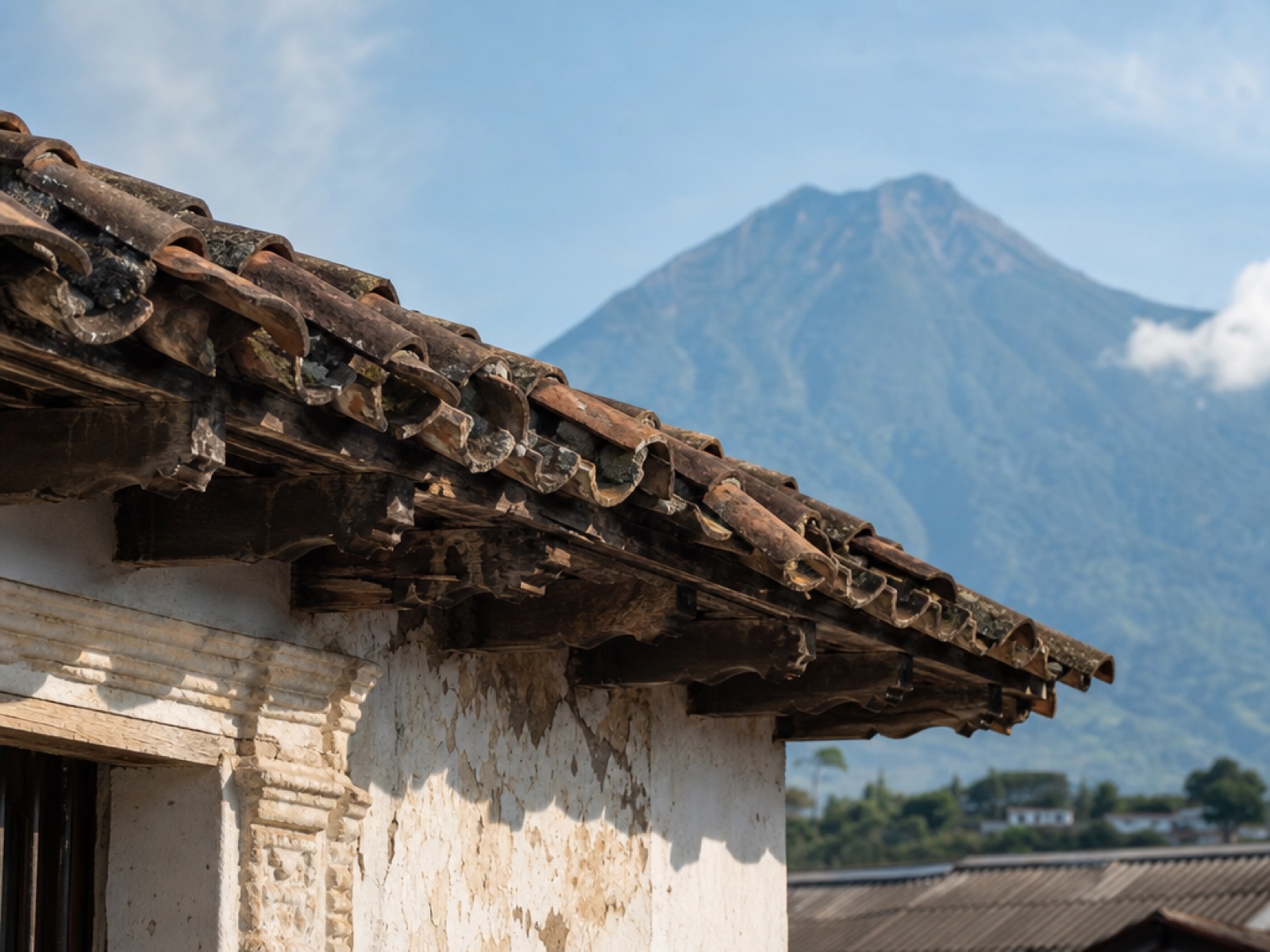
- Terracotta roofs look charming but shed tiles in storms and leak at the valleys.
- Older electrical systems were never designed for modern loads and often lack proper grounding.
- Cisterns and tinacos may be cracked, leaking, or undersized for a family.
A generalist inspector who mostly handles new apartments will miss some of this. Ask directly whether the inspector has worked on colonial and heritage-zone properties before you book.
How do you hire a home inspector in Antigua Guatemala?
Start with a referral from your real estate agent or your attorney, then verify the inspector independently.
- Ask for the inspector’s credentials and how many colonial homes they have inspected.
- Confirm the inspector works for you, not the seller or the agency. Independence matters.
- Request a sample report so you know what you will receive.
- Check that the fee, scope, and delivery time are in writing.
- Avoid an inspector recommended by the seller without a second opinion.
In a market where word of mouth drives everything, a trusted agent’s shortlist is usually the fastest route to a competent inspector. If you are buying through Antigua Real Estate Development, your agent can connect you with inspectors who regularly work on colonial homes.
When should you schedule the inspection?
Schedule the inspection during the due diligence window, after your offer is accepted and before you sign the final deed (escritura pública).
The sequence looks like this:
- Offer accepted and preliminary agreement signed.
- Inspection ordered within the first week.
- Report delivered and reviewed with your attorney.
- Repairs negotiated or price adjusted.
- Final deed signed and registered.
Leaving the inspection until the last days before closing removes your leverage. The earlier you know what is wrong, the more room you have to renegotiate or exit.
What does a home inspection NOT cover?
A home inspection is not a title search, an appraisal, or a guarantee.
- Legal title and ownership are checked separately by your attorney through the Property Registry.
- Value and pricing come from a separate appraisal.
- Hidden defects behind walls, under floors, or inside sealed systems may go undetected.
- Cosmetic issues such as paint, decor, and landscaping are noted but not prioritized.
- Pests may need a dedicated pest inspection, since termites and rodents are common in older homes.
Treat the inspection as one part of a broader due diligence process that includes a title search and a legal review.
What should you do with the inspection report?
Use the report as a negotiation tool, not just a document to file away.
- For major defects such as a failing roof or structural cracks, ask the seller to repair or reduce the price.
- For moderate issues, request a credit toward the repair cost.
- For minor cosmetic items, decide whether they are worth the friction.
- If the report reveals problems the seller hid or refused to address, you can walk away.
In the Antigua market, serious defects are usually negotiable. Sellers expect a professional inspection and most will adjust the price rather than lose a qualified buyer.
Ready to inspect before you buy?
A few hundred dollars on an inspection protects a purchase worth many times that amount. Antigua’s colonial homes reward buyers who look closely, and a professional report turns guesswork into a clear decision.
If you are preparing to buy in Antigua Guatemala, talk to our team about scheduling an inspection and reviewing the findings before you commit.
Interested in Antigua Real Estate?
Whether you're looking to buy, rent, or invest. I can help. Free consultation, no pressure.