
Buying Property in Antigua Guatemala from Mexico
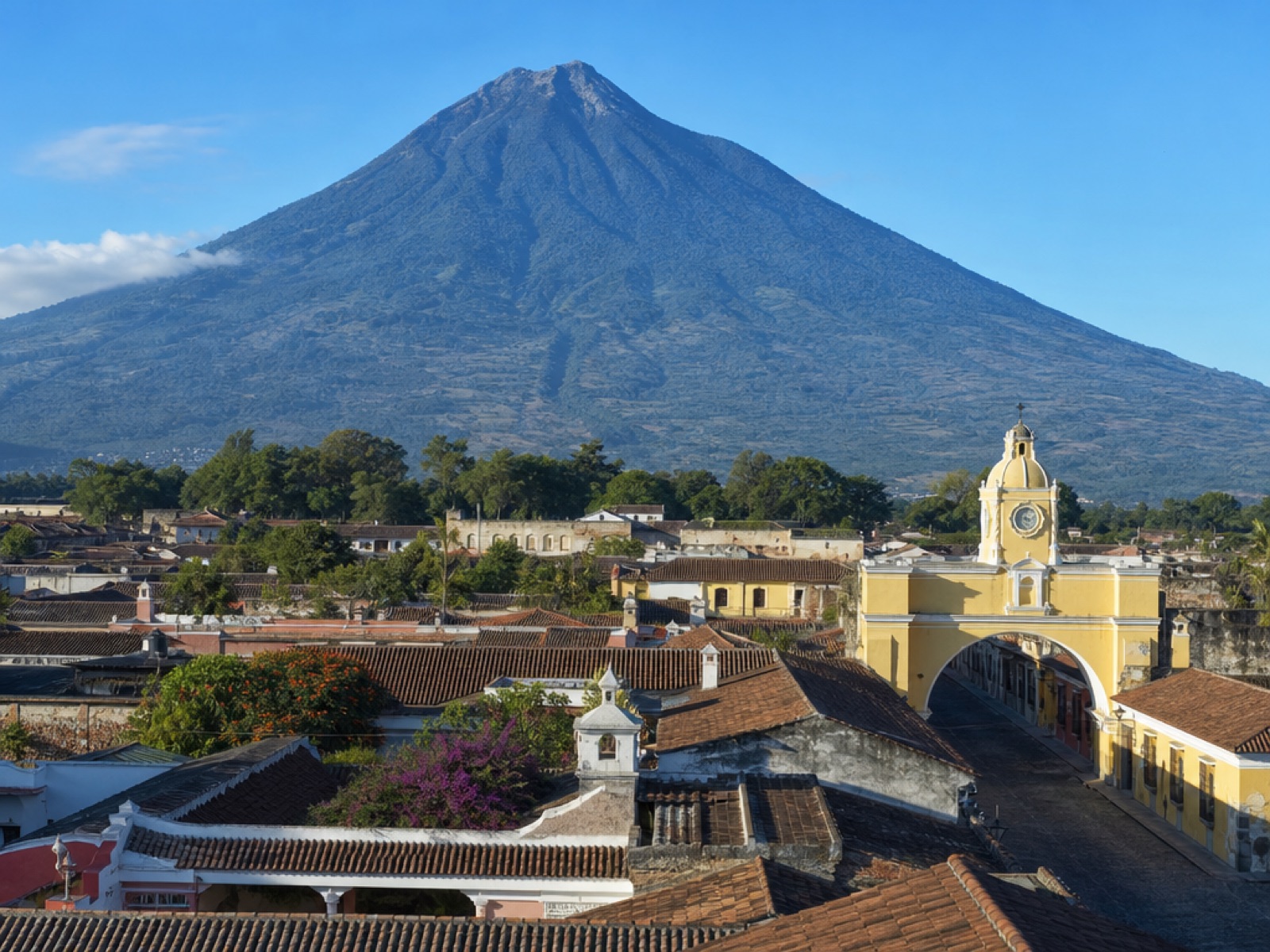
Buying Property in Antigua Guatemala from Mexico
Mexican buyers can own property in Antigua Guatemala outright, in their own name, with no fideicomiso and no restricted zone. That single rule is the biggest difference from buying in Mexico, and it is why a growing number of Mexican families and investors are treating Antigua as their second-home market. The process is direct, the paperwork is finite, and the whole purchase can close in a few weeks when the title is clean.
Can Mexicans buy property in Antigua Guatemala?
Yes. Guatemala places no nationality restriction on property ownership. A Mexican citizen buys with the same rights as a Guatemalan: the property is titled in your personal name, you receive a full escritura, and you record it in the Registro de la Propiedad. There is no trust structure required, no bank permission, and no limit on how close a property sits to the coast or a border.
That contrasts sharply with Mexico, where foreign buyers must use a bank trust (fideicomiso) inside the 50 km coastal and 100 km border “restricted zone.” In Guatemala no such zone exists. If you have ever navigated a fideicomiso, the Guatemalan route will feel refreshingly simple.
Why Mexican buyers choose Antigua Guatemala
Antigua sits about two hours by air from Mexico City, and the direct route from MEX, GDL and MTY makes a weekend visit realistic. Beyond proximity, the draw is a familiar culture, a shared language, and a cost of living well below Mexico’s major cities.
- Climate: spring-like temperatures of 20 to 28 degrees Celsius year round, no heating bill and no brutal summers.
- Language and culture: Spanish is the everyday language, so you skip the adjustment period that slows other foreign buyers.
- Cost of living: a couple can live comfortably on $1,500 to $2,500 USD per month, including rent, utilities and dining out.
- Safety and walkability: the historic center is compact, well lit and easy to explore on foot.
- Healthcare: private hospitals in Guatemala City are roughly an hour away, with clinics and specialists inside Antigua.
Mexico vs Guatemala: how the ownership rules compare
If you already own in Mexico, the table below shows where the two systems diverge. Each row stands on its own, because the differences matter most when you compare them one at a time.
| Item | Mexico | Guatemala |
|---|---|---|
| Foreign ownership near coast or border | Restricted zone: bank trust (fideicomiso) required | No restricted zone: buy freehold in your own name |
| Title document | Escritura pública, recorded in the Registro Público de la Propiedad | Escritura pública, recorded in the Registro de la Propiedad |
| Typical closing costs | About 4 to 7 percent of the price | About 5 to 7 percent of the price |
| Financing for non-residents | Very limited | Very limited |
| Currency for pricing | Usually USD or MXN | Usually USD, sometimes quetzales |
What does it cost to buy in Antigua Guatemala?
Prices in 2026 run the same range for Mexican and other foreign buyers. A colonial home in or near the historic center typically sells between $200,000 and $600,000 USD. Modern condos and pre-construction units start around $150,000 USD, while restored luxury estates can exceed $1 million.
Budget an additional 5 to 7 percent of the purchase price for closing costs. That figure covers notary fees of 1 to 2 percent (regulated by the Guatemalan Bar Association) and a municipal transfer tax of about 3 percent, which is often split between buyer and seller. Sellers pay their own 5 percent capital gains tax separately, so it should not land on your side of the table.
How does financing work for Mexican buyers?
Most Mexican buyers pay cash or arrange seller financing. Guatemalan banks rarely lend to non-residents, and Mexican banks do not finance property located in Guatemala. If you plan to borrow against a Mexican asset or bring funds across the border, start that conversation with your bank early, and confirm how you will transfer funds and document the source. A clean paper trail on the money is what keeps the closing smooth.
Step by step: how the purchase closes
- Verify the title. Your agent or attorney pulls the property record from the Registro de la Propiedad and checks for liens, unpaid taxes and boundary disputes.
- Sign a purchase agreement. Agree on price, deposit and closing date, and confirm whether the buyer or seller covers the transfer tax.
- Hire a notary. A Guatemalan notary (notario público) drafts the escritura and handles the tax filings. The notary is a neutral legal officer, not a broker.
- Complete due diligence. Confirm municipal tax status, building permits and, for land, that access and measurements match the deed.
- Close and pay. Funds move on the agreed date, the escritura is signed, and the transfer tax is paid.
- Record the deed. The escritura is registered in the Registro de la Propiedad, which is what makes your ownership public and enforceable.
Tax and residency considerations
Mexican tax residents may have reporting obligations on foreign-held assets, and rental income from a Guatemalan property can be taxable in both countries. Rules change, thresholds matter, and the details depend on your personal situation, so work with a cross-border accountant before you buy rather than after. If you plan to spend more than a few months a year in Antigua, ask about Guatemalan residency options built around property ownership.
Managing an Antigua property from Mexico
The two-hour flight works in your favor. Many Mexican owners visit several times a year and rent the property out in between. A local property manager handles bookings, guest check-in, maintenance and bill payments, which matters more for short-term rentals than for a home you keep for personal use. Good management is the difference between a rental that pays for itself and one that quietly drains you.
Common mistakes Mexican buyers make
- Skipping the Registro de la Propiedad search and trusting a photocopied deed.
- Assuming Mexican financing or a Mexican mortgage will apply to a Guatemalan property.
- Underestimating closing costs by ignoring the notary and transfer tax line items.
- Buying on a promise of future permissions for a build that is not yet approved.
- Choosing a property for its rental projection without checking what the short-term rental rules actually allow.
Antigua rewards buyers who do the homework. Start with a clear budget, confirm the title, and hire people who work in Guatemala every day.
Ready to look at real listings? Browse our available properties, review how we support foreign buyers, or contact Luna for a no-pressure call about what your budget buys in Antigua Guatemala today.
Interested in Antigua Real Estate?
Whether you're looking to buy, rent, or invest. I can help. Free consultation, no pressure.