How to Negotiate Property Prices in Antigua Guatemala
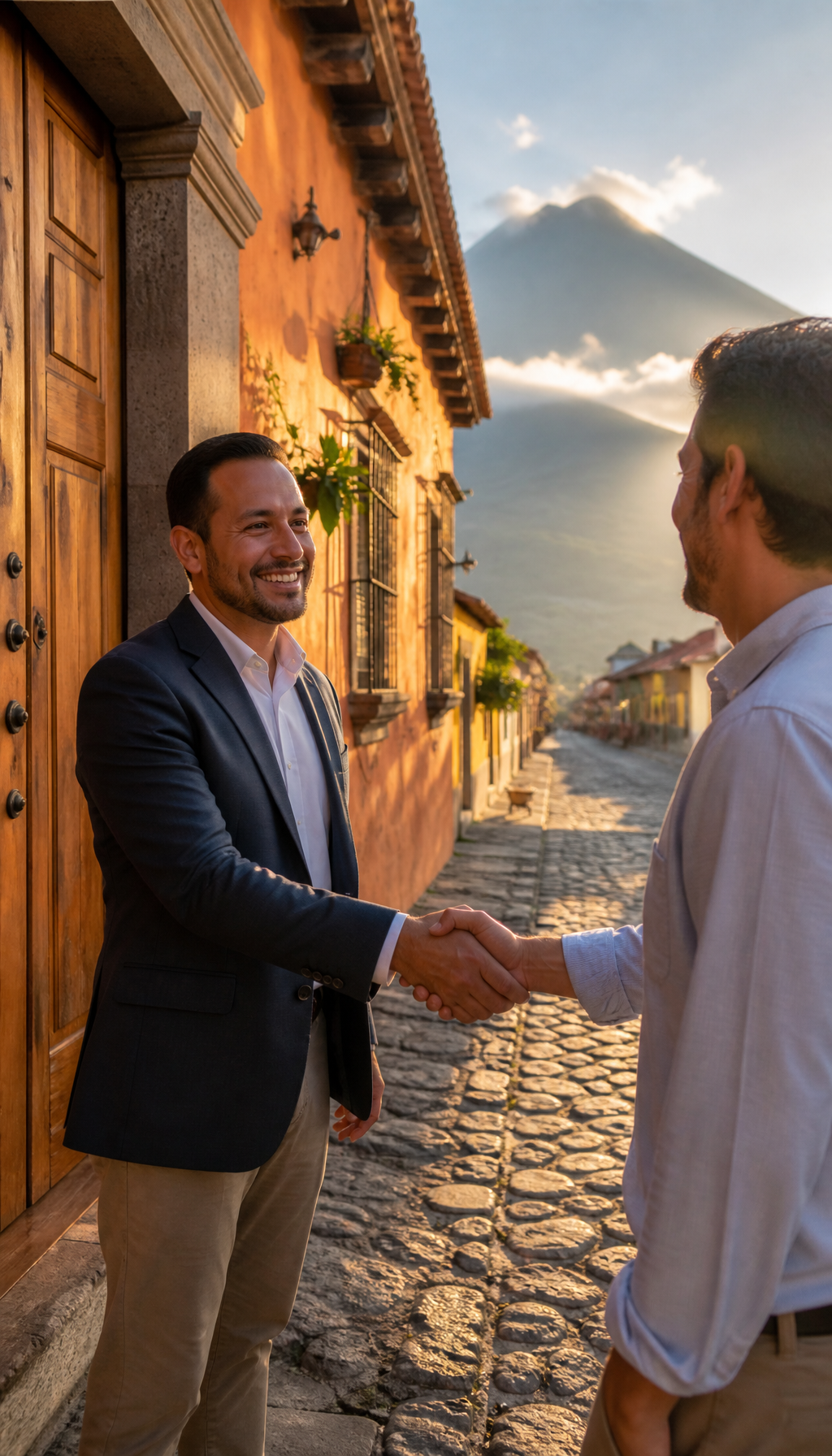
Making an offer on a property in Antigua Guatemala is different from buying real estate in the United States, Canada, or Europe. The negotiation culture, market norms, and legal framework all work differently here. Understanding how to negotiate effectively can save you thousands of dollars and help you secure the right property at a fair price.
This guide covers the practical side of negotiating property prices in Antigua Guatemala so you can approach your purchase with confidence.
How the Antigua Real Estate Market Works
Antigua Guatemala’s property market is unique because it serves three distinct groups of buyers: international investors, expat retirees and remote workers, and local Guatemalan families. Each group has different priorities, and sellers price their properties based on which buyer they expect to attract.
Properties aimed at international buyers tend to have higher asking prices, often 15 to 25 percent above the expected sale price. This markup accounts for negotiation room and the premium that comes with marketing in English to a global audience. Properties listed primarily for the local market are often priced closer to their actual value, with less room to negotiate.
Understanding who the seller is targeting helps you gauge how much room you have to negotiate. A property with an English listing, professional photos, and international-style presentation likely has more price flexibility built in.
Research Before You Negotiate
Good negotiation starts long before you make an offer. Do your homework on comparable properties in the area. Look at what similar homes, condos, or land parcels have recently sold for, not what they are listed at. Your real estate agent should provide you with a market analysis showing recent sales data for comparable properties.
Pay attention to how long a property has been on the market. A listing that has sat for six months or more is generally more open to negotiation than one that just came on the market. The seller may be growing impatient or facing carrying costs that make them more flexible on price.
Visit the property in person before making an offer. Photos can hide issues like street noise, neighbor proximity, drainage problems, or maintenance needs that give you legitimate negotiating points.
Making Your Initial Offer
When you are ready to make an offer, start with a well-reasoned price, not an arbitrary lowball. In Guatemala, offers between 10 and 15 percent below the asking price are considered reasonable starting points for negotiation. Offers significantly lower than that can offend sellers and shut down negotiations before they begin.
Your initial offer should come with justification. Reference specific comparable sales, point out any repairs or upgrades the property needs, and explain your reasoning. A professional written offer through your agent carries more weight than a casual verbal inquiry.
Include a reasonable timeline in your offer. Sellers in Antigua typically prefer a closing period of 30 to 60 days, which gives both parties time to complete due diligence, arrange financing, and prepare legal documents.
Understanding Seller Motivations
Knowing why someone is selling gives you a major advantage in negotiation. Some sellers need a quick sale due to a job relocation, family situation, or financial pressure. Others are simply testing the market and will only sell if they get their full asking price.
Your real estate agent can often gather this information through conversations with the listing agent. Common seller situations in Antigua include expats returning to their home country, local families upgrading to a larger home, developers who completed a renovation project, and heirs selling inherited property.
Each situation produces a different negotiation dynamic. A motivated seller may accept a lower price in exchange for a fast, cash closing. A seller in no rush will hold firm on price but may be flexible on terms like including furniture or appliances.
Negotiating Beyond Price
Price is not the only thing you can negotiate. If the seller will not budge on the asking price, consider asking for concessions in other areas. You can negotiate for the seller to cover closing costs, include furnishings or appliances, pay for a home inspection or survey, or handle necessary repairs before closing.
In Guatemala, it is common for the seller to pay the real estate commission, which is typically 3 to 5 percent of the sale price. Closing costs for the buyer usually run around 3 to 4 percent of the property value, including legal fees, registration, and taxes.
If you are paying in cash, you have significant leverage. Cash offers close faster, involve fewer complications, and are more attractive to sellers than financed offers that depend on bank approval.
The Role of Counteroffers
Expect at least one counteroffer during the negotiation process. This is normal and should not be taken as a rejection. The counteroffer shows the seller is engaged and willing to find a middle ground.
When you receive a counteroffer, take time to consider it rather than responding immediately. Discuss the numbers with your agent, review your budget, and decide what your walk-away point is before you respond.
A typical negotiation in Antigua might go through two or three rounds of offers and counteroffers before both parties reach an agreement. If the gap between your offer and the seller’s counter is more than 10 percent of the asking price, you may need to find creative solutions rather than just splitting the difference.
Cultural Considerations in Negotiation
Guatemalan business culture values relationships and courtesy. Aggressive or confrontational negotiation tactics are viewed negatively. Approach price discussions as a collaborative process where both sides work toward a fair outcome.
Patience is important. Decisions in Guatemala often take longer than in North America or Europe. Sellers may need to consult with family members, business partners, or legal advisors before accepting an offer. Rushing the process rarely produces better terms.
Personal connections matter. If you have built a good relationship with your agent and shown genuine interest in the property and the community, the seller’s perception of you as a serious, respectful buyer works in your favor during negotiation.
When to Walk Away
The most powerful negotiating tool you have is the willingness to walk away. Set your maximum budget before you start looking and stick to it. Factor in closing costs, renovation budgets, and a safety margin for unexpected expenses.
If a seller will not meet your price and the property does not justify the premium, move on to the next option. Antigua Guatemala has a diverse inventory of homes, condos, land parcels, and colonial properties. The right property at the right price will come along if you are patient.
Remember that a property you overpay for is much harder to sell later. Buy with resale value in mind from the start.
Work With an Experienced Local Agent
Having a knowledgeable real estate agent who understands both the local market and international buyer expectations is essential. A good agent handles negotiations on your behalf, provides honest feedback on property values, and guides you through the cultural and legal aspects of the transaction.
A strong agent relationship also gives you access to off-market properties that never appear on public listing sites. Some of the best deals in Antigua Guatemala happen before properties are publicly advertised.
Ready to find your property in Antigua Guatemala? Contact Luna Jerney for expert guidance on buying real estate in Antigua. With years of experience helping international buyers navigate the local market, Luna can help you find the right property at the right price.