
Pest Control in Antigua Guatemala: Termites and More
Pest Control in Antigua Guatemala: Termites and More
Antigua Guatemala’s warm valley, six-month rainy season, and colonial building materials make pest pressure higher and more constant here than in a city with a hard winter. It is not a crisis, and most homes live with it comfortably. But pests quietly destroy property value, and owners who stay ahead of them spend far less than those who react late. This guide covers which pests matter, how to spot the damage, and what treatments cost in 2026.
Why Pest Pressure Is High in Antigua Guatemala
Four local conditions drive the problem:
- No cold season. Mild temperatures year-round mean insects and rodents breed continuously instead of dying back each winter.
- Rainy season moisture. From May to October, wood stays damp, what termites and wood-boring insects need.
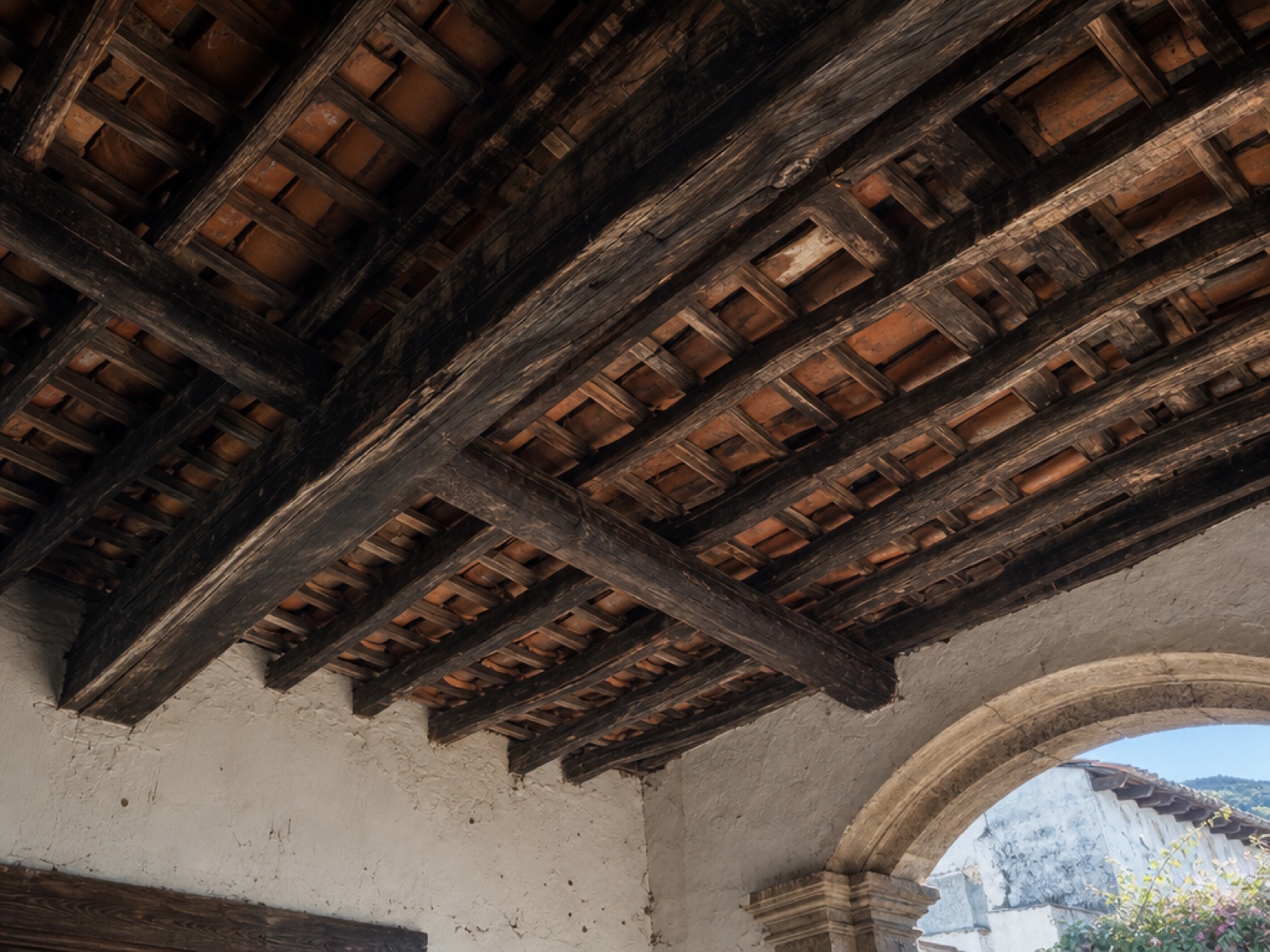
- Colonial materials. Untreated wooden vigas (roof beams), adobe walls, and clay tile give pests food and shelter that concrete does not.
- Water everywhere. Courtyard gardens, roof tinacos, cisterns, and fountains give mosquitoes reliable breeding sites.
The Pests That Actually Matter Here
| Pest | Where you find it | What it costs you | Typical response |
|---|---|---|---|
| Subterranean termites (comején) | Roof beams, frames, columns, foundations | Hidden structural damage until a beam fails | Soil barrier, wood injection, new timber |
| Drywood termites | Furniture, trim, vigas | Wood hollowed from the inside | Fumigation or local injection |
| Mosquitoes (Aedes aegypti) | Standing water, cisterns, roof tanks | Dengue and other illness | Clear standing water, screens, fogging |
| Cockroaches | Kitchens, drains, sewers | Hygiene problems, allergens | Gel bait, monthly service |
| Rodents | Roof voids, adobe cavities, kitchens | Chewed wiring, contaminated food | Sealing, traps, bait |
| Scorpions | Stone walls, garden rubble, shoes | Painful sting for children and pets | Clear harborage, seal cracks |
| Bats | Tile roofs, beam spaces | Acidic guano corrodes wood and metal | Exclusion screens, never poison |
Termites: The Pest That Costs Real Money
Termites are the biggest pest threat to property value in Antigua because they work silently. A colony can feed inside a roof beam for years, hollowing the wood while the surface still looks intact. By the time a sagging roofline or soft door frame reveals it, the repair is structural, not cosmetic.
Watch for these signs:
- Hollow-sounding wood. Tap beams with a screwdriver handle; a dull, papery sound means the inside is gone.
- Mud tubes. Pencil-width tunnels of soil running up foundation walls or into wooden posts.
- Frass and pellets. Small piles of sawdust-like material or tiny oval droppings under beams.
Termite damage is usually found mid-project, when walls are opened. Budget a contingency for hidden damage on any home older than 30 years, and inspect every wooden element before you commit.
Mosquitoes and Dengue Are a Health Issue
Mosquitoes carry dengue in Guatemala, and the Aedes aegypti species that transmits it breeds in clean standing water around the home, not in swamps. Household water management is the most effective control. Empty and scrub plant saucers, buckets, and any container holding water weekly, keep tinacos and cisterns tightly covered, and clear gutters before the rains.
Bats in Colonial Roofs: The Heritage Catch
Bats are common in Antigua’s older buildings because tile roofs and exposed beams make ideal roosts. The problem is what accumulates below: acidic guano corrodes wood and metal and creates a respiratory risk in enclosed spaces. Bats are protected in Guatemala, so poisoning them is illegal and ineffective. The solution is exclusion, sealing gaps and screening entry points so bats leave and cannot return, ideally outside the breeding season.
The Annual Prevention Routine That Saves Thousands
Prevention costs a fraction of remediation. A workable routine:
- Inspect wood twice a year, at the end of the dry season and after the rains. Check roof beams, frames, and exposed structural timber.
- Fix leaks within days. Damp wood is the strongest termite attractor; a slow leak left a season can start a colony.
- Keep soil away from wood. Leave clearance between garden soil and any wooden post, sill, or beam end.
- Remove standing water weekly during the rainy season and keep storage sealed.
- Store firewood away from the house, never against a wall or under an overhang.
- Screen windows and courtyard openings to reduce mosquitoes and rodents.
- Keep a written treatment log. Records matter when you sell or rent.
What Pest Control Costs in Antigua Guatemala
Local fumigadoras serve most of the valley. The ranges below are typical 2026 quotes for a mid-size home; confirm current pricing, since rates move with fuel and chemical costs.
| Service | Typical cost range | Frequency |
|---|---|---|
| Routine residential fumigation | $40 – $90 per visit | Monthly or quarterly |
| Annual termite inspection | $50 – $150 | Once a year |
| Termite barrier or wood treatment | $600 – $2,500+ | One-time, 5 to 10 year protection |
| Rodent sealing and proofing | $150 – $600 | One-time, with follow-up |
| Mosquito fogging | $60 – $150 | Seasonal |
Termite pricing depends on property size, foundation access, and whether wood injection is needed on top of a soil barrier. Ask for a written scope and warranty; reputable providers guarantee barrier treatments for several years.
What to Check Before You Buy a Colonial Home
Pest history belongs on your due diligence list alongside water rights and seismic condition:
- Ask the seller for the last treatment records and their fumigadora’s name.
- Inspect every wooden beam, or hire an inspector if you cannot reach the roof structure.
- Look for mud tubes on foundation walls and around columns.
- Confirm tinacos and cisterns have proper lids.
- Ask specifically about bats if the property has an old tile roof.
Browse our current listings to see what is available, and ask us to flag pest and moisture risk before you make an offer. Our team walks these homes regularly and knows which have been maintained.
Managing Pest Control from Abroad
For absentee owners, pest control is one of the first items to slip and one of the most expensive to defer. A property left closed for months with a slow leak can develop a termite problem that costs five figures to repair. If you do not live here year-round, fold pest inspection and treatment into a managed maintenance schedule. Our property management service coordinates fumigation, water tank checks, and preventive maintenance, so problems get caught while they are still a ninety-dollar service call.
Getting Help
Pests in Antigua are manageable with a routine, and unmanaged they are one of the few genuine threats to a colonial property’s value. Whether you own or are buying, keep a twice-a-year inspection habit and your records.
Luna and the team at Antigua Real Estate Development work with buyers, sellers, and absentee owners across the Antigua valley. We can point you to local fumigation providers, help you read an inspection report, and coordinate pest and maintenance work on properties we manage. Reach out for a straight answer on any property you are considering.
Interested in Antigua Real Estate?
Whether you're looking to buy, rent, or invest. I can help. Free consultation, no pressure.