
Rainy Season in Antigua Guatemala: An Expat's Survival Guide
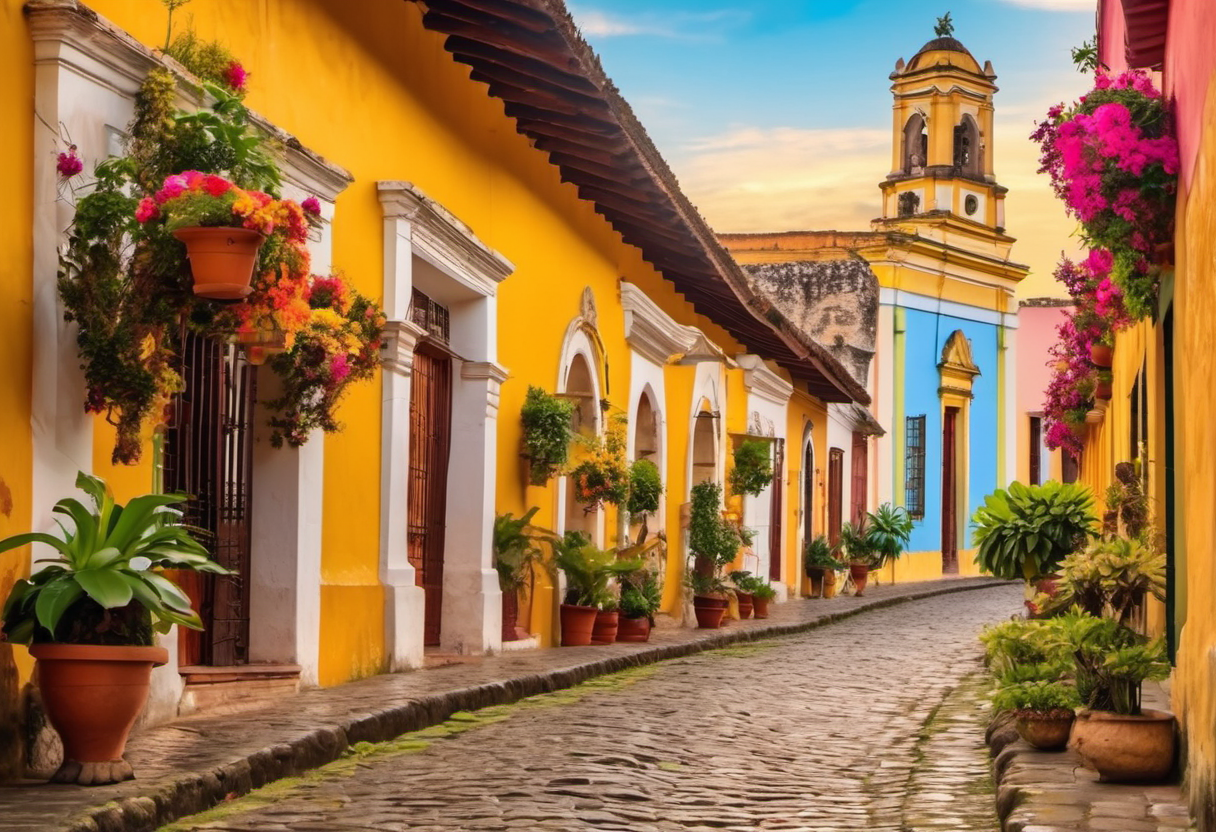
Antigua Guatemala’s rainy season runs from roughly May through October, and it’s nothing to fear. In fact, many expats prefer it. The mornings are clear and sunny, gardens explode with green, the air cools down, and tourist crowds thin out. What you need to know is simple: rain arrives like clockwork most afternoons between 2 and 4 PM, lasts an hour or two, then clears for a beautiful evening. Life doesn’t stop — it just gets a rhythm.
What the Rainy Season Actually Looks Like
Forget the idea of weeks of nonstop gray skies. Antigua sits at about 1,500 meters (5,000 feet) elevation in a highland valley, and the weather pattern is remarkably predictable. You’ll wake to blue skies and sunshine almost every day. By early afternoon, clouds build over the surrounding volcanoes. Around 2 or 3 PM, a solid downpour rolls through — sometimes heavy, sometimes just a steady drizzle. By 5 or 6 PM, it’s usually done, and the sunset over Volcán de Agua can be spectacular.
The heaviest rain months are June, September, and October. September in particular can see more persistent rainfall, with some days staying overcast. But even in September, fully rainy days are the exception rather than the rule.
Temperature stays comfortable year-round in Antigua — daytime highs around 75-80°F (24-27°C) even during rainy months. The rain actually brings relief from the dry-season heat and dust. Many long-term residents say May through October is their favorite time of year.
How Rainy Season Affects Daily Life
Morning activities are key. Expats quickly learn to schedule hikes, market runs, and outdoor errands for the morning hours. The Chichicastenango Thursday and Sunday markets, coffee farm tours, and volcano hikes are all best done before noon during these months.
Afternoon plans shift indoors. Coffee shops, restaurants with covered terraces, and indoor coworking spaces fill up around 2 PM. This is when Antigua’s café culture really shines — grab a locally roasted coffee at a courtyard café and watch the rain from under a colonial archway. It’s genuinely one of the pleasures of living here.
Driving requires extra caution. Cobblestone streets get slippery when wet, and some roads outside town — particularly toward Hobbitenango, San Miguel Dueñas, or along the road to Monterrico — can develop puddles and minor flooding. If you’re buying property in one of the surrounding villages, a vehicle with decent ground clearance is worth considering.
Power outages become more common. Guatemala’s electrical grid is vulnerable during storms. Short outages of 15-30 minutes happen more frequently in rainy months. Most expats invest in a UPS (uninterruptible power supply) for their router and computer. It’s a small expense — around Q500-800 ($65-100) — that makes a big difference if you work remotely.
Volcanic Risks During Rainy Season
This is the part most relocation guides skip. Antigua sits near three volcanoes — Agua, Acatenango, and Fuego — and rainy season does increase the risk of lahars (volcanic mudflows). Fuego has been intermittently active since 2018, and heavy rain on its slopes can trigger fast-moving mud and debris flows in the barrancas (ravines) that run through and around Antigua.
The risk is real but manageable. The most affected areas are properties located directly in the barrancas — the deep gullies that cut through town and the surrounding countryside. Before buying any property, especially outside the central historic district, you should have a geological assessment done. Luna Jerney at Antigua Real Estate Development always recommends this step, and she can connect you with qualified local surveyors who understand the volcanic terrain.
The areas of greatest concern include:
- Properties along Barranca de San Miguel and Barranca de Santa Inés
- Lower-lying lots near the base of Volcán de Agua on the south side
- Some developments along the road toward Ciudad Vieja that sit in drainage paths
Well-located properties in central Antigua, San Felipe, San Cristóbal El Bajo, and most of Jocotenango face minimal lahar risk. A knowledgeable local real estate agent makes all the difference here.
Maintaining Your Property Through the Rains
If you own a colonial home or are considering buying one, rainy season is when maintenance matters most. Colonial-era drainage systems — the original builders designed elegant water management — need to be kept clear. Gutters, downspouts, and interior courtyards with their traditional drainage grates should be inspected in April before the rains start.
Common rainy-season property issues:
- Roof leaks, especially around flat rooftop terraces where waterproofing has aged
- Mold and mildew in rooms with poor ventilation (Antigua’s humidity rises significantly June-August)
- Garden overgrowth — everything grows fast during rainy months, which is beautiful but requires weekly maintenance
- Foundation seepage in older homes without modern drainage
Budget roughly Q2,000-5,000 ($260-650) per month for a part-time property caretaker or gardener during rainy season, compared to Q1,000-2,500 during dry months. It’s one of the hidden costs of colonial home ownership that experienced buyers factor in from the start.
For those considering restoration projects, the rainy season is actually useful — it reveals every leak and drainage problem in a building before you invest in renovation. Smart buyers visit prospective properties during a heavy rain. Luna has seen clients change their minds about a purchase after witnessing water pour through a “charming” colonial facade. It’s far better to discover these issues before signing.
Why Expats Love the Green Season
Locals call it invierno (winter), but the expat community often uses “green season” — and for good reason. The transformation is dramatic. Volcán de Agua’s slopes turn emerald green. Coffee cherries ripen on the branch. Bougainvillea erupts in reds, purples, and oranges against every colonial wall. The whole valley looks like a painting.
Practical perks of rainy season:
- Lower rental prices. Tourism dips, and with it, Airbnb rates. If you’re still in the exploration phase — visiting before committing to a purchase — rainy season is the cheapest time to stay and get a realistic feel for daily life.
- Fewer tourists. The central plaza, La Merced, and the famous arch are far less crowded. You’ll see what Antigua actually feels like for residents.
- Better produce. Local markets overflow with fresh vegetables, tropical fruits, and herbs. Prices drop for items like tomatoes, peppers, and avocados.
- Cooler nights. You might actually want a light blanket — a novelty if you’re coming from the U.S. Gulf Coast or Texas.
Planning Your Move Around the Rain
If you’re relocating to Antigua, arriving during rainy season has advantages. You’ll experience the most challenging weather conditions right away, which means you’ll know exactly what you’re signing up for. It’s far better than arriving in March, falling in love with the perfect dry-season weather, and then being surprised by October rains.
Luna Jerney at Antigua Real Estate Development often recommends that serious buyers visit twice — once in dry season (November through April) and once during the rains. The properties that feel right in both seasons are the ones worth buying.
Key timing tips:
- Schedule property viewings for mornings
- Plan your move-in logistics with rain gear and plastic sheeting for furniture
- Set up utilities and internet before arrival — rainy season installations can be delayed
- Join local expat Facebook groups; they share real-time weather updates and road conditions
The Bottom Line
Rainy season in Antigua Guatemala isn’t something to endure — it’s something to embrace. The daily rhythm of sunny mornings and afternoon showers becomes second nature within weeks. Properties are priced more competitively. The landscape is at its most beautiful. And you’ll quickly learn that some of the best moments of Antigua life happen during a rainstorm — sitting in a colonial courtyard, coffee in hand, listening to rain on terracotta tiles.
Ready to explore property options in Antigua Guatemala? Contact Luna Jerney at Antigua Real Estate Development for personalized guidance on finding your perfect home in the highlands — rain or shine.
Interested in Antigua Real Estate?
Whether you're looking to buy, rent, or invest — I can help. Free consultation, no pressure.