
Utilities in Antigua Guatemala: Setup Guide
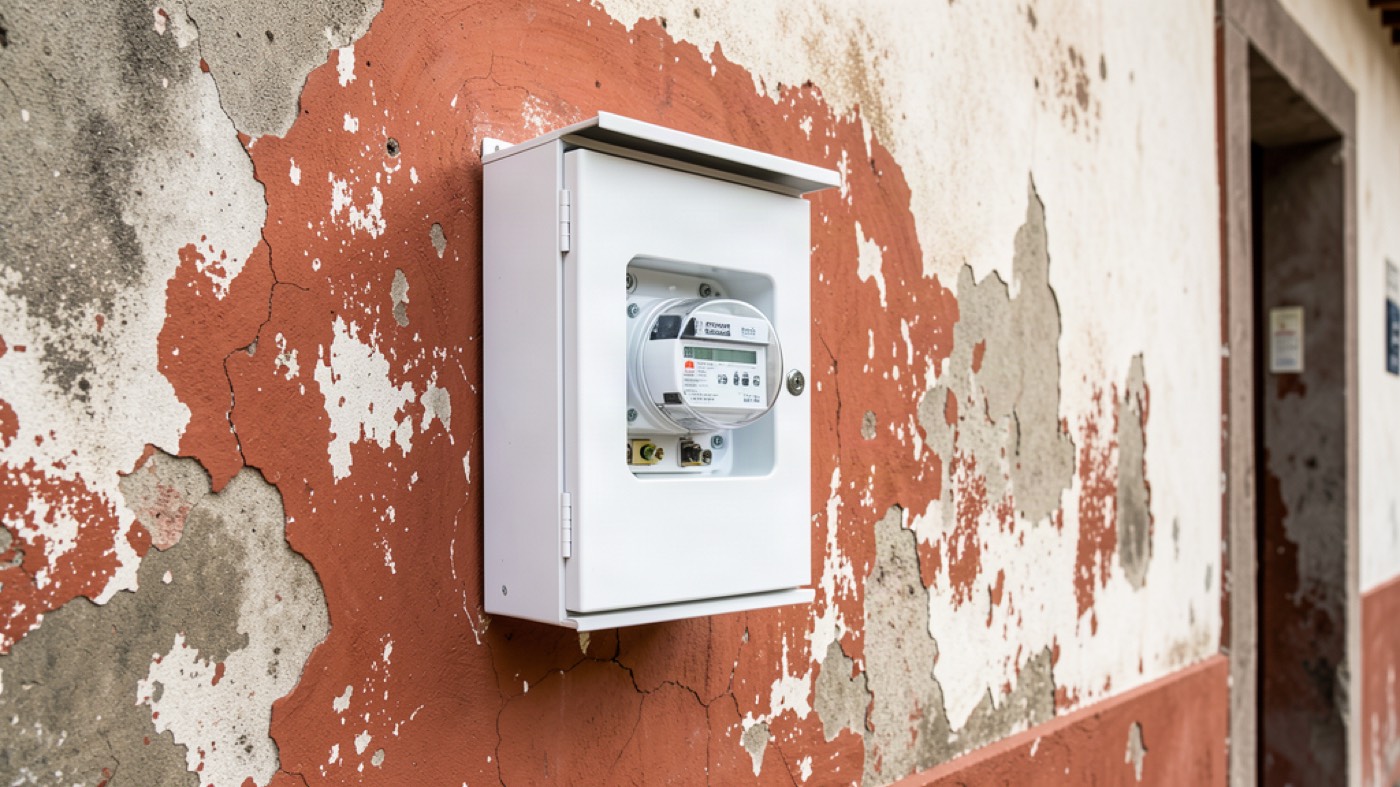
Setting up utilities in Antigua Guatemala is one of the first practical tasks you will face after signing a lease or buying a property. The good news: the process is straightforward, costs are reasonable compared to North America and Europe, and most expats handle the transition smoothly once they know what to expect.
This guide covers everything, water, electricity, internet, gas, and waste collection, with real numbers, local insights, and the small details nobody tells you until you are already living here.
Water Service in Antigua Guatemala
Municipal water in Antigua is managed by EMPAGUA (Empresa Municipal de Agua). Most homes and apartments in the historic center and surrounding neighborhoods are connected to the municipal supply. However, the system works differently from what most expats are used to.
How Water Delivery Works
Many properties in Antigua do not have continuous pressurized water flow. Instead, water arrives at certain hours, often in the morning or late afternoon, and fills a tinaco (rooftop storage tank) or a pila (concrete water basin). Gravity then distributes water throughout the house from the tank.
This is not a failure of infrastructure. It is the standard system across much of Guatemala, and it works reliably when the storage tank is properly sized for the household.
Properties with continuous water pressure exist, typically newer construction or homes that have installed an automated pump system with a cistern (underground storage). If uninterrupted flow matters to you, confirm the water setup during your property search.
Water Costs
Water is remarkably affordable in Antigua. Most households pay between Q75 and Q200 per month (roughly $10–$26 USD). Larger properties with gardens and higher consumption might reach Q400 ($52 USD). Bills are issued monthly by EMPAGUA, and you can pay at their office on 4a Calle Poniente or at any Banrural bank branch.
Water Quality
The municipal water in Antigua is treated and generally safe for showering and washing. However, most expats and even local families use a combination of methods for drinking water:
- Five-gallon garrafones of purified water, delivered to your door for around Q15–Q20 ($2–$3 USD) each
- Countertop filtration systems like the Berkey or locally made ceramic filters
- Under-sink reverse osmosis systems installed by local plumbers for around Q800–Q1,500 ($105–$200 USD)
A family of two typically goes through two to three garrafones per week, costing about Q120–Q240 per month ($16–$32 USD).
Electricity Service
Electricity in Antigua is provided by EGSA (Empresa Eléctrica de Guatemala). The process of getting service in your name is relatively simple, though it may require your landlord’s help.
Setting Up Your Account
When you move into a rental, the electricity account often stays in the property owner’s name, and you pay the bill directly. If you want the account in your name, you will need:
- Your passport or DPI (Guatemalan ID)
- Proof of address (your lease contract works)
- A deposit, typically equivalent to one month’s estimated usage
The EGSA office in Antigua is located near the center of town. Wait times are reasonable, usually 20 to 40 minutes during weekday mornings.
Electricity Costs
This is where Antigua really shines for expats on a budget. Electricity rates in Guatemala are lower than in most North American and European countries. Typical monthly costs:
- Single person in a small apartment: Q250–Q400/month ($33–$52 USD)
- Couple in a two-bedroom home: Q400–Q700/month ($52–$92 USD)
- Family in a large house with multiple AC units: Q800–Q1,500/month ($105–$200 USD)
Air conditioning is the biggest variable. Many homes in Antigua do not have or need AC thanks to the mild highland climate (average daytime temperature: 70–78°F / 21–26°C). Heating is virtually never needed. If your home uses electric water heaters and an electric stove, expect your bill on the higher end.
Power Outages
Power outages do happen, though they are less frequent than in rural Guatemala. In the historic center, outages typically occur during severe storms or scheduled maintenance, perhaps once a month for a few hours. Properties outside town (toward El Hato, San Miguel Dueñas, or Ciudad Vieja) may experience slightly more frequent interruptions.
A UPS (uninterruptible power supply) for your router and computer costs around Q500–Q1,000 ($66–$132 USD) locally and is a worthwhile investment for anyone working remotely.
Internet and WiFi
Connectivity in Antigua has improved dramatically in recent years. The town is well-served by multiple providers, and speeds are generally reliable enough for video calls, streaming, and remote work.
Available Providers
Tigo is the most popular option among expats. They offer fiber optic connections in many parts of Antigua with plans ranging from 100 Mbps to 500 Mbps. Monthly costs:
- 100 Mbps: Q350–Q450/month ($46–$59 USD)
- 200 Mbps: Q500–Q600/month ($66–$79 USD)
- 500 Mbps: Q750–Q900/month ($99–$118 USD)
Claro is the other major provider with similar coverage and pricing. Some neighborhoods have better Claro infrastructure than Tigo, and vice versa, ask your neighbors before committing.
Starlink has become increasingly popular in areas where cable infrastructure is limited, particularly in the hills around Antigua. The hardware costs around Q3,500 ($460 USD) as a one-time purchase, and the monthly service fee is approximately Q550 ($72 USD). Speeds regularly reach 100–200 Mbps with low latency.
Practical Tips
When choosing a provider, ask the current tenant or your neighbors about actual speeds and reliability. Infrastructure varies block by block in the cobblestone streets, and what works great on one street might struggle on another.
For remote workers, having a backup connection is smart. Many expats keep a Tigo fiber connection as their primary and use a Tigo mobile hotspot or Starlink as a backup. Total cost for redundancy: under $130 USD per month, a small price for uninterrupted income.
Cooking Gas
Guatemalan homes use propane gas (GLP) for stoves and sometimes for water heaters. There is no natural gas pipeline in Antigua. Instead, you use portable tanks that are refilled or exchanged.
How It Works
Most homes have a standard 25-pound gas cylinder connected to the stove. When it runs out, you call your local gas delivery service or simply flag down the gas truck that plays its distinctive jingle through the streets. A full cylinder costs around Q90–Q130 ($12–$17 USD), and a household typically uses one every three to six weeks depending on cooking frequency.
Some newer properties have larger external tanks (100+ pounds) that are refilled by truck on a schedule. If you are buying property, ask about the gas setup during your inspections.
Trash and Waste Collection
Municipal waste collection in Antigua is handled by the local municipality. If you live in the historic center or adjacent neighborhoods, collection trucks typically pass Monday through Saturday in the early morning. Your landlord or neighbor can tell you the schedule for your specific street.
Monthly waste collection fees are modest, usually included in your municipal taxes or charged as a separate line item of Q25–Q75 ($3–$10 USD) per month.
For recycling, Antigua has several collection points. EcoFiltro and local NGOs organize periodic recycling drives. The expat community is active in promoting sustainable waste practices, check local Facebook groups for current information.
Total Monthly Utility Costs
Here is a realistic summary of monthly utility expenses for different household types in Antigua:
| Utility | Single/Couple | Family of Four |
|---|---|---|
| Water | $10–$20 | $15–$35 |
| Electricity | $33–$70 | $70–$150 |
| Internet (100+ Mbps) | $46–$59 | $46–$59 |
| Cooking gas | $12–$17 | $17–$25 |
| Mobile phone plan | $15–$25 | $40–$80 |
| Garbage/recycling | $3–$10 | $3–$10 |
| Total | $119–$201 | $191–$359 |
These figures reflect 2026 prices and assume moderate usage without air conditioning. Compare that to average utility costs of $300–$500+ in most US cities, the savings are significant and consistent month after month.
Tips for Property Buyers
If you are purchasing property in Antigua, there are a few utility-related considerations to keep in mind during your due diligence:
Verify water rights and access. Rural properties, especially in areas like El Hato and the outskirts of Ciudad Vieja, may rely on private wells or natural springs rather than municipal water. Confirm the water source, storage capacity, and whether seasonal shortages are common.
Check electrical capacity. Older colonial homes may have limited electrical service (40 or 60 amps). If you plan to run multiple high-draw appliances, electric oven, water heater, washing machine, AC, you may need to upgrade to 100 or 200 amp service. Upgrading costs Q2,000–Q5,000 ($263–$660 USD) through EGSA.
Inspect the roof for tinaco and solar potential. The flat rooftops common in Antigua are ideal for both water storage tanks and solar panels. Solar installation has become increasingly popular, with a basic system (4–6 panels with battery storage) starting around Q35,000 ($4,600 USD). The investment typically pays for itself within three to five years given Guatemala’s generous sunlight.
Ask about fiber optic availability. Not every street in Antigua has fiber optic cable yet. If reliable high-speed internet is essential for your work or lifestyle, confirm with Tigo or Claro whether fiber is available at the specific address before signing.
The Bottom Line
Utilities in Antigua Guatemala are affordable, generally reliable, and easy to manage once you understand the local systems. The water delivery model, gas cylinder exchanges, and occasional power flickers are part of daily life here, and most expats find they adapt within the first few weeks.
The cost savings compared to North American and European utility bills add up quickly, freeing up budget for the things that make life in Antigua special: weekend trips to Lake Atitlán, dinners at restaurants on 5a Avenida, or investing in a property with volcano views.
Ready to find your perfect home in Antigua Guatemala? Luna Jerney at Antigua Real Estate Development can help you navigate every step, from property search to utility setup. Contact Luna today to start your journey.
Interested in Antigua Real Estate?
Whether you're looking to buy, rent, or invest. I can help. Free consultation, no pressure.