
What's Included When You Buy a House in Guatemala
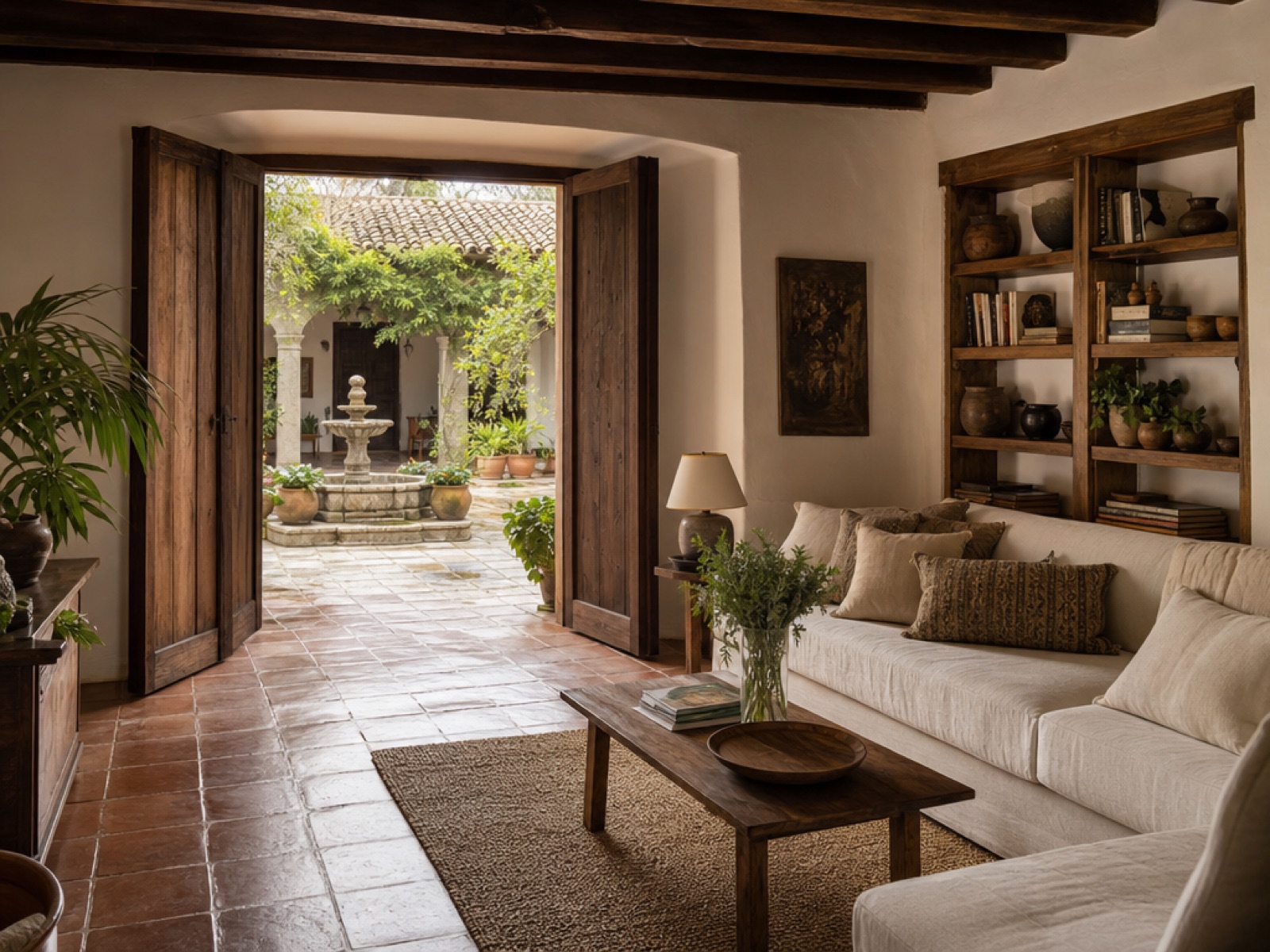
In Guatemala, a house sale transfers the immovable property described in the escritura: the land, the walls, the roof, the fixed installations and anything permanently attached to them. Furniture, appliances and loose possessions are bienes muebles, movable goods, and they do not transfer unless the sale contract or a signed inventory says so. Most buyers in Antigua Guatemala assume the furnished look in the listing photos comes with the house. It usually does not, and the gap between what a buyer expects and what the escritura lists is one of the most common sources of friction in the final week before closing.
Does the furniture come with the house in Guatemala?
Usually no. Furniture is movable property and stays with the seller unless you agree otherwise in writing. A house staged for photos can be completely empty on handover day, and that is legally normal.
The good news is that furniture is negotiable, often cheaply. Sellers of a second home or an estate property frequently prefer to leave everything rather than pay to move it, especially in Antigua where shipping furniture out of the country costs more than the furniture is worth. Ask early, put it in the offer, and attach a list.
What legally stays with the property?
Anything fixed to the structure normally passes with the sale, because Guatemalan law treats attachments to an immovable as part of it. In practice that means doors and windows, built-in wardrobes and kitchen cabinets, tiled floors, fixed light fixtures, the staircase, the water tank and pump, the water heater, bathroom fittings, the gate and its motor, pool equipment, and permanent garden planting.
Two grey areas cause arguments. Solar panels and their inverter are usually treated as part of the installation, but a seller who paid for them separately may want them back. A built-in stove or oven follows the same logic: fixed in place, part of the kitchen, but a seller may still claim it. Name both in the contract rather than relying on a general clause.
What does the escritura actually describe?
The escritura is a deed of the real property, not an inventory. It identifies the land by its registered plan, the measurements, the boundaries and the registered owner, and it may mention construction. It will not tell you whether the refrigerator stays.
That is why the sale promise, the promesa de compraventa, is where you list movable goods. Anything agreed there, and repeated in the final deed or an annex to it, is enforceable. Anything agreed only in a WhatsApp message is not worth much when the truck is already loaded.
How do you negotiate furniture and appliances?
Treat it as a separate, itemised negotiation from the price of the house. Buyers who say “leave everything” get a vague yes and a house with no light bulbs. Buyers who attach a numbered list get what they asked for.
A workable sequence:
- Walk the house with the seller and photograph every room, including inside cupboards and the utility area.
- Build one list of what you want, with the condition noted, and mark what you do not want.
- Agree a single figure for the lot, or a price per item for anything valuable.
- Sign it as an annex to the promesa, in Spanish, listing each item by description and room.
- Confirm at the pre-closing walkthrough that the items are still there and working.
If a seller resists putting furniture in writing, that is useful information about how the rest of the closing will go.
What usually stays, and what sellers take?
In this market the pattern is fairly consistent. Fixed installations stay almost always. White goods are split: a seller leaving the country tends to leave the washing machine, dryer and refrigerator, while a seller moving to another house in Guatemala often takes them.
| Item | Usually stays? | What to do |
|---|---|---|
| Built-in wardrobes, kitchen cabinets | Yes, part of the structure | Confirm in the contract |
| Water tank, pump, heater | Yes | Test them at the walkthrough |
| Light fixtures, curtain rails | Yes | Ask for spare bulbs and keys |
| Refrigerator, washer, dryer | Sometimes | Itemise in the annex |
| Sofas, beds, dining set | Rarely | Negotiate a lump sum |
| Potted plants, garden tools | Rarely | Ask, sellers often leave them |
| Solar panels, inverter | Disputed | Name them explicitly |
| Art, rugs, mirrors | No | Assume the seller takes them |
Table based on standard practice in Antigua Guatemala sales, reviewed October 2026.
What should change hands on handover day?
Handover is more than keys. Ask for the full set: front door, interior doors, gate, padlock keys, and every remote for the gate and garage. Then collect the paperwork that keeps the house running: warranty cards and manuals for the pump, heater, inverter and any appliance, the name of the plumber and gardener the seller used, and the maintenance record for the roof and the water system.
Utility transfers matter too. Confirm the meter readings for electricity and water on the day, and make sure the accounts are moved into your name rather than left in the seller’s. Unpaid balances follow the meter, and a cut service in your first week is a bad introduction to the house.
Do you need a lawyer to check the list?
Yes, and it costs very little relative to the purchase. Your notary reviews the promesa and the annex, checks that the items you are paying for are not encumbered, and makes sure the escritura and the inventory do not contradict each other. A bilingual review of an inventory list is the cheapest hour of the whole transaction.
If you are buying from abroad and cannot attend the handover, a power of attorney with a clear instruction to verify the inventory protects you. Without it, you are trusting photographs.
The bottom line
Assume the house comes empty, then negotiate what you want in writing. The structure, the fixed installations and the permanent planting come with the property by law. Everything you can lift, including the refrigerator and the sofa in the photos, is a separate deal. Buyers who itemise get a furnished house for a fraction of the cost of furnishing it, and they get it without an argument the week before closing.
Browse current listings at /properties/ to see which homes are offered furnished, or talk to us at /contact/ before you make an offer. We walk buyers through the inventory question on every sale, and we would rather do it before the promesa is signed than after.
Interested in Antigua Real Estate?
Whether you're looking to buy, rent, or invest. I can help. Free consultation, no pressure.