
Retiring in Antigua Guatemala: A Complete Guide for Expats in 2026
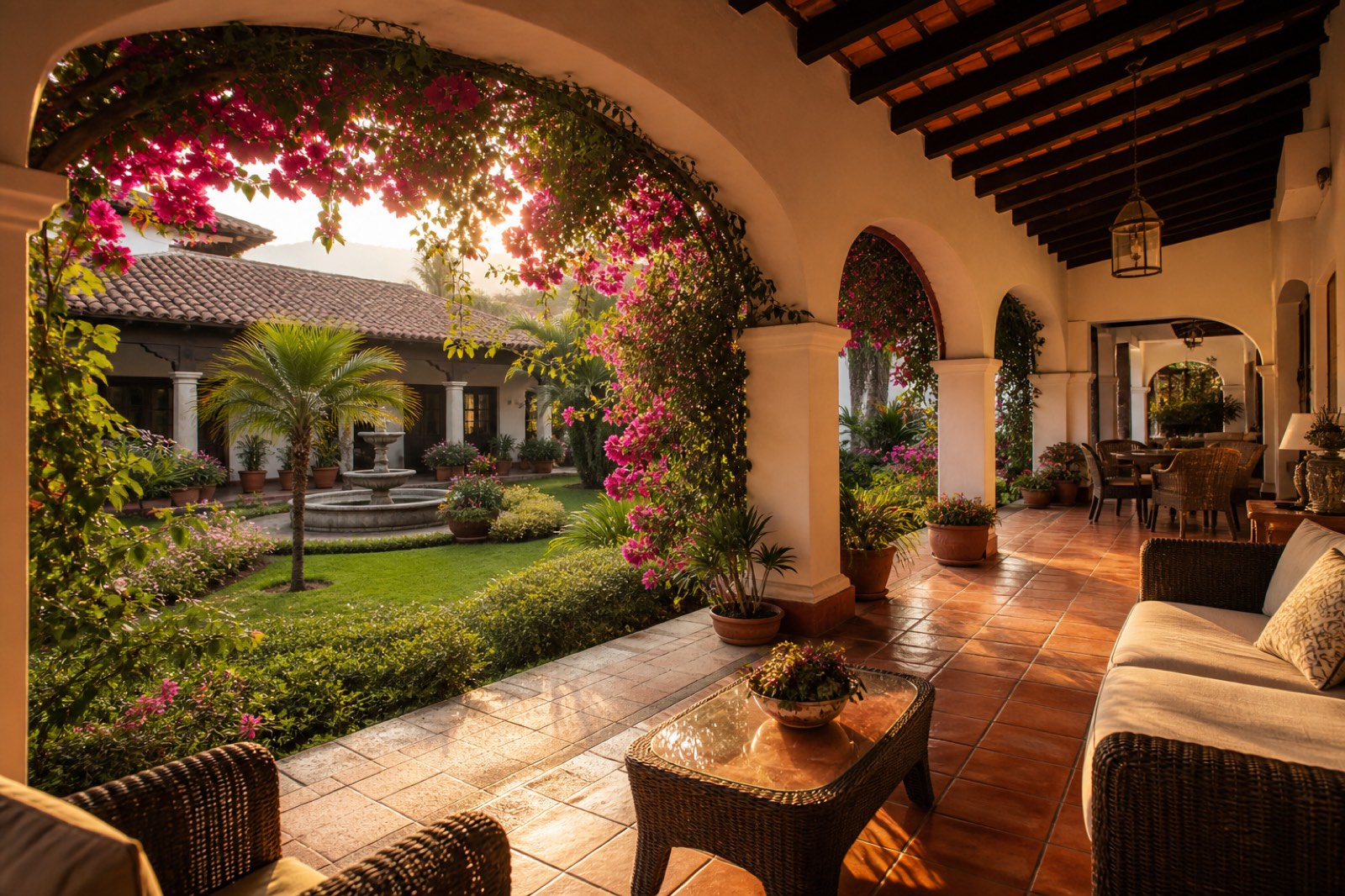
Every year, more North Americans and Europeans choose Antigua Guatemala as their retirement destination — and it is not hard to see why. Cobblestone streets, colonial architecture, a temperate spring-like climate year-round, and a cost of living that stretches retirement savings much further than most cities back home.
But retiring in a new country takes planning. This guide covers the practical side: visas, healthcare, cost of living, and how to find a home that fits your new life in Antigua.
Why Retire in Antigua Guatemala?
Antigua offers what many retirees want but few places deliver: beauty, safety, community, and affordability — all in one walkable colonial town.
The climate is the quiet superstar. Antigua sits at 1,500 meters (about 5,000 feet) above sea level, which means temperatures hover between 18°C and 25°C (65°F to 77°F) most of the year. No extreme heat. No freezing winters. Just permanent spring.
It is a UNESCO World Heritage Site. The entire town is protected, which means the colonial charm you see in photos is not going anywhere. New construction follows strict regulations, so the skyline stays dominated by volcanoes and church ruins rather than high-rises.
There is a real expat community. From American and Canadian retirees to European digital nomads and Guatemalans returning from abroad, you will find an established community with social clubs, language exchanges, and wellness groups. Retiring here does not mean retiring alone.
Understanding Guatemalan Retirement Visas
Guatemala has two main paths for retirees, and neither requires buying property.
1. The Pensionado Visa (Retiree Visa). Available if you receive a permanent pension of at least $1,000 USD per month. You will need a certified pension letter, a police record, a health certificate, and a passport valid for at least six months. This visa lets you live in Guatemala permanently, though you must enter the country every six months to keep your residency active.
2. The Rentista Visa (Investor Visa). Available if you can show a monthly passive income of at least $1,500 USD or a bank deposit of $25,000 USD — even if you have no pension. Many retirees who are not yet collecting Social Security or a pension use this route.
3. The Temporary Residency Option. You can also start with a temporary residence permit and convert to permanent residency later. A local immigration lawyer (notario) handles the paperwork; expect the process to take one to three months.
Note: Guatemala does not yet have a specific “retirement visa” like Panama’s Pensionado program, but the Pensionado and Rentista visas function the same way. Always confirm current requirements with a qualified immigration attorney, as requirements change.
Healthcare for Retirees in Antigua
Healthcare is one of the biggest concerns for retirees, and Antigua handles it well.
- Private clinics: Antigua has several modern private clinics with English-speaking doctors. A general consultation typically costs $30 to $60 USD. Most expats pay out of pocket — it is affordable enough that private health insurance is optional for many.
- Public healthcare: Guatemala’s public system (IGSS) is available to residents and is very inexpensive, but wait times and facilities vary. Most retirees use private care.
- Emergency care: For serious conditions, Guatemala City is about 45 minutes away by car and has excellent private hospitals with international standards.
- Health insurance: If you prefer insurance, international plans (like Cigna Global or IMG) covering Guatemala typically cost $100 to $300 USD per month depending on age and coverage.
The practical advice most expats give: keep $5,000 to $10,000 USD in accessible savings for medical emergencies, and keep your U.S. or home-country Medicare/insurance situation documented — many retirees maintain a home-country plan as a safety net.
Cost of Living in Antigua Guatemala
The biggest myth about retiring in Central America is that it is “cheap.” It is cheaper than major North American cities — but Antigua is not the cheapest town in Guatemala, and that is part of why people love it.
Here is a realistic monthly budget for a couple:
| Expense | Monthly Cost (USD) |
|---|---|
| Rent (2-bedroom colonial house or apartment) | $800 – $1,500 |
| Utilities (electricity, water, internet) | $80 – $150 |
| Groceries | $300 – $450 |
| Dining out (a few times a week) | $150 – $300 |
| Healthcare (consultations, medications) | $50 – $150 |
| Transportation (taxis, occasional car) | $100 – $250 |
| Total for a couple | $1,500 – $2,800 |
A couple retiring comfortably in Antigua should plan for roughly $1,800 to $3,000 USD per month — enough to rent a lovely home, eat well, and enjoy the town. If you want a house with a garden, guest room, and views of the volcanoes, budget toward the higher end.
Buying vs. Renting in Retirement
For many retirees, the smart first move is renting for six to twelve months before buying. This lets you learn the neighborhoods, experience the rainy season, and understand exactly what you want — without the pressure of a purchase.
Renting in Antigua
- Long-term rentals (one year or more) run $700 to $1,800 USD/month depending on location, size, and whether the property is colonial or modern.
- Monthly rentals for furnished properties start around $900 USD.
- Leases are straightforward, typically requiring one month’s deposit and one month in advance.
Buying in Antigua
- Colonial homes in the historic center range from $200,000 to $600,000 USD depending on size, condition, and whether restoration is needed.
- Homes in nearby neighborhoods like Santa Ana, San Pedro, and Ciudad Vieja are more affordable, often $150,000 to $350,000 USD.
- Modern condos with amenities (pools, gyms, security) start around $150,000 USD.
If you decide to buy, work with a trusted local agent who understands both Guatemalan notary processes and the restoration realities of colonial properties. See our guide on the top mistakes foreign buyers make in Antigua before you commit.
Best Neighborhoods for Retirees
The “best” neighborhood depends on your priorities: walkability, quiet, views, or community.
- El Centro (Historic Center): The heart of Antigua. Restaurants, markets, and colonial charm at your doorstep. Expect more noise and more tourist traffic — and the highest prices.
- Santa Ana: One of the most established expat neighborhoods, a 10-minute walk from the center. Quieter, with colonial homes and excellent cafes. Very popular with retirees.
- San Pedro: A charming, slightly quieter barrio near the ruins of Santa Clara. Great for those who want proximity to the center without living on top of it.
- Ciudad Vieja and San Felipe: Slightly outside the historic core, with more modern homes and lower prices. A good option if you want a garden and parking.
- Valle del Rubio and gated communities: For retirees who want security, green space, and modern amenities, gated communities west of town offer houses and condos with 24/7 security.
Browse our current property listings to see what is available in each neighborhood.
Practical Tips for a Smooth Transition
Retiring in Antigua is wonderfully straightforward once the paperwork is done. A few tips from expats who have been through it:
- Learn basic Spanish. You can survive with English, but learning Spanish opens doors, builds friendships, and makes everything from grocery shopping to doctor visits easier. Spanish schools in Antigua are excellent and affordable — many retirees take one-on-one lessons for a few months after arriving.
- Set up banking before you need it. Open a local bank account early, and keep a U.S.-or-overseas account with a low-fee international card for daily purchases.
- Plan for the rainy season. May through October brings afternoon rains. It is a beautiful, dramatic season — but infrastructure like water and power can be less reliable than in North America, so budget for water filtration and backup solutions.
- Join the community before you move. Facebook groups like “Expats in Antigua Guatemala” and local meetups will answer questions and connect you with people before you even arrive.
- Use a local lawyer for everything legal. From visas to property purchase, a Guatemalan notario is your best protection. The process is different from North America and well worth the professional help.
Your Retirement in Antigua Starts Here
Retiring in Antigua Guatemala is a decision thousands of North Americans and Europeans have already made — and most will tell you it was the right one. The climate is gentle, the cost of living is reasonable, the community is welcoming, and the beauty of the colonial town never gets old.
If you are ready to explore homes, rentals, or pre-construction projects for your retirement, our team can help. Contact us to start the conversation, or browse our property listings to see what Antigua has to offer today.
Interested in Antigua Real Estate?
Whether you're looking to buy, rent, or invest — I can help. Free consultation, no pressure.