Top 10 Mistakes Foreign Buyers Make When Buying Property in Antigua Guatemala
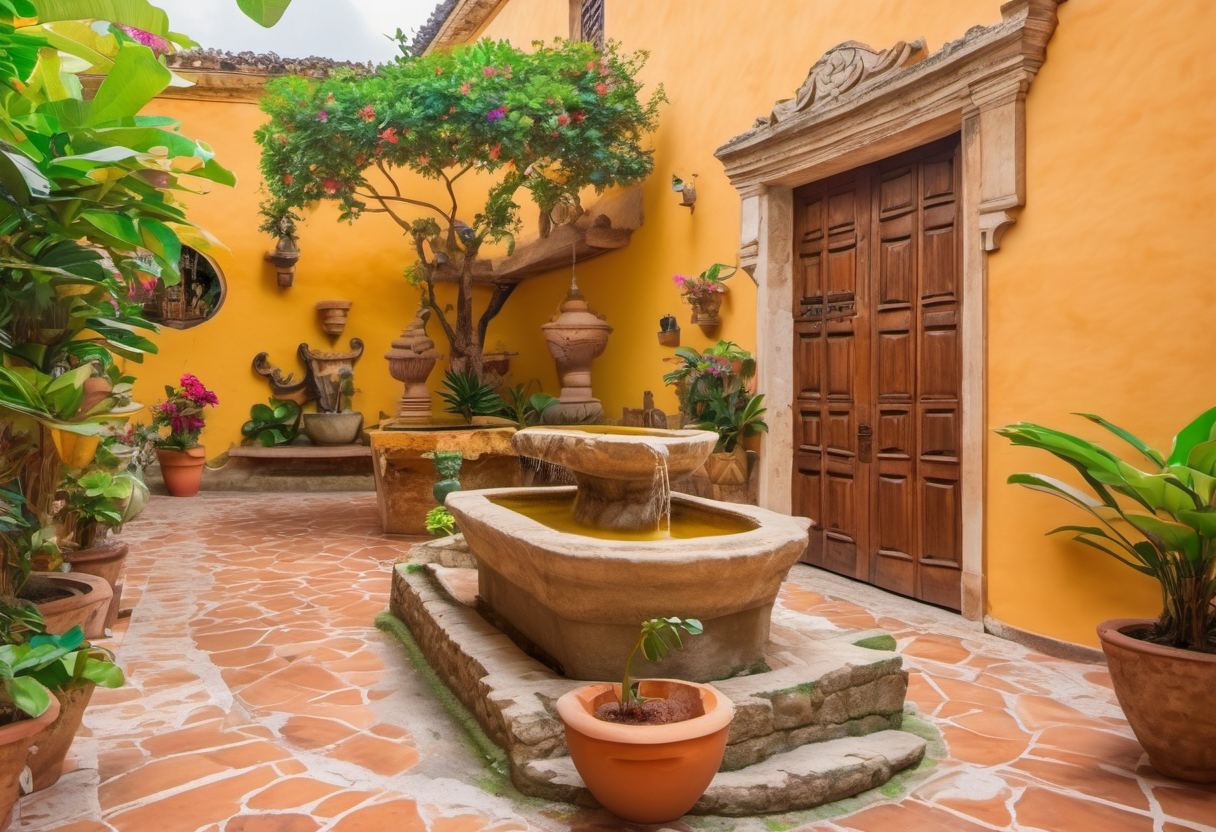
Buying property in Antigua Guatemala is an exciting prospect. The colonial architecture, volcano views, and vibrant expat community make it one of the most desirable real estate markets in Central America. But beneath the charm lies a purchasing process that works very differently from what most foreigners expect.
After helping dozens of international buyers navigate the Antigua market, I’ve seen the same mistakes repeated again and again. Some are minor and cost a few hundred dollars. Others can delay your purchase by months or put your entire investment at risk.
Here are the top 10 mistakes foreign buyers make when purchasing property in Antigua Guatemala — and how to avoid every single one.
1. Skipping the Title Search
The single biggest mistake foreign buyers make in Guatemala is trusting a seller’s word without verifying the title.
Guatemala’s property registry (RGP — Registro General de la Propiedad) is a public system, but it is not always up to date. Properties can carry liens, undisclosed heirs, boundary disputes, or even colonial-era claims that never made it into the modern registry. A thorough title search that goes back at least 15 to 20 years is the only way to confirm that the person selling the property actually owns it free and clear.
How to avoid it: Always hire your own notary (notario) to conduct an independent title search. Do not rely on the seller’s notary or a verbal assurance. The cost is typically $200 to $500 and is the best money you will spend on the entire transaction.
2. Not Understanding the Role of the Notary
In Guatemala, notaries are not just witnesses who stamp documents. They are licensed attorneys who handle the entire legal side of a property transaction — drafting contracts, conducting title searches, verifying tax payments, and registering the deed with the RGP. This is fundamentally different from the notary system in the United States, Canada, or Europe.
How to avoid it: Work with a bilingual notary who has experience with foreign buyers. Your real estate agent should be able to recommend trusted notaries. Interview two or three before choosing one. Ask about their experience with international clients and their familiarity with Antigua’s specific property registration process. For a complete overview, see our guide on the role of a notary in Guatemalan real estate transactions.
3. Overpaying Because You Fell in Love Too Fast
Antigua Guatemala has a way of casting a spell. The cobblestone streets, the smell of coffee in the morning, the sight of Volcán de Agua at sunset — it is easy to fall in love with a property on first sight. But emotional buying is the fastest path to overpaying.
Many foreign buyers, especially those on vacation or a short scouting trip, make offers quickly without understanding local market values. Sellers and agents in Antigua know this, and prices for properties marketed to international buyers often include a premium.
How to avoid it: Rent first. Spend at least a month living in Antigua before committing to a purchase. Use that time to tour properties, compare prices across neighborhoods, and understand what different price points actually get you. Our neighborhood guides are a good starting point for comparing areas.
4. Ignoring Property Access and Easement Rights
This is a surprisingly common issue in Antigua, especially with colonial properties and land parcels in the surrounding villages. Some properties are accessed through land owned by a neighbor, and the right of way (servidumbre) may not be properly registered. Without a formal easement, you could buy a property and find yourself unable to legally reach it.
How to avoid it: During the title search, ask your notary to specifically verify registered easements and rights of way. If a property relies on an access road through another owner’s land, ensure the easement is documented in the property registry. Visit the property in person and confirm that the access route matches what the registry shows.
5. Misunderstanding the Rental Market and Overestimating Income
Many foreign buyers purchase property in Antigua with the expectation of generating rental income. The tourism-driven rental market here is strong, but it is also seasonal and competitive.
The mistake comes in two forms. First, buyers assume they will earn peak-season rates year-round. Second, they underestimate the costs of property management, maintenance, utilities, and taxes on rental income. The result: a property that looks profitable on paper delivers disappointing returns.
How to avoid it: Get realistic data before you buy. Ask your agent for rental performance data for comparable properties in the same neighborhood. Factor in property management fees (15–25% of gross rental income for short-term rentals), cleaning costs, utility bills, and Guatemalan income tax on rental earnings. Build your financial model on conservative occupancy assumptions — 60–70% for short-term rentals is a reasonable starting point. Read our seasonal rental market guide for detailed projections.
6. Buying Without Seeing the Property in Person
With high-quality video tours and virtual showings available, it is tempting to buy a property remotely — especially if you are on a tight schedule or living abroad. But Antigua properties have quirks that cameras do not capture.
The neighbor’s rooster that starts crowing at 4 AM. The drainage issue in the courtyard during heavy rain. The church bells that ring every hour from the convent next door. The faint smell of smoke when the wind shifts from the direction of a nearby coffee roastery. These are things you can only experience in person.
How to avoid it: If you cannot travel to Antigua, hire a trusted local representative — your real estate agent or a relocation consultant — to visit the property on your behalf at different times of day. Ask them to take video of the surrounding streets, check the water pressure, and talk to neighbors. Better yet, plan a dedicated property scouting trip of at least one week.
7. Not Budgeting for Closing Costs and Ongoing Expenses
First-time buyers in Guatemala are often surprised by the total cost of acquiring a property. The closing costs in Guatemala typically run 5–9% of the purchase price, which includes:
- Notary fees (1–2%)
- Property transfer tax (3% of the registered value)
- Registration fees
- Municipal transfer tax (varies, typically 0.5–1%)
- Legal fees
And that is just to get the keys. Once you own the property, ongoing expenses include:
- Property tax (IUSI — Impuesto Único Sobre Inmuebles): 0.2–0.6% of assessed value annually
- Utility connections and deposits
- Property insurance (earthquake coverage is strongly recommended)
- Maintenance for colonial homes (often higher than modern construction)
How to avoid it: Before making an offer, ask your notary or agent for a complete closing cost estimate. Build a post-purchase budget that includes at least six months of carrying costs. Our guide on Guatemala property taxes for foreigners has more details on the tax side.
8. Dealing with Cash Without Proper Documentation
Guatemala has strict anti-money-laundering regulations, and financial institutions are required to report transactions above certain thresholds. Foreign buyers who bring large amounts of cash into the country or make undocumented payments to sellers create risk for themselves.
If you cannot document the source of funds for a cash purchase, you may face delays during the notary’s verification process. Worse, if the seller reports a lower sales price to reduce their tax liability (a practice that still occurs in some informal transactions), you could end up with a registered value far below what you actually paid — which affects your resale potential and may raise red flags with Guatemalan tax authorities.
How to avoid it: Use a Guatemalan bank account for the transaction and maintain a clear paper trail. If you are wiring funds from abroad, keep all bank records. Never agree to a dual-price arrangement where the deed shows a lower value than what you actually pay. Work with a reputable notary who insists on proper documentation.
9. Overlooking Zoning and Renovation Restrictions
Antigua Guatemala is a UNESCO World Heritage site, and the historic center has strict building regulations administered by the CNPAG (Consejo Nacional para la Protección de la Antigua Guatemala). These rules govern:
- Building height (maximum two stories in the historic center)
- Facade colors and materials
- Window styles and door designs
- Roof types (traditional clay tiles required in many areas)
- Signage and exterior modifications
Outside the historic center, zoning rules are more flexible but still exist. Buyers who purchase a property planning major renovations without first checking the zoning restrictions often face costly redesigns or permit denials.
How to avoid it: Before buying a property you plan to renovate, check with the municipal planning office and, if applicable, the CNPAG. Ask your architect to review the property’s zoning classification and any historic preservation restrictions. Talk to neighbors who have recently completed renovations to understand the permitting timeline. Our guide on colonial home restoration in Antigua Guatemala covers this in depth.
10. Going It Alone Without Local Representation
The most expensive mistake of all is trying to navigate the Antigua Guatemala real estate market without a trusted local agent. The market here operates on relationships, word-of-mouth, and local knowledge that no online listing platform can replicate.
Many of the best properties in Antigua never appear on public listing sites. They are sold through agent networks, personal connections, and neighborhood grapevines. Without a well-connected local agent, you will only see a fraction of what is available — and almost certainly at higher prices.
How to avoid it: Work with a real estate agent who specializes in helping foreign buyers and has deep roots in the Antigua community. A good agent will do more than show you properties. They will connect you with trusted notaries, inspectors, architects, and contractors. They will negotiate on your behalf with an understanding of local customs and expectations. And they will help you avoid every single mistake on this list.
Making Your Antigua Property Purchase a Success
Buying property in Antigua Guatemala as a foreigner does not have to be complicated or risky. The key is preparation: understand the process, work with the right professionals, and take your time. A property purchase here can be one of the best decisions you ever make — as long as you go in with your eyes open.
Whether you are looking for a colonial home in the historic center, a modern condo in a gated community, or land to build your dream house in the highlands, having the right team on your side makes all the difference.
Ready to start your property search in Antigua Guatemala? Contact Luna Jerney for a free consultation. With years of experience helping international buyers find their perfect property, Luna can guide you through every step — from first viewing to final deed.
Interested in Antigua Real Estate?
Whether you're looking to buy, rent, or invest — I can help. Free consultation, no pressure.