Antigua Guatemala’s cobblestone streets and colonial architecture make it one of Central America’s most sought-after real estate markets. This guide is for expats, investors, and anyone considering buying property in this UNESCO World Heritage city.
You’ll discover the unique investment opportunities that Antigua’s historic charm creates, from restored colonial homes to modern developments. We’ll walk through the legal requirements foreign buyers need to know, including residency options and property ownership rules. Finally, you’ll get the inside scoop on prime neighborhoods, typical costs, and how to work with trusted local professionals who understand both the market and the complexities of international transactions.
Understanding Antigua Guatemala’s Property Market
Current market trends and pricing dynamics
The real estate market in Antigua Guatemala has experienced steady growth over the past decade, with colonial properties commanding premium prices due to their historical significance and limited availability. Property values typically range from $150,000 to $800,000 for restored colonial homes, while modern constructions outside the UNESCO World Heritage zone can be found between $80,000 and $300,000. The market shows strong demand from North American and European buyers seeking second homes or retirement properties, driving up prices by approximately 8-12% annually in desirable neighborhoods.
Investment-grade properties with rental potential, particularly those near the central plaza or within walking distance of major attractions, have seen the most significant appreciation. The market remains relatively small but stable, with limited inventory creating competitive conditions for desirable properties.
Popular neighborhoods for international buyers
Central Historic District attracts buyers seeking authentic colonial architecture within walking distance of restaurants, museums, and cultural sites. Properties here command the highest prices but offer the best rental income potential.
Jocotenango appeals to buyers wanting proximity to Antigua’s charm while enjoying more space and better value. This area offers newer constructions and larger lots at more accessible price points.
San Pedro Las Huertas provides a quieter residential atmosphere popular with families and retirees. Properties here typically feature gardens and mountain views while maintaining easy access to the city center.
Panorama and Las Delicias offer modern developments with security features and panoramic views of the valley and volcanoes, attracting buyers seeking contemporary amenities.
Types of properties available in the colonial city
Restored Colonial Houses represent the most coveted properties, featuring thick stone walls, interior courtyards, and original architectural details. These homes often include modern updates while preserving historical character.
Traditional Guatemalan Houses offer authentic local architecture at more affordable prices, though they may require significant renovation to meet international standards.
Modern Condominiums and Apartments provide turnkey options with contemporary amenities, security, and lower maintenance requirements, particularly appealing to part-time residents.
Commercial Properties include restaurants, hotels, and retail spaces in prime locations, offering income-generating opportunities for investors familiar with local business regulations.
Development Land exists primarily outside the historic center, providing opportunities for custom construction projects with proper permits and architectural approvals.
Seasonal fluctuations in real estate activity
Property showings and sales peak during Guatemala’s dry season from November through April, when weather conditions are ideal and many international buyers visit to explore potential purchases. This period sees approximately 60% of annual real estate transactions, with January through March being particularly active months.
The rainy season from May through October typically experiences slower activity, though serious buyers often find better negotiating opportunities during these months. Properties may spend longer on the market, and sellers might be more flexible on pricing and terms.
Holiday seasons, particularly around Christmas and Easter, can temporarily slow market activity as both buyers and real estate professionals travel. However, these periods often generate increased interest from visitors who discover Antigua Guatemala during their vacations and decide to explore property ownership opportunities.
Investment Opportunities in Historic Antigua
Rental Income Potential from Tourism Properties
Antigua Guatemala attracts over 500,000 visitors annually, creating exceptional opportunities for short-term rental investments. Properties in the central historic district can generate monthly rental incomes of $800-2,500 USD, depending on size and amenities. Colonial homes converted into boutique accommodations often achieve occupancy rates of 60-80% during peak season (November through April).
Vacation rental platforms like Airbnb show strong demand for authentic colonial experiences. Properties featuring original architecture elements – exposed stone walls, interior courtyards, antique tile work – command premium rates. Three-bedroom restored homes near central landmarks can earn $150-300 per night during high season.
Key factors affecting rental success include proximity to major attractions like La Merced Church and Central Park, parking availability, and reliable internet connectivity. Properties within walking distance of restaurants and cultural sites perform best with international guests.
Colonial Home Restoration Projects and Returns
Purchasing distressed colonial properties for restoration presents unique investment opportunities in real estate Antigua Guatemala. Historic homes requiring significant renovation often sell for 30-50% below market value of fully restored properties. Typical restoration projects range from $40,000-120,000 USD depending on structural requirements and finish quality.
Successfully restored colonial homes typically appreciate 15-25% annually over the first five years post-renovation. Properties maintaining authentic architectural features while adding modern conveniences appeal to both rental markets and future buyers.
Popular restoration elements include:
Traditional tile roof repairs using original materials
Interior courtyard landscaping with period-appropriate plants
Installing modern plumbing and electrical while preserving colonial aesthetics
Restoring original hardwood beams and stone archways
Working with local craftsmen familiar with colonial techniques ensures authentic results while supporting the community. Many investors partner with experienced contractors who understand UNESCO World Heritage preservation requirements.
Commercial Real Estate Prospects in Tourist Zones
Commercial properties in Antigua’s tourist corridors offer diverse investment options. Restaurant spaces on or near 5a Avenida Norte command monthly rents of $1,500-4,000 USD depending on size and foot traffic. Ground-floor retail spaces in restored colonial buildings attract international businesses seeking authentic Guatemalan settings.
Hotel and hostel investments show strong potential, with occupancy rates averaging 70% year-round. Boutique hotels with 8-15 rooms generate annual revenues of $200,000-500,000 USD. The market particularly favors properties combining colonial charm with modern amenities like reliable hot water and strong Wi-Fi.
Emerging opportunities include co-working spaces for digital nomads, art galleries featuring local artists, and specialty shops selling artisanal goods. Properties near language schools benefit from consistent international student populations throughout the year.
Long-term Appreciation Expectations
Real estate Antigua Guatemala has demonstrated steady appreciation over the past decade, with well-maintained colonial properties increasing in value 8-12% annually. The UNESCO World Heritage designation provides long-term protection against overdevelopment while maintaining international prestige.
Limited available land within the historic center creates natural scarcity, supporting price growth. New construction faces strict regulations, meaning existing properties become increasingly valuable. Properties with original colonial features and proper documentation typically outperform newer constructions.
Market drivers supporting continued appreciation include:
Growing international tourism to Guatemala
Increasing recognition of Antigua as a retirement destination
Rising interest from international remote workers
Government investments in infrastructure and tourism promotion
Economic factors like currency fluctuations can create buying opportunities for foreign investors. The local market shows resilience during global economic downturns due to diverse international demand and Guatemala’s stable tourism industry.
Properties purchased today in prime locations with authentic colonial features are positioned for sustained long-term growth, making real estate Antigua Guatemala an attractive option for patient investors seeking both income generation and capital appreciation.
Legal Requirements for Foreign Property Buyers
Ownership restrictions and permitted zones
Foreign nationals can legally own property in Guatemala, including real estate antigua guatemala, with some important limitations. The constitution restricts foreign ownership within 15 kilometers of borders and 3 kilometers of coastlines. Since Antigua sits inland and away from these restricted zones, international buyers face no geographical limitations when purchasing property in this historic city.
Guatemala operates under a civil law system where foreigners have the same property rights as Guatemalan citizens once they complete the proper registration process. You can hold direct title to land and buildings, making real estate transactions straightforward compared to other Central American countries that require complex trust structures.
The government encourages foreign investment through clear property laws and established procedures. Unlike Mexico’s fideicomiso system or Costa Rica’s maritime zone restrictions, Guatemala allows full ownership without ongoing trust fees or renewal requirements. This makes Antigua particularly attractive for long-term investment strategies.
Required documentation and registration process
The property registration process begins with obtaining a Tax Identification Number (NIT) from Guatemala’s tax authority. You’ll need your passport and proof of address to complete this step, which typically takes one business day.
Essential documents for property purchases include:
Valid passport and tourist visa or residency status
Guatemalan Tax ID (NIT)
Proof of funds and income verification
Clean criminal background check from your home country
Property title search and legal due diligence report
All foreign documents require apostille certification and official Spanish translation by a certified translator in Guatemala. The Public Registry (Registro General de la Propiedad) handles all property title transfers and maintains ownership records.
A licensed Guatemalan attorney must represent you during the transaction. The lawyer performs title searches, reviews contracts, and ensures proper registration with local authorities. This legal representation protects your interests and ensures compliance with all requirements.
Tax obligations for international investors
Property taxes in Guatemala remain relatively low compared to North American and European rates. Annual property taxes typically range from 0.2% to 0.9% of assessed value, with Antigua properties often falling on the lower end due to favorable assessments on colonial buildings.
The transfer tax (Impuesto de Timbres Fiscales) equals 3% of the property’s registered value or sale price, whichever is higher. Buyers pay this tax during the closing process, along with registration fees of approximately 1% of the purchase price.
Income tax obligations apply to rental income generated from your Antigua property. Guatemala taxes rental income at rates between 5% and 7% of gross rental receipts, depending on whether you elect simplified or standard tax calculation methods. Many investors choose the simplified method for its lower administrative burden.
Capital gains taxes apply when selling property, calculated on the difference between purchase and sale prices. The rate varies based on ownership duration, with longer holding periods receiving more favorable treatment. Properties held over two years qualify for reduced capital gains rates, making buy-and-hold strategies tax-efficient for foreign investors in Antigua’s growing real estate market.
Prime Locations and Property Types
Central Historic District Premium Properties
The cobblestone streets of Antigua’s UNESCO World Heritage center house some of Guatemala’s most coveted real estate. Colonial mansions with original stone facades, hand-carved wooden doors, and interior courtyards command premium prices, often ranging from $500,000 to over $2 million. These properties typically feature thick volcanic stone walls, traditional tile roofs, and architectural details dating back centuries.
Buyers seeking central properties should expect smaller living spaces compared to modern homes, but the trade-off comes in authentic colonial charm and proximity to restaurants, museums, and cultural sites. Many of these buildings require restoration work due to age and earthquake damage, which buyers must factor into their investment calculations. Properties on or near Parque Central fetch the highest prices, while those on quieter side streets offer better value while maintaining historic character.
Residential Areas Favored by Expats
San Felipe and Candelaria neighborhoods attract international residents seeking authentic Guatemalan living with modern conveniences. These areas offer a mix of restored colonial homes and newer construction, with prices typically 20-30% lower than the historic center. Properties here range from $150,000 to $400,000, featuring larger lots, gardens, and parking spaces.
The appeal lies in the balance between local culture and expat-friendly amenities. These neighborhoods have established communities of foreign residents, making integration easier for newcomers. Street lighting, security patrols, and proximity to international schools make these areas particularly attractive to families. Many properties come with existing rental income potential from other expats or tourists.
Countryside Estates and Finca Properties
Coffee plantations and rural estates surrounding Antigua offer spacious properties with panoramic volcano views. These fincas range from working agricultural operations to luxury retreats, with prices starting around $200,000 for smaller properties and reaching several million for extensive estates with established coffee production.
Rural properties appeal to buyers seeking privacy, larger land holdings, and agricultural opportunities. Many feature original colonial architecture alongside modern renovations, combining historical authenticity with contemporary comfort. The trade-off includes longer commutes to town, potential infrastructure challenges, and the need for property management if used as vacation homes.
Modern Developments on City Outskirts
New residential complexes on Antigua’s periphery cater to buyers wanting contemporary amenities without sacrificing the city’s charm. These developments typically feature gated security, modern utilities, and architectural styles that blend colonial elements with contemporary design. Prices range from $180,000 to $450,000 depending on size and amenities.
These properties attract buyers seeking low-maintenance living with modern conveniences like reliable internet, central air conditioning, and contemporary kitchens. While lacking the historical character of central properties, they offer practical advantages including earthquake-resistant construction, modern plumbing and electrical systems, and community amenities like pools and fitness centers.
Cost Considerations and Financing Options
Average Property Prices by Location and Type
Property values in real estate antigua guatemala vary significantly based on location and property characteristics. Colonial-style homes in the city center command premium prices, typically ranging from $150,000 to $800,000 depending on size, condition, and historical significance. These properties often feature original architectural elements like exposed beams, stone walls, and interior courtyards that buyers find particularly appealing.
Residential properties in neighborhoods like San Pedro El Panorama and Ciudad Vieja offer more affordable options, with houses starting around $75,000 for basic structures requiring renovation. Modern condominiums and apartments near the central plaza range from $100,000 to $350,000, providing contemporary amenities while maintaining proximity to Antigua’s cultural attractions.
Commercial properties present different pricing structures. Retail spaces along major tourist corridors can cost $200,000 to $1.2 million, while restaurant locations with established clientele often sell for $300,000 to $900,000. Investment properties like boutique hotels or guesthouses typically range from $400,000 to $2 million, depending on size and occupancy rates.
Rural properties and fincas on Antigua’s outskirts offer substantial land parcels at lower per-square-meter costs. These properties, often featuring volcanic soil perfect for agriculture, range from $50,000 for smaller plots to $500,000 for extensive estates with existing infrastructure.
Additional Costs Including Taxes and Fees
Beyond the purchase price, buyers should budget for various mandatory expenses that can add 8-12% to the total acquisition cost. The Guatemalan government imposes a property transfer tax of 3% on the property’s registered value, which buyers typically pay during the closing process.
Legal fees represent another significant expense, usually ranging from $2,000 to $8,000 depending on the property’s complexity and value. Experienced attorneys specializing in real estate antigua guatemala transactions charge between $150-300 per hour, making thorough legal representation a worthwhile investment given Guatemala’s unique property laws.
Notarial fees add approximately 1-2% of the purchase price, as all property transfers must pass through a licensed notary public. These professionals verify documents, ensure legal compliance, and register the transaction with appropriate government authorities.
Property registration costs include municipal fees, registry office charges, and document preparation expenses, typically totaling $500-2,000. Annual property taxes remain relatively low compared to other countries, usually calculating to 0.2-0.9% of the assessed property value.
Inspection and appraisal costs range from $300-800, while title insurance policies cost approximately 0.5-1% of the property value. First-year homeowner’s insurance premiums vary widely based on coverage levels and property characteristics, averaging $800-3,000 annually.
Local Financing Options for Qualified Buyers
Guatemalan banks offer mortgage financing to qualified foreign buyers, though requirements are stricter than domestic lending standards. International applicants typically need to demonstrate stable income sources, provide extensive financial documentation, and maintain significant cash reserves beyond the down payment requirement.
Banco Industrial and Banco G&T Continental lead the market in foreigner-friendly lending programs, offering 15-20 year mortgage terms with down payments ranging from 25-40% of the purchase price. Interest rates fluctuate between 8-14% annually, depending on the borrower’s credit profile and loan-to-value ratio.
Some buyers pursue owner financing arrangements directly with sellers, particularly for unique properties or motivated sellers seeking steady income streams. These agreements often feature more flexible terms, including lower down payments and extended repayment periods, though buyers should ensure proper legal documentation to protect their interests.
Developer financing represents another option for new construction projects, with some builders offering attractive payment plans to facilitate sales. These arrangements might include staged payments tied to construction milestones or extended closing periods allowing buyers additional time to secure financing.
Private lending companies and international mortgage brokers occasionally provide alternative financing solutions, though these typically carry higher interest rates and more stringent qualification requirements than traditional bank loans.
Currency Exchange and Payment Methods
Most real estate antigua guatemala transactions occur in US dollars, simplifying the purchasing process for North American buyers while providing stability against local currency fluctuations. Sellers often prefer dollar-denominated contracts to avoid exchange rate risks, particularly for higher-value properties.
Wire transfers represent the most common payment method for property purchases, offering security and creating clear transaction records. Buyers should coordinate with their banks to understand international transfer fees, which typically range from $25-75 per transaction, plus potential intermediary bank charges.
Guatemalan banks accept certified checks and cashier’s checks for smaller transactions, though these instruments require additional verification time and may involve currency conversion fees if issued in currencies other than dollars or quetzales.
Some buyers establish local bank accounts to facilitate property-related expenses and ongoing ownership costs. Major international banks like Citibank and HSBC operate branches in Guatemala City, providing familiar banking relationships for expatriate property owners.
Escrow services through reputable law firms help protect buyer funds during the transaction process, holding deposits and purchase funds until all contractual obligations are met. These services typically charge 0.5-1% of the transaction value but provide valuable protection against fraud or contract disputes.
Bitcoin and other cryptocurrency payment methods remain uncommon in Guatemalan real estate transactions, though some tech-savvy sellers and buyers explore these options for their potential advantages in international transfers and reduced banking fees.
Working with Local Real Estate Professionals
Selecting Qualified Attorneys
For legal representation, choose attorneys specializing in real estate transactions who are registered with Guatemala’s bar association. Your lawyer should have experience with foreign property acquisitions and understand the nuances of Guatemala’s property laws. They’ll handle title searches, contract reviews, and closing procedures.
Don’t rely solely on recommendations from agents when selecting attorneys. The best practice involves interviewing at least two legal professionals independently. Verify their credentials through Guatemala’s Colegio de Abogados and ask for examples of similar transactions they’ve completed.
Property Inspection and Due Diligence Processes
Professional property inspections reveal hidden issues that could cost thousands later. Hire certified inspectors familiar with colonial architecture and Guatemala’s building codes. Many older properties in Antigua have unique structural considerations due to earthquake damage and historical construction methods.
Your inspection should cover electrical systems, plumbing, structural integrity, and potential seismic retrofitting needs. Pay special attention to foundation stability, as many historic buildings require ongoing maintenance. Document everything with photos and detailed reports.
Due diligence extends beyond physical inspections. Verify property titles through the National Registry of Real Property (Registro General de la Propiedad). Your attorney should conduct thorough title searches going back at least 20 years to identify potential liens, encumbrances, or ownership disputes.
Research zoning restrictions and building permits for any planned renovations. Properties within Antigua’s historic district face strict preservation guidelines that limit modifications. The National Council for the Protection of Antigua Guatemala (CNPAG) oversees these regulations and must approve significant changes.
Check utility connections, property taxes, and municipal assessments. Confirm that water, electricity, and internet services meet your needs. Some colonial properties have limited utility access that requires expensive upgrades.
Negotiation Strategies in the Local Market
Guatemala’s real estate market operates differently than many international markets. Sellers often list properties above market value, expecting significant negotiations. Start with offers 15-20% below asking price for most properties, though prime colonial homes may have less negotiating room.
Cash offers carry substantial weight in Antigua’s market. Many local sellers prefer immediate transactions without financing contingencies. If you’re financing through international sources, emphasize your pre-approval status and ability to close quickly.
Timing affects negotiating power. The dry season (November through April) sees more international buyer activity, potentially driving prices higher. Consider shopping during rainy season months when competition decreases and sellers become more flexible.
Include inspection contingencies in all offers, regardless of property age or apparent condition. This protects your investment and provides leverage if issues surface during due diligence. Request that sellers address major structural or safety concerns before closing.
Property maintenance and restoration costs factor heavily into negotiations for colonial properties. Use inspection findings to justify price reductions or request seller credits for necessary repairs. Many historic properties require specialized materials and craftsmen, increasing renovation expenses significantly.
Consider cultural aspects of negotiation in Guatemala. Building relationships with sellers and their representatives often yields better results than aggressive tactics. Respectful, patient approaches align better with local business customs and can lead to more favorable terms.
Antigua Guatemala’s real estate market offers unique opportunities for those drawn to historic charm and cultural richness. The city combines colonial architecture with modern amenities, creating investment potential in everything from restored colonial homes to contemporary developments. Foreign buyers can navigate the legal requirements successfully with proper guidance, and the variety of prime locations means there’s something for different budgets and preferences.
Success in Antigua’s property market comes down to understanding local regulations, working with experienced professionals, and choosing locations that match your goals. Whether you’re seeking a vacation home, rental property, or permanent residence, take time to explore different neighborhoods and property types before making decisions. Partner with reputable local agents and legal advisors who can guide you through financing options and ensure all paperwork meets requirements. The blend of history, culture, and natural beauty makes Antigua Guatemala a compelling choice for property investment.
Understanding In-Person Real Estate Affiliate Partnerships
What Defines an In-Person Real Estate Affiliate?
An in-person real estate affiliate is someone who acts as a bridge between potential buyers and real estate developers through direct, face-to-face interactions. Unlike digital marketing affiliates who operate primarily online, these individuals build relationships in the physical world, connecting interested parties with properties and development opportunities.
When you become an affiliate real estate partner in a location like Antigua Guatemala, you’re essentially becoming a trusted local representative. You’ll introduce potential investors or homebuyers to development projects through personal connections and networking within your community.
These affiliates thrive on authentic human connection – something that digital channels simply cannot replicate. By meeting clients for coffee, hosting small gatherings, or giving impromptu property tours, you create trust that’s difficult to establish through a computer screen.
Benefits of In-Person Affiliate Partnerships in Real Estate
The personal touch offered by in-person affiliates creates several distinct advantages:
Relationship Depth: Face-to-face interactions allow you to truly understand client needs and match them with the perfect Antigua Guatemala real estate opportunity. These deeper connections typically result in higher conversion rates than online-only referrals.
Local Expertise Value: As a local affiliate, you provide invaluable insights about neighborhoods, amenities, and cultural nuances that outsiders wouldn’t know. For example, you might explain which areas in Antigua real estate development projects offer the best colonial architecture views or morning market access.
Premium Compensation: Many developers offer higher commission rates for direct, high-quality referrals since they recognize the value of pre-established trust. Your personal endorsement carries significant weight with potential buyers.
Community Network Leverage: Your existing connections within the local community become your greatest asset. Every conversation becomes an opportunity to connect someone with their dream property in real estate in Antigua Guatemala.
Typical Commission Structures for In-Person Referrals
When working as an affiliate partner, you can expect compensation structures that reward your direct involvement:
Percentage-based commissions typically ranging from 2-5% of the final property sale price
Fixed fees per successful referral, often between $500-$5,000 depending on property values
Tiered commission structures that increase as you refer more clients
Most developers track referrals through personalized codes, dedicated landing pages, or simple documentation of your in-person introductions. Payment schedules vary widely, with some real estate affiliate programs offering immediate payments while others process commissions after closing.
Key Skills for Successful In-Person Real Estate Affiliates
To excel as an affiliate partner with an Antigua real estate development, you’ll need:
Communication Excellence: The ability to explain complex property details, investment potential, and development timelines in clear, compelling language.
Market Knowledge: A deep understanding of real estate in Antigua Guatemala, including property values, architectural styles, and neighborhood characteristics.
Networking Ability: Skills to continually expand your contact base and identify potential buyers who match specific property profiles.
Professional Representation: The confidence and reliability to represent developers effectively, maintaining their brand standards while building your own reputation as a trusted advisor.
Steps to Become an In-Person Real Estate Affiliate Partner (General Process)
Identifying Potential Real Estate Developers and Agencies
Starting your journey as an in-person affiliate in the real estate industry requires careful selection of the right partners.
When looking specifically at markets like Antigua Guatemala, begin by creating a comprehensive list of active developers and agencies in the region. The charming colonial city hosts several established real estate companies specializing in historic properties, luxury villas, and new developments.
Research each company’s track record by visiting their completed projects and speaking with current property owners. For Antigua Guatemala real estate developers, look beyond just their marketing materials – assess their standing with local authorities and their reputation among residents. A company with consistently positive reviews and a history of delivering projects on time makes for an ideal affiliate partner.
Consider which developers’ offerings align with your existing network. If your connections include retirees looking for peaceful colonial homes, seek partnerships with developers who specialize in restored properties in Antigua. Alternatively, if your network includes investors, focus on developers creating income-generating properties or new Antigua real estate development projects with strong ROI potential.
Networking and Building Relationships with Developers
Once you’ve identified promising partners, immerse yourself in Antigua’s real estate community. Attend property showcases, developer presentations, and community events where real estate professionals gather. The relatively close-knit nature of Antigua Guatemala’s business community makes face-to-face networking especially valuable.
Don’t hesitate to make direct contact with developers.
Prepare a clear, concise explanation of your potential value as an affiliate partner. Highlight any unique advantages you bring, such as connections to international buyers interested in real estate in Antigua Guatemala or specialized knowledge of certain buyer demographics.
Demonstrate your market understanding by discussing current trends, price points, and buyer preferences in your initial meetings. As one experienced affiliate shared in a real estate referral network, “Your knowledge of the local market is your most valuable asset when approaching potential partners.”
Formalizing the Partnership: Agreements and Terms
After establishing initial rapport, request a formal discussion about partnership terms. Most affiliate real estate programs have standard agreements, but terms can often be negotiated based on your particular value proposition.
Pay special attention to commission structures – these typically range from 3-6% for residential property referrals in markets similar to Antigua Guatemala. Clarify payment timing, whether commissions are paid at signing or closing, and any minimum sales requirements to maintain your affiliate status.
The most successful affiliate partnerships clearly outline referral attribution methods. This is particularly important for long-term vacation rental properties or developments with extended sales cycles, which are common in tourist destinations like Antigua.
Effective Strategies for In-Person Referrals and Lead Generation
Once your partnership is formalized, focus on consistent, targeted lead generation. When promoting Antigua real estate development projects, leverage the city’s unique appeal – its UNESCO World Heritage status, year-round pleasant climate, and vibrant expat community.
Consider hosting small events that showcase properties in context rather than simple viewings. For example, organize a coffee tasting at a colonial property under representation, allowing potential buyers to experience the lifestyle the property offers.
Maintain regular communication with your network about new opportunities, market changes, and success stories. The most effective in-person affiliates position themselves as trusted advisors rather than salespeople, providing genuine value through their knowledge and connections in Antigua’s real estate market.
Relocating to Antigua Guatemala offers expats and digital nomads a chance to embrace colonial charm, year-round spring weather, and a significantly lower cost of living than most Western countries. This guide helps Americans and other international residents who are leaving the US or their home countries to start fresh in one of Central America’s most beloved destinations.
You’ll discover the visa requirements and legal steps needed to establish residency in Guatemala, plus practical advice for securing everything from a house to rent Antigua to understanding local healthcare options. We’ll also break down realistic budget expectations and share insider tips for connecting with both the expat community and local Guatemalans to make your transition smooth and rewarding.
Understanding Antigua Guatemala as Your New Home
Discovering the Colonial Charm and UNESCO World Heritage Status
Antigua Guatemala stands as one of Central America’s most enchanting colonial cities, earning its UNESCO World Heritage designation in 1979 for good reason. The city’s cobblestone streets wind between perfectly preserved Spanish colonial architecture, creating an atmosphere that transports you back to the 16th century. Every corner reveals another photogenic moment – from the iconic Santa Catalina Arch stretching across 5a Avenida Norte to the weathered facades of centuries-old churches and convents.
The colonial charm extends far beyond mere aesthetics. Living here means your daily routine unfolds against a backdrop of living history. Your morning coffee might be enjoyed on a rooftop terrace overlooking the ruins of ancient monasteries, while evening strolls take you past illuminated churches that have stood for over 400 years. The city’s layout follows the traditional Spanish grid pattern, making navigation intuitive once you understand the street numbering system.
Architecture enthusiasts find themselves in paradise here. The low-profile building restrictions maintain the city’s historic skyline, ensuring that Volcán de Agua remains visible from most locations. Traditional houses feature thick volcanic stone walls, interior courtyards, and red-tile roofs that create natural cooling systems perfect for the climate. Many of these colonial homes have been converted into boutique hotels, restaurants, and residential properties while maintaining their original character.
The UNESCO protection brings both benefits and responsibilities. While it ensures the city’s character remains intact, it also means renovation and construction projects require special permits and adherence to strict guidelines. Property owners must use traditional materials and maintain the colonial aesthetic, which can impact renovation costs but ultimately preserves the city’s irreplaceable character.
Local markets still operate much as they have for centuries, with indigenous vendors selling produce, textiles, and handicrafts in traditional dress. The central plaza serves as the heart of social life, where locals and expats gather throughout the day. Sunday becomes particularly magical when families dress in their finest clothes for church services, creating a living tableau of Guatemalan culture.
Exploring the Year-Round Spring Climate Advantages
Relocating to Antigua means saying goodbye to extreme weather patterns and hello to what locals call “eternal spring.” At 5,000 feet above sea level, the city enjoys remarkably consistent temperatures year-round, with daily highs typically ranging between 68-78°F (20-25°C) and nighttime lows rarely dropping below 50°F (10°C).
The climate divides into two main seasons: dry season (November through April) and rainy season (May through October). During dry season, expect brilliant blue skies, minimal humidity, and comfortable temperatures perfect for outdoor activities. This period attracts the highest number of visitors and expats, making it ideal for exploring your new surroundings and meeting people.
Rainy season brings afternoon thunderstorms that rarely last more than a few hours. The morning typically starts clear and sunny, clouds build during midday, and refreshing rains arrive in late afternoon or evening. These predictable patterns allow residents to plan outdoor activities for mornings and early afternoons while enjoying the cooler temperatures that follow the rains.
The consistent climate eliminates seasonal wardrobe changes entirely. Light layers work throughout the year – perhaps a sweater for cooler evenings and a rain jacket during wet season. This simplicity extends to home heating and cooling costs, which remain minimal compared to most places in North America or Europe. Many homes don’t require air conditioning or heating systems, relying instead on natural ventilation and thick colonial walls for temperature regulation.
Gardening enthusiasts discover they can grow tropical and temperate plants side by side. Bougainvillea blooms alongside roses, while vegetable gardens produce year-round harvests. The stable climate supports an incredible variety of flora, from coffee plants thriving on surrounding hillsides to exotic orchids growing in backyard gardens.
The weather consistency benefits those with weather-related health issues like arthritis or seasonal depression. The lack of dramatic barometric pressure changes and consistent daylight hours (roughly 6 AM to 6 PM year-round due to the equatorial location) create a stable environment that many find therapeutic.
Navigating the Expat-Friendly Community and Culture
The expat community in Antigua has grown significantly over recent decades, creating a welcoming environment for newcomers relocating to Antigua. This international community spans all age groups and backgrounds – from young digital nomads to retired couples, from volunteer teachers to successful entrepreneurs. The diversity means finding like-minded people becomes relatively straightforward.
Language barriers dissolve gradually thanks to the patient nature of Antiguans and the prevalence of English speakers within the expat community. Many locals working in tourism, restaurants, and services speak at least basic English. Spanish schools throughout the city offer intensive programs specifically designed for foreigners, with many expats achieving conversational fluency within months.
Cultural integration happens naturally through daily interactions. Local markets, festivals, and community events provide authentic opportunities to practice Spanish and understand Guatemalan customs. The city hosts numerous cultural events throughout the year, including Semana Santa (Holy Week) processions that rank among the world’s most spectacular Easter celebrations.
The expat community organizes regular meetups, networking events, and social gatherings. Facebook groups like “Expats in Antigua Guatemala” and “Antigua Expat Community” serve as valuable resources for newcomers seeking everything from housing recommendations to friendship connections. Coffee shops, particularly those along the main streets, become informal expat gathering spots where conversations flow easily between strangers.
Volunteer opportunities abound for those wanting to contribute to their new community. Organizations like Niños de Guatemala, Common Hope, and Safe Passage work with at-risk children and families, offering expats meaningful ways to give back while improving their Spanish and cultural understanding. These experiences often lead to lasting friendships with both locals and fellow expats.
The business community welcomes expat entrepreneurs. Many successful restaurants, shops, and services in Antigua are expat-owned, creating a supportive network for those considering business ventures. The tourism industry provides particular opportunities for English-speaking business owners.
Cultural sensitivity remains important. While Antiguans are generally tolerant and welcoming, showing respect for local customs and traditions helps build stronger relationships. Learning basic Spanish phrases, understanding local etiquette, and participating respectfully in community events demonstrates commitment to your new home.
Assessing Safety Considerations and Local Security
Personal safety in Antigua requires awareness rather than fear. The city maintains a generally secure environment, especially within the colonial center where tourist police patrol regularly. However, like any destination, understanding local security dynamics helps ensure a safe and comfortable relocation experience.
The historic center enjoys the highest security levels due to heavy foot traffic, tourist police presence, and well-lit streets. Violent crime against tourists and expats remains rare, though petty theft can occur in crowded areas or when obvious precautions aren’t taken. Pickpocketing and bag snatching represent the most common security concerns, typically affecting those who display expensive items or appear inattentive to their surroundings.
Neighborhood safety varies significantly throughout the city. Areas immediately surrounding the central plaza and main tourist zones maintain strong security, while outlying neighborhoods may require additional caution. When searching for a house to rent in Antigua, security should factor into your decision-making process. Many expat-friendly neighborhoods like San Pedro El Panorama and areas along the Antigua-Guatemala City highway offer gated communities with additional security measures.
Transportation security requires special attention. Chicken buses (colorful local buses) serve as economical transport but aren’t recommended for expats, particularly when carrying valuables or traveling after dark. Tuk-tuks and taxis provide safer alternatives for getting around the city and to nearby destinations. Many expats choose to purchase vehicles after settling in, which provides independence but requires understanding local driving conditions and parking security.
Evening safety depends largely on location and circumstances. The main squares and restaurant areas remain relatively safe during evening hours, though traveling alone late at night isn’t advisable. Many expats develop routines that include staying in central areas after dark and using reliable transportation for longer distances.
Home security measures vary based on location and housing type. Properties in central locations often feature traditional security measures like iron window bars and secure entrances. Gated communities and apartment complexes typically provide additional security layers including guards and surveillance systems. When considering rentals, evaluate security features as part of your decision criteria.
Emergency services operate throughout the city, though response times and service quality may differ from what you’re accustomed to in North America or Europe. Tourist police speak basic English and are specifically trained to assist foreign visitors and residents. Having emergency contact numbers saved in your phone and knowing basic Spanish phrases for emergency situations proves valuable.
Natural disaster preparedness deserves consideration given Guatemala’s location in an earthquake-prone region. While major earthquakes are infrequent, minor tremors occur regularly. Most colonial buildings have survived centuries of seismic activity, though understanding basic earthquake safety procedures provides peace of mind.
The key to safe living lies in developing street awareness, building relationships with trustworthy locals and fellow expats, and gradually learning which areas and situations to approach with extra caution. Most long-term expats report feeling secure in their daily routines while maintaining reasonable precautions that become second nature over time.
Essential Legal Requirements for Residency
Obtaining Temporary Residency Permits and Documentation
Moving to Antigua Guatemala requires navigating Guatemala’s immigration system, which centers around obtaining proper temporary residency status. The process begins with determining which type of temporary residency best fits your situation and long-term goals.
Temporary Residency Categories
Guatemala offers several temporary residency categories, each with specific requirements and benefits. The most common options for expats relocating to Antigua include:
Pensionado (Retiree) Status requires proof of monthly pension income of at least $1,000 USD. This income must come from a government pension, private retirement fund, or social security benefits. The documentation process involves getting your pension statements authenticated by a Guatemalan consulate in your home country, then apostilled according to Hague Convention requirements.
Rentista (Independent Means) Status requires demonstrating monthly income of at least $2,000 USD from investments, rental properties, or other passive income sources. You’ll need bank statements, investment account records, and sworn affidavits proving this income stream’s stability and continuity.
Inversionista (Investor) Status requires investing a minimum of $50,000 USD in a Guatemalan business or real estate. This option appeals to those planning to start businesses or purchase significant property in Antigua Guatemala.
Professional Worker Status applies to those with job offers from Guatemalan employers. Your employer must demonstrate that no qualified Guatemalan citizen can fill the position, making this route more challenging but possible for specialized professionals.
Required Documentation Package
The documentation requirements are extensive and must be meticulously prepared. Start gathering these documents at least six months before your planned move to Antigua Guatemala:
Your passport must have at least 18 months of validity remaining. Birth certificates need authentication from your home country’s foreign ministry, followed by apostillation. If married, you’ll need a marriage certificate with the same authentication process. Divorce decrees or death certificates for former spouses may be required depending on your situation.
Criminal background checks present the most complex documentation challenge. You need FBI clearances for time spent in the United States, plus criminal background checks from every country where you’ve lived for more than six months during the past five years. These documents expire quickly – typically within 90 days – so timing their acquisition is crucial.
Medical examinations must be conducted by approved physicians in Guatemala. However, you can expedite the process by getting preliminary health clearances from your home country doctors, particularly for HIV/AIDS testing and chest X-rays.
Financial documentation varies by residency category but generally includes bank statements covering the past 12 months, proof of income sources, and sworn affidavits regarding your financial stability. All financial documents need translation into Spanish by certified translators approved by Guatemala’s foreign ministry.
Application Process Timeline
The temporary residency application process typically takes 3-6 months from submission to approval. However, you can legally remain in Guatemala during this period under tourist status, extending your stay every 90 days.
Submit your application at the Instituto Guatemalteco de Migración (IGM) office in Guatemala City or through their Antigua Guatemala satellite office. Many expats hire local attorneys specializing in immigration law to navigate the bureaucratic complexities and ensure proper document preparation.
Initial application review takes 30-45 days. During this period, IGM may request additional documentation or clarification. Responding quickly to these requests prevents delays. Background checks and document verification add another 60-90 days to the timeline.
Once approved, you’ll receive a temporary residency card valid for one year, renewable annually for up to four years. Each renewal requires updated financial documentation and clean criminal background checks.
Common Application Pitfalls
Document expiration causes the most frequent application delays. Criminal background checks, medical examinations, and financial statements have strict validity periods. Plan your document gathering timeline carefully to ensure everything remains current when submitted.
Translation errors or using non-certified translators will result in automatic rejection. Only use translators officially recognized by Guatemala’s foreign ministry. Keep original translations for your records, as you may need multiple certified copies throughout the process.
Incomplete financial documentation frequently delays applications. Bank statements must show consistent deposits matching your claimed income sources. Investment accounts need detailed statements showing asset values and dividend payments. Rental income requires lease agreements and payment records.
Understanding Permanent Residency Pathways
Permanent residency in Guatemala offers significant advantages over temporary status, including the right to work without restrictions, freedom from annual renewals, and eligibility to apply for Guatemalan citizenship after five years.
Eligibility Requirements
The primary pathway to permanent residency requires maintaining temporary residency status for at least three consecutive years. During this period, you cannot leave Guatemala for more than 180 days per year, or your residency clock resets. This requirement particularly affects those who initially planned to split time between Antigua Guatemala and other countries.
Your temporary residency renewals must show consistent compliance with all requirements. Late renewals, financial documentation problems, or legal issues can disqualify you from permanent residency consideration.
Financial stability requirements for permanent residency exceed temporary residency thresholds. You must demonstrate the ability to support yourself and any dependents without becoming a burden on Guatemala’s social services. This typically means showing monthly income 50% higher than temporary residency minimums.
Application Process
Permanent residency applications require comprehensive documentation covering your entire period of temporary residency. This includes all annual renewal paperwork, tax returns filed in Guatemala, and evidence of community integration.
Community integration documentation might seem subjective, but immigration officials look for specific evidence: property ownership or long-term lease agreements in Antigua Guatemala, membership in local organizations, volunteer work records, or business ownership. Letters of recommendation from established Guatemalan residents or business leaders strengthen your application.
The application process takes 6-12 months and requires legal representation. Immigration attorneys specializing in permanent residency applications typically charge $3,000-$5,000 for complete service, including document preparation and representation throughout the process.
Rights and Responsibilities
Permanent residents enjoy nearly all rights of Guatemalan citizens except voting in national elections and holding certain government positions. You can work in any field, start businesses, purchase real estate without restrictions, and qualify for local business loans and credit.
Tax obligations change significantly with permanent residency. You become liable for Guatemala’s global income tax on worldwide earnings, not just Guatemalan-source income. This change requires careful tax planning, especially if you maintain income sources in other countries.
Military service obligations don’t apply to naturalized permanent residents, but your children born in Guatemala after you obtain permanent residency automatically become Guatemalan citizens with military service obligations.
Setting Up Local Banking and Financial Accounts
Establishing banking relationships in Guatemala proves essential for managing daily expenses, paying rent for your house in Antigua, and demonstrating financial stability for residency applications. The Guatemalan banking system operates differently from North American or European systems, requiring patience and understanding of local practices.
Major Banking Institutions
Banco Industrial dominates Guatemala’s banking landscape and offers the most comprehensive services for expats. Their Antigua Guatemala branch provides English-speaking staff familiar with foreigner banking needs. Account opening requires your passport, temporary or permanent residency documentation, and proof of local address.
Banco G&T Continental offers competitive exchange rates and modern online banking services. Their mobile app works well for daily banking needs, though customer service operates primarily in Spanish. This bank particularly appeals to those planning significant real estate investments in Antigua Guatemala.
Banco de los Trabajadores (Bantrab) provides excellent ATM coverage throughout Guatemala and competitive fees for international transfers. However, their services focus primarily on local customers, making them better suited for expats with strong Spanish language skills.
International banks like Citibank maintain limited presence in Guatemala, primarily serving commercial clients. Their retail banking options for individual expats remain restricted compared to local institutions.
Account Types and Requirements
Checking accounts (cuentas corrientes) require minimum balances ranging from $500-$1,000 USD, depending on the institution. Monthly maintenance fees typically run $5-$15, with additional charges for international transfers and ATM usage outside the bank’s network.
Savings accounts offer minimal interest rates (typically 0.5-2% annually) but provide secure storage for emergency funds and residency requirement documentation. Many expats maintain savings accounts to demonstrate ongoing financial stability for immigration renewals.
USD accounts allow you to maintain funds in US dollars while earning higher interest rates than quetzal accounts. This option particularly benefits retirees receiving US social security or pension payments, as it eliminates currency conversion costs for routine deposits.
Certificate of deposit accounts (certificados de depósito) offer higher interest rates for funds you won’t need immediately. Terms range from 30 days to five years, with early withdrawal penalties. These accounts help demonstrate financial stability for permanent residency applications.
International Transfer Options
Bank-to-bank wire transfers represent the most secure method for moving large amounts to Guatemala. Expect 2-3 business days for completion and fees ranging from $25-$50 per transfer. Some banks offer reduced fees for recurring transfers, benefiting retirees with regular pension deposits.
Online money transfer services like Wise (formerly TransferWise) or Remitly offer competitive exchange rates and lower fees than traditional banks. Transfer times typically range from same-day to 48 hours, depending on transfer amount and verification requirements.
Western Union and MoneyGram maintain extensive networks throughout Guatemala, including multiple locations in Antigua Guatemala. While convenient for emergency transfers, their fees and exchange rates make them expensive for regular use.
Cryptocurrency options are growing in Guatemala, with some ATMs accepting Bitcoin in Guatemala City. However, regulatory uncertainty and limited merchant acceptance make cryptocurrency impractical for routine banking needs.
Credit and Investment Services
Building credit history in Guatemala requires patience and strategic planning. Local banks typically require 12-24 months of banking relationship before considering credit card applications. Start with secured credit cards backed by certificate of deposit accounts to establish credit history.
Mortgage financing for property purchases in Antigua Guatemala requires substantial down payments (typically 30-50%) and proof of stable income. Interest rates range from 8-12% annually, with terms usually limited to 15-20 years. Foreign buyers face additional documentation requirements and higher scrutiny.
Investment services through Guatemalan banks remain limited compared to international options. Most expats maintain investment accounts in their home countries while using local banks for daily expenses and real estate transactions.
Insurance products available through banks include life insurance, property coverage, and health insurance supplements. However, comprehensive coverage often requires working with specialized insurance brokers familiar with expat needs.
Banking Security and Precautions
ATM security requires constant vigilance, particularly in tourist areas of Antigua Guatemala. Use machines located inside bank branches when possible, and avoid transactions during evening hours or in isolated locations.
Online banking security practices should include using dedicated devices or browsers for banking access. Public WiFi networks pose significant risks for financial transactions. Consider using VPN services when accessing banking sites from public connections.
Account monitoring becomes more challenging when living abroad. Set up account alerts for all transactions and regularly review statements. Many banks offer SMS alerts for all account activity, providing immediate notification of unauthorized access.
Emergency cash access planning should include multiple backup options. Maintain accounts at different banks, keep some cash reserves in secure locations, and establish relationships with local businesses that might cash checks or provide short-term credit in emergencies.
The banking transition process when relocating to Antigua takes several months to complete fully. Start with basic checking and savings accounts, then gradually add services like credit cards, investment products, and automatic bill payments as your needs develop and your relationship with local institutions strengthens.
Finding Your Ideal Living Space
Choosing Between Colonial Homes and Modern Apartments
Antigua Guatemala offers two distinctly different housing experiences that cater to different lifestyles and preferences. Colonial homes represent the heart and soul of this UNESCO World Heritage city, featuring thick stone walls, interior courtyards, and architectural details dating back centuries. These properties often include traditional elements like exposed wooden beams, tile roofs, and ornate wrought-iron details that give you an authentic taste of living within history.
Modern apartments, on the other hand, provide contemporary conveniences and often come with amenities like reliable hot water systems, modern electrical installations, and sometimes even Wi-Fi infrastructure already in place. Many of these newer constructions are built with earthquake-resistant features, which is particularly important given Guatemala’s seismic activity.
Colonial homes typically offer more space, both indoor and outdoor, with many featuring beautiful courtyards perfect for morning coffee or evening relaxation. The thick walls provide excellent insulation from both heat and sound, creating a peaceful living environment even in busy areas. However, these properties often require more maintenance and may have quirks like uneven floors, limited electrical outlets, or plumbing that needs regular attention.
Modern apartments usually come with predictable layouts, reliable utilities, and often include building amenities like security systems, parking spaces, or rooftop terraces. They’re generally easier to maintain and may include services like building management or on-site maintenance staff. The trade-off is often less character, smaller spaces, and higher monthly costs.
Consider your priorities carefully. If you’re someone who appreciates architectural history and doesn’t mind occasional maintenance challenges, a colonial home might be perfect for you. If you prefer convenience, reliability, and modern amenities, an apartment could be the better choice. Many expats relocating to Antigua find that starting with an apartment helps them get settled before potentially moving to a colonial property once they understand the local maintenance landscape better.
Understanding Rental Markets and Lease Agreements
The rental market in Antigua Guatemala operates quite differently from what many North Americans expect. Properties advertise in both quetzales and US dollars, with many landlords preferring dollar payments due to currency stability. Rental prices vary dramatically based on location, property type, and included amenities, with monthly rents ranging from $300 for basic accommodations to $1,500+ for luxury colonial homes with multiple bedrooms and premium locations.
Most lease agreements in Guatemala are straightforward but may lack some tenant protections common in other countries. Standard lease terms typically run for one year, though some landlords accept shorter-term arrangements at higher monthly rates. Security deposits usually equal one to two months’ rent, and many landlords also require the first and last month’s rent upfront.
Lease agreements are often simpler documents than you might expect, sometimes just a few pages long. They typically specify rent amount, due date, included utilities, and basic property rules. However, these agreements may not address issues like maintenance responsibilities, early termination procedures, or rent increase policies as thoroughly as you’re used to. Don’t hesitate to ask for clarification on any points that seem unclear.
Many rental properties come furnished or partially furnished, which can be advantageous when relocating to Antigua since shipping furniture internationally is expensive and complicated. However, verify exactly what’s included and the condition of items before signing. Take photos of the property and any furnished items to protect yourself when moving out.
Payment methods vary, but many landlords prefer cash payments in US dollars. Some accept bank transfers, but payment processing can be slow and may involve fees. Establish a clear payment schedule and keep detailed records of all transactions. Some expats find it helpful to set up a local bank account specifically for rent payments, though this isn’t always necessary.
Property management companies are becoming more common in Antigua, especially for higher-end properties. These companies often provide more professional lease agreements and may offer better tenant support, but they typically charge higher rents to cover their services.
Evaluating Neighborhoods for Lifestyle Preferences
Each neighborhood in Antigua Guatemala offers a distinct living experience, and choosing the right area significantly impacts your daily life satisfaction. The Centro Histórico represents the city’s heart, with cobblestone streets, stunning architecture, and easy walking access to restaurants, shops, and cultural attractions. Living here puts you in the middle of everything but also means dealing with more tourist foot traffic, street vendors, and occasional noise from nearby bars and restaurants.
The area around Parque Central is particularly vibrant, with daily markets, street food vendors, and constant activity. While exciting, this central location can feel overwhelming for some residents who prefer quieter environments. Properties here tend to be more expensive due to the prime location, but you’ll save money on transportation since everything is walkable.
Just outside the historic center, neighborhoods like San Cristóbal El Alto and San Felipe offer a more residential feel while maintaining reasonable access to downtown amenities. These areas typically have less tourist traffic, more local families, and often better value for housing. The streets are still cobblestone in many areas, but the pace feels more relaxed and community-oriented.
The Candelaria area appeals to many expats because it strikes a balance between convenience and tranquility. This neighborhood has good access to local markets, schools, and transportation while maintaining a more residential character. Properties here often offer better value, and you’ll find yourself living alongside more local families rather than in a tourist-heavy environment.
For those seeking a more suburban experience, areas like Ciudad Vieja or the outskirts toward Jocotenango provide larger properties, often with gardens or outdoor space, at lower prices. However, these locations typically require a car or regular tuk-tuk transportation to reach central Antigua for shopping, dining, or services.
Consider your daily routine when choosing a neighborhood. If you plan to work from home and value quiet surroundings, the residential areas outside the center make sense. If you prefer walking to cafes, restaurants, and activities, staying closer to the historic center works better despite the higher costs and occasional noise.
Safety varies by neighborhood, with most areas of Antigua being quite safe during daylight hours. However, some outer areas may have less foot traffic and lighting at night. Talk to other expats and local residents about their experiences in different neighborhoods before making your decision.
Budgeting for Utilities and Maintenance Costs
Utility costs in Antigua Guatemala can surprise newcomers, both pleasantly and unpleasantly, depending on your usage patterns and property type. Electricity rates are relatively high compared to other Central American countries, and costs can vary dramatically based on consumption. Basic electrical service for a modest home might run $30-50 monthly, while larger properties with multiple appliances, air conditioning, or electric water heaters can easily reach $150-200 or more.
Water service is generally reliable and affordable in most areas, typically costing $10-25 monthly for normal residential use. However, some properties rely on well water or have storage tank systems that may require periodic maintenance or cleaning. If your property has a rooftop water tank, budget for occasional cleaning and pump maintenance.
Internet service varies significantly in quality and price across different providers and neighborhoods. Reliable high-speed internet, essential for many remote workers relocating to Antigua, typically costs $40-80 monthly. Some areas have limited provider options, so research internet availability before committing to a property if connectivity is crucial for your work or lifestyle.
Gas service for cooking and hot water heating is common and relatively inexpensive, usually running $20-40 monthly for typical household use. Many properties use propane tanks that require periodic replacement, and some landlords include gas costs in rent while others expect tenants to manage this directly.
Maintenance costs depend heavily on property type and age. Colonial homes, while charming, often require more ongoing attention than modern constructions. Common maintenance issues include roof repairs during rainy season, plumbing adjustments, electrical updates, and general upkeep of older fixtures and fittings. Budget at least $50-100 monthly for routine maintenance on older properties, with the understanding that occasional larger repairs may be necessary.
Many rental agreements specify whether maintenance responsibilities fall to landlords or tenants, but the reality often involves some negotiation. Minor repairs and upkeep typically fall to tenants, while major structural or system issues are landlord responsibilities. However, enforcement of these distinctions can be informal, so establish clear communication with your landlord about maintenance expectations.
Property security systems, where present, may involve monthly monitoring fees of $20-40. Some properties have basic alarm systems or security cameras, while others rely on neighborhood watch programs or private security patrols that residents collectively fund.
Consider setting aside an emergency fund for unexpected property-related expenses. Whether it’s a sudden plumbing issue, electrical problem, or damage from severe weather, having $200-500 available for urgent repairs can prevent small problems from becoming major headaches.
Seasonal variations affect some utility costs, particularly electricity if you use fans or heaters during temperature extremes. The rainy season may increase maintenance needs as humidity and water exposure can reveal or create property issues that weren’t apparent during drier months.
Managing Your Relocation Budget
Calculating cost of living compared to your home country
Moving to Antigua Guatemala presents a fascinating financial landscape that varies dramatically depending on your country of origin and lifestyle expectations. Most expats find their purchasing power stretches significantly further here than in North American or European cities, though the actual savings depend heavily on your spending habits and housing choices.
Housing costs typically represent the most dramatic difference in your budget. A comfortable one-bedroom apartment in Antigua’s colonial center ranges from $400-800 monthly, while similar accommodations in major US cities often exceed $2,000. For those seeking a house to rent Antigua offers options from $600-1,500 for two to three bedrooms with traditional colonial features and modern amenities. These prices feel almost surreal compared to equivalent properties in places like San Francisco, New York, or London.
Food expenses create an interesting split between local and imported goods. Fresh produce from local markets costs a fraction of what you’d pay back home – think $15-20 weekly for abundant fruits, vegetables, and herbs. Local staples like beans, rice, tortillas, and seasonal produce offer exceptional value. However, imported items like specialty cheeses, wine, or familiar breakfast cereals can cost 50-100% more than home prices due to import duties and transportation costs.
Dining out presents excellent value for money. A satisfying meal at a local comedor costs $3-5, while mid-range restaurants charge $8-15 for generous portions of quality food. Even upscale establishments rarely exceed $25-30 per person, making frequent dining out financially feasible for most relocated budgets.
Transportation costs drop significantly for most expats. Antigua’s walkable size eliminates daily commuting expenses, while local bus fares cost mere cents. Occasional shuttle services to Guatemala City run about $10-15, and domestic flights remain affordable compared to most countries. Car ownership becomes optional rather than necessary, though fuel prices align closely with US rates.
Utilities present mixed results in cost comparisons. Electricity rates can surprise newcomers, particularly those accustomed to flat-rate systems. Guatemala’s tiered pricing structure means heavy usage months (especially during dry season when fans run constantly) can produce bills reaching $150-200. Internet and mobile services offer reasonable rates, though speeds and reliability may require adjusting expectations.
Healthcare costs represent perhaps the most dramatic savings opportunity. Quality private healthcare costs roughly 60-80% less than US equivalents, while still maintaining high standards. Dental work, prescription medications, and routine medical care offer exceptional value without compromising quality.
Personal services like housekeeping, gardening, and maintenance cost significantly less than most home countries. Weekly housekeeping services typically run $20-40, while skilled tradespeople charge reasonable rates for repairs and improvements.
Creating an accurate comparison requires honest assessment of your current lifestyle and willingness to adapt. Expats who embrace local products, shop at traditional markets, and adjust consumption patterns often cut their living expenses by 40-60%. Those insisting on imported goods and maintaining exact lifestyle replicas may find savings limited to housing and services only.
Currency fluctuations add complexity to long-term budgeting. The Guatemalan quetzal’s relationship with your home currency affects everything from monthly expenses to large purchases. Smart expats monitor exchange rates and time major expenditures accordingly, though daily living remains relatively stable regardless of minor currency movements.
Planning for one-time moving and setup expenses
Relocating to Antigua demands careful planning for substantial upfront costs that extend far beyond your monthly living budget. These one-time expenses can easily reach $8,000-15,000 depending on your shipping decisions, housing choices, and lifestyle requirements during the transition period.
International shipping represents your largest single expense, with costs varying dramatically based on volume and method. A full 20-foot container from North America typically costs $3,000-5,000, while shared container space (known as LCL or Less than Container Load) runs $800-2,000 for average household essentials. Air freight offers speed but costs 3-4 times more than sea transport. Many successful relocations involve strategic decisions about what deserves shipping costs versus local replacement.
Electronics and appliances require special consideration. Guatemala uses 110V electricity like the US, but many European appliances need voltage converters. Computers, phones, and small electronics travel well, while large appliances often cost more to ship than replace locally. Factor $1,000-3,000 for replacing major appliances and upgrading electronics to ensure reliability with local power conditions.
Housing deposits and setup costs vary significantly across different rental situations. Most landlords require first month’s rent plus a deposit equal to 1-2 months’ rent. Furnished properties command higher rents but eliminate furniture purchasing needs. Unfurnished places require substantial furniture investments, though local craftsmen produce beautiful pieces at reasonable costs. Budget $2,000-5,000 for initial furniture and household essentials depending on your starting point.
Legal and documentation expenses include visa fees, attorney consultations, document translations, and notarization costs. Tourist visa extensions cost minimal amounts, but establishing temporary or permanent residency involves legal fees ranging $1,500-3,500 depending on complexity. Professional legal assistance proves invaluable for navigating Guatemala’s bureaucratic requirements efficiently.
Vehicle importation presents complex cost considerations. Guatemala allows duty-free vehicle imports for new residents under specific conditions, but the process involves substantial paperwork, inspections, and fees totaling $800-1,500 even without duties. Many expats find purchasing reliable local vehicles more practical than importing, especially given Guatemala’s challenging road conditions.
Banking setup requires patience and documentation, though most major banks work with foreign residents. Initial deposits vary by bank and account type, typically requiring $500-2,000 minimum balances for foreigner accounts. International wire transfer fees add $25-50 per transaction, making large initial transfers more economical than multiple smaller ones.
Insurance transitions demand immediate attention. International health insurance policies specifically covering Guatemala cost $150-400 monthly depending on coverage levels and age. Property insurance for rentals typically costs $200-500 annually. Some home country policies provide temporary international coverage, but permanent residents need local solutions.
Professional services during transition periods include temporary housing, translation services, and local consultation fees. Extended stay hotels or short-term furnished rentals cost $50-100 daily while you search for permanent housing. Professional translators charge $25-50 per document, while local relocation consultants offer valuable guidance for $50-100 hourly.
Emergency fund requirements deserve special emphasis. Unexpected costs arise frequently during international relocations – from customs delays requiring storage fees to discovering your chosen housing needs immediate repairs. Maintaining $3,000-5,000 in readily accessible funds prevents minor setbacks from becoming major crises.
Communication setup includes activating local phone service, establishing internet connections, and potentially maintaining home country phone numbers for transition periods. Local mobile plans cost $20-40 monthly, while high-speed internet installation may require deposits of $100-200 plus monthly fees.
Understanding local tax obligations for residents
Guatemala’s tax system affects foreign residents differently depending on residency status, income sources, and length of stay. Understanding these obligations early prevents complications and ensures compliance with local regulations that can significantly impact your financial planning.
Tax residency status determines your obligations under Guatemalan law. Visitors staying less than 183 days annually typically face no local income tax requirements on foreign-earned income. However, once you establish residency or remain in-country for more than six months yearly, Guatemala considers you a tax resident with broader obligations.
Income tax rates follow a progressive structure ranging from 5% to 7% for most income levels relevant to typical expats. The system includes personal exemptions that effectively eliminate taxes on modest incomes. Single individuals can earn approximately $2,400 annually before owing income taxes, while married couples enjoy higher exemptions. These thresholds make Guatemala attractive for retirees with moderate pension incomes.
Foreign income taxation represents a complex area requiring professional guidance. Guatemala operates on a territorial tax system, meaning income earned outside Guatemala may not be subject to local taxes. However, determining what constitutes “foreign income” versus “Guatemalan income” requires careful analysis. Rental income from properties back home, investment dividends, and pension payments often qualify as foreign income, but consulting local tax professionals ensures proper classification.
Employment income faces different treatment for various work categories. Formal employees have taxes withheld automatically by employers, simplifying compliance. Freelancers and consultants must register as taxpayers and file periodic returns. Digital nomads working for foreign companies occupy a gray area where professional advice proves essential for proper compliance.
Business registration requirements affect many expats who start local enterprises or consulting practices. Guatemala requires business registration for most commercial activities, even small-scale ventures. Registration involves choosing between individual taxpayer status (suitable for freelancers) or formal business entity formation. Each option carries different tax rates, filing requirements, and compliance obligations.
Value Added Tax (VAT), known locally as IVA, affects daily purchases and business operations. The standard rate is 12% on most goods and services, though many basic necessities remain exempt. Business owners must collect and remit VAT, adding complexity to operations but also creating opportunities for input tax credits on business purchases.
Property taxes remain refreshingly simple and affordable. Annual property taxes typically cost 0.2-0.9% of assessed property values, with most residential properties falling on the lower end. Assessments often lag behind market values, keeping tax bills modest. Payment occurs annually or in quarterly installments, with minor discounts for early payment.
Filing requirements vary based on income levels and sources. Small income earners may qualify for simplified filing procedures, while higher earners face more complex reporting requirements. Guatemala’s tax year runs from January to December, with individual returns due by March 31st of the following year. Monthly filings apply to registered businesses and higher-income individuals.
Documentation requirements emphasize maintaining detailed records of all income sources and tax payments. Guatemala’s tax authority (SAT) can request documentation for income claims, particularly regarding foreign income exclusions. Keeping organized records of bank statements, investment reports, and foreign tax payments simplifies compliance and potential audits.
Double taxation treaties provide relief for income taxed in multiple countries. Guatemala maintains tax treaties with several countries, potentially reducing or eliminating double taxation on specific income types. Understanding treaty benefits requires professional analysis of your particular income sources and tax situation.
Professional tax assistance costs far less than most home countries while providing essential guidance through Guatemala’s unique requirements. Local tax advisors typically charge $200-500 for annual return preparation and consultation, while complex situations involving business formation or multiple income sources may cost $800-1,200. Given the potential savings and compliance benefits, professional assistance represents excellent value for most expats.
Penalties for non-compliance can be significant relative to local income levels. Late filing fees, interest charges, and penalties accumulate quickly, making timely compliance essential. However, Guatemala’s tax authority often works cooperatively with foreign residents who demonstrate good faith efforts to comply with local requirements.
Planning strategies can minimize tax obligations while ensuring full compliance. Timing income recognition, structuring investments appropriately, and maintaining proper documentation all contribute to efficient tax management. Regular consultation with local professionals helps adapt to changing regulations and optimize your tax position as your circumstances evolve.
Healthcare and Education Systems
Accessing Quality Private Healthcare Options
Private healthcare in Antigua Guatemala offers a significant upgrade over public facilities, making it the preferred choice for most expats relocating to Antigua. The country’s private medical system provides modern equipment, shorter wait times, and English-speaking staff at many facilities.
Top Private Hospitals and Clinics:
Facility
Location
Specialties
English Support
Hospital Privado Hermano Pedro
Antigua
General medicine, emergency care
Yes
Centro Médico
Antigua
Outpatient services, diagnostics
Limited
Hospital Centro Médico
Guatemala City (45 min)
Full-service hospital, surgery
Yes
Hospital El Pilar
Guatemala City
Cardiology, oncology, orthopedics
Yes
The quality gap between private and public healthcare is substantial. Private facilities typically maintain international standards with modern diagnostic equipment like MRI machines, CT scanners, and advanced laboratory services. Many doctors have received training in the United States or Europe, bringing international expertise to their practice.
Cost considerations vary dramatically between services. A routine doctor visit ranges from $25-50, while specialty consultations can cost $60-100. Emergency room visits at private facilities typically cost $100-200, excluding additional treatments or procedures. Compared to US healthcare costs, these prices represent significant savings, even for uninsured patients.
Most private facilities accept international insurance plans, particularly those from major US providers. Cash payments often receive substantial discounts, sometimes 20-30% off listed prices. Many facilities also offer payment plans for larger procedures or treatments.
Finding International Schools for Children
Education becomes a primary concern for families relocating to Antigua Guatemala. The city offers several excellent international schools that maintain high academic standards and provide instruction in English.
Premier International Schools:
Colegio Interamericano de Guatemala (Antigua Campus)
Curriculum: American-based with International Baccalaureate options
Languages: English and Spanish instruction
Grades: Pre-K through 12th grade
Annual tuition: $8,000-12,000
Features: Small class sizes, college preparatory programs
The American School of Guatemala
Located in Guatemala City (requires commuting or boarding)
Accredited by US Southern Association of Colleges and Schools
Full American curriculum
Strong university placement record
Annual tuition: $12,000-18,000
Colegio Internacional Montessori
Montessori methodology
Bilingual education from early years
Emphasis on individual learning styles
Annual tuition: $4,000-7,000
The application process for international schools typically begins 6-12 months before the desired start date. Required documents include previous school transcripts, standardized test scores, medical records, and recommendation letters. Some schools require entrance examinations or interviews.
Transportation arrangements vary by school. Some provide bus services from different areas of Antigua, while others require parents to arrange private transportation. The commute to Guatemala City schools can take 45-90 minutes depending on traffic conditions.
Extracurricular activities at these schools often include sports teams, drama clubs, Model UN, and community service programs. Many schools maintain partnerships with international organizations, providing students with global perspectives and cultural exchange opportunities.
Understanding Insurance Requirements and Coverage
Health insurance requirements for residents in Guatemala differ significantly from temporary tourist coverage. Long-term residents need comprehensive plans that cover both routine and emergency medical care.
Insurance Options for Expats:
International Health Insurance Plans:
Companies: Cigna Global, Allianz Care, IMG Global
Coverage: Worldwide including US treatment
Annual premiums: $2,000-8,000 depending on coverage level
Benefits: No network restrictions, emergency evacuation coverage
Local Guatemalan Insurance:
Companies: Seguros G&T, Aseguradora General
Coverage: Limited to Guatemala and Central America
Annual premiums: $800-2,500
Benefits: Lower cost, local provider networks
US Insurance Considerations:
Many US health insurance plans don’t provide coverage outside the United States. Medicare typically doesn’t cover international medical expenses, making supplemental insurance essential for retirees. Some employer-sponsored plans offer limited international coverage, but verification of specific benefits is crucial before relocating.
IGSS (Guatemalan Social Security):
Legal residents can participate in Guatemala’s social security system, which provides basic healthcare coverage. Monthly contributions are based on income levels, typically ranging from $50-200. While affordable, IGSS facilities often have long wait times and limited English-speaking staff.
Pre-existing condition coverage varies significantly between providers. International plans often require waiting periods of 6-24 months for pre-existing conditions, while some exclude them entirely. Careful review of policy terms is essential before making coverage decisions.
Locating Specialized Medical Services
Specialized medical care in Antigua Guatemala requires understanding the local healthcare landscape and knowing when to seek treatment in Guatemala City for more complex procedures.
Available Specialties in Antigua:
Cardiology: Two practicing cardiologists with modern diagnostic equipment
Dermatology: Several clinics offering both medical and cosmetic services
Orthopedics: Basic orthopedic care, though complex surgeries require Guatemala City
Gynecology/Obstetrics: Multiple practitioners with modern facilities
Dentistry: Excellent dental care at significant cost savings compared to US prices
Ophthalmology: Basic eye care and routine surgeries available locally
Medical Tourism Opportunities:
Guatemala has developed a strong medical tourism industry, particularly for dental work, cosmetic surgery, and routine procedures. Many facilities cater specifically to international patients, offering package deals that include transportation, accommodation, and medical care.
Quality varies significantly between providers, making research and referrals crucial. The Association of Private Hospitals of Guatemala maintains standards for member facilities, providing a reliable starting point for finding quality care.
Emergency Medical Services:
Private ambulance services operate in Antigua with modern equipment and trained paramedics. Response times average 10-15 minutes within the city. For serious emergencies, helicopter medical evacuation services can transport patients to Guatemala City hospitals within 30 minutes.
Connecting with English-Speaking Healthcare Providers
Language barriers can significantly impact healthcare quality, making English-speaking providers valuable for expats relocating to Antigua Guatemala. Many healthcare professionals have studied abroad or specifically cater to the international community.
Finding English-Speaking Doctors:
Referral Networks:
Expat community groups maintain informal referral lists
Local international schools often recommend pediatricians and family doctors
Embassy and consulate offices maintain healthcare provider lists
International insurance companies provide local provider directories
Medical Tourism Facilitators:
Several companies specialize in connecting international patients with English-speaking healthcare providers. These services typically charge consultation fees but provide valuable translation and coordination services.
Communication Strategies:
Even with limited Spanish, effective healthcare communication is possible through preparation and resources:
Medical translation apps can help with basic communication
Written symptom descriptions in Spanish prove valuable
Medical history translations should be prepared in advance
Family members or friends can provide translation assistance
Pharmacy Considerations:
Most pharmacies in Antigua have at least one English-speaking pharmacist or staff member. Many US prescription medications are available over-the-counter in Guatemala, though brand names may differ. Prescription requirements are generally less strict than in the United States.
Dental Care Excellence:
Dental care deserves special mention as Guatemala has developed an excellent reputation for dental tourism. Many dentists in Antigua speak fluent English and use modern equipment and techniques. Costs typically run 40-60% less than comparable US treatment while maintaining high quality standards.
Building Long-term Healthcare Relationships:
Establishing ongoing relationships with healthcare providers improves care quality and communication over time. Regular check-ups and preventive care help providers understand individual health needs and preferences. Many English-speaking doctors in Antigua maintain patient relationships for years, providing continuity of care that benefits long-term residents.
The healthcare system in Antigua Guatemala offers quality options for those who research providers and understand the system structure. While some specialized care requires travel to Guatemala City, the combination of local private healthcare, international insurance coverage, and English-speaking providers creates a viable healthcare environment for expat families and individuals making Antigua their new home.
Building Your Social Network and Daily Life
Connecting with established expat communities
Antigua Guatemala has become a magnet for people from around the world, creating a diverse tapestry of international residents who’ve made this colonial city their home. The expat community here is both welcoming and well-organized, making your transition from places like the US much smoother than you might expect.
Facebook groups serve as the digital heartbeat of Antigua’s international community. “Expats in Antigua Guatemala” boasts over 8,000 members who share everything from recommendations for reliable plumbers to invitations for weekend hiking trips. “Antigua Guatemala Buy & Sell” becomes invaluable when you’re furnishing your new home or looking for that perfect house to rent in Antigua. These groups move fast, with dozens of posts daily covering job opportunities, housing leads, and social gatherings.
The American Legion Post 37 stands as a cornerstone for US expats, hosting weekly breakfasts every Saturday morning at 9 AM. These gatherings bring together retirees, remote workers, and long-term residents who share insights about everything from banking to healthcare. Their monthly meetings often feature guest speakers discussing topics relevant to expat life, from tax obligations to legal changes affecting foreign residents.
Rainbow Café has evolved into an unofficial expat headquarters, where you’ll find laptop-wielding digital nomads during the day and groups of friends catching up over evening drinks. The bulletin board near the entrance stays packed with housing ads, language exchange offers, and event announcements. Many lasting friendships begin over shared tables here, especially during their popular Sunday brunch.
Professional networking happens through groups like Antigua Business Network, which meets monthly at rotating venues. These gatherings attract entrepreneurs, consultants, and remote workers who’ve built businesses while living in Guatemala. The conversations often lead to collaboration opportunities and practical advice about running a business from Antigua.
Women’s groups provide strong support networks, particularly the International Women’s Club of Guatemala, which has an active Antigua chapter. They organize monthly lunches, cultural outings, and charitable activities that help newcomers feel connected while contributing to the local community. Many members become lifelong friends, supporting each other through the various challenges and celebrations that come with expatriate life.
Hiking and outdoor enthusiasts gravitate toward groups like Antigua Hiking Club, which organizes weekly treks to nearby volcanoes and hidden waterfalls. These adventures offer natural conversation starters and shared experiences that quickly forge connections. The physical challenge of conquering Volcán Acatenango or exploring the cloud forests creates bonds that extend far beyond the trails.
Learning Spanish for deeper cultural integration
Spanish fluency transforms your experience in Antigua from tourist-like interactions to genuine community membership. While many locals speak some English due to the tourism industry, conducting daily life in Spanish opens doors to authentic relationships and deeper cultural understanding.
Antigua offers world-class Spanish immersion opportunities that attract students from across the globe. Schools like Antigueña Spanish Academy and San José El Viejo have refined their teaching methods over decades, creating programs that blend classroom instruction with real-world practice. One-on-one instruction costs between $6-12 per hour, making intensive learning remarkably affordable compared to language programs elsewhere.
The immersion approach works best when you combine formal instruction with family stays or home exchanges. Living with a Guatemalan family accelerates language acquisition while providing cultural insights you’d never gain otherwise. Families in nearby neighborhoods like San Felipe and Santa Lucia open their homes to students, creating supportive environments where Spanish becomes necessary for daily communication.
Group classes offer social benefits alongside language learning. Meeting fellow students from different countries while struggling through verb conjugations creates natural friendships. Many language schools organize afternoon activities like cooking classes, market tours, and cultural presentations that reinforce classroom learning while building community connections.
Practice opportunities abound throughout Antigua’s daily rhythms. Market vendors appreciate attempts at Spanish, often becoming patient teachers who help with pronunciation while you shop for vegetables. Local café owners remember regular customers who make efforts to order in Spanish, sometimes offering language tips along with your morning coffee.
Spanish conversation groups meet regularly at venues like Café Sky and Reilly’s Irish Pub. These informal gatherings welcome all skill levels, pairing native speakers with learners for structured practice sessions. The relaxed atmosphere reduces anxiety about making mistakes while providing real feedback on pronunciation and grammar.
Church services, whether Catholic masses at the cathedral or Protestant services at international congregations, offer excellent listening practice. The formal language used in religious settings expands vocabulary beyond everyday conversations, while the community aspect provides natural opportunities for post-service discussions.
Local library programs often include Spanish literacy classes designed for both native speakers and foreigners. These sessions focus on reading comprehension and writing skills, complementing conversation practice with more formal language structure understanding.
Discovering local markets, restaurants, and services
Antigua’s markets pulse with life, offering windows into authentic Guatemalan culture while meeting daily needs at remarkably low prices. The central Mercado de Artesanías provides tourist-focused handicrafts, but venture to Mercado Central for the real experience where locals shop for everything from fresh produce to household goods.
Early morning visits to Mercado Central reveal the best selection and freshest products. Vendors arrive before dawn, arranging displays of vegetables grown in nearby Sacatepéquez villages. Relationships with vendors develop over time – they remember your preferences, set aside particularly good items, and often throw in extra cilantro or a ripe avocado when you become a regular customer.
Weekend markets expand throughout different neighborhoods, each with distinct personalities. The Saturday morning market near La Merced church specializes in used goods and vintage finds, while Sunday’s market at the bus terminal focuses on clothing and household items. These rotating markets provide entertainment and practical shopping opportunities while showcasing different aspects of local commerce.
Restaurant exploration reveals layers of culinary culture beyond the tourist-focused establishments lining the central park. Comedores – small, family-run eateries – serve authentic Guatemalan meals at local prices. Doña María’s, tucked away on 6a Calle Poniente, serves the best pepián in town for under $3, while the unnamed comedor near the bus terminal offers hearty breakfasts that fuel construction workers and taxi drivers.
Street food vendors occupy specific corners throughout the city, each known for particular specialties. The elote (corn) vendor at the corner of 5a Avenida Norte appears every evening at 6 PM, while the fruit cart near Central Park offers perfectly ripe mangos with chile and lime. Learning these patterns becomes part of daily life rhythm, with vendors recognizing regular customers and remembering preferred preparations.
Services in Antigua operate on relationships and word-of-mouth recommendations rather than online reviews. Carlos, the motorcycle mechanic on 1a Calle Oriente, fixes scooters with patience and skill while explaining the work in simple Spanish. Doña Carmen washes and presses clothes better than any modern laundromat, picking up and delivering to regular customers for a fraction of US prices.
Banking requires patience and planning, as lines move slowly and systems sometimes go offline. Banco Industrial near Central Park typically has shorter waits than BAM, while Banrural offers better exchange rates for dollars. Learning each bank’s quirks – which tellers speak English, when computers update, what documents each transaction requires – makes financial management much smoother.
Hardware stores like Ferretería Central stock surprising variety in compact spaces, but finding specific items requires creativity and persistence. Shop owners often produce exactly what you need from unmarked boxes or know someone who does custom work. These relationships prove invaluable when maintaining your home or tackling DIY projects.
Participating in cultural events and traditions
Antigua’s calendar flows with celebrations that blend indigenous Maya traditions, Spanish colonial heritage, and modern Guatemalan culture. Participating in these events provides deep cultural understanding while creating lasting memories and community connections.
Semana Santa (Holy Week) transforms Antigua into a living artwork of colored sawdust carpets, solemn processions, and spiritual devotion. Preparation begins weeks earlier as neighborhood committees organize carpet designs and practice routines passed down through generations. Visitors can volunteer to help create alfombras (carpets) in the early morning hours before processions begin, working alongside families who’ve maintained these traditions for decades.
The processions themselves represent profound community commitment, with participants carrying heavy floats for hours through cobblestone streets. Purple-robed cucuruchos (men carrying the floats) train for months to build stamina for this honor. Women dressed as grieving Marys follow in silent devotion, their faces covered by black veils. Watching these processions provides glimpses into Guatemala’s spiritual heart.
Daily markets during Holy Week showcase special foods and decorations found nowhere else. Street vendors sell traditional sweets like molletes and torrejas, while flower sellers offer petals for carpet creation. The entire city becomes a stage where sacred and secular blend into unforgettable experiences.
Día de los Muertos (Day of the Dead) reveals different cultural dimensions, with families cleaning graves and sharing meals with departed loved ones. The cemetery becomes a community gathering place filled with marigold flowers, burning candles, and quiet conversations. Participating respectfully in these observances, perhaps by bringing flowers or helping elderly neighbors tend graves, demonstrates cultural sensitivity while building local relationships.
Independence Day celebrations on September 15th showcase Guatemalan patriotism through school parades, musical performances, and community pride. Students spend weeks practicing routines that display regional costumes, traditional dances, and historical tableaux. The enthusiasm proves contagious, with entire families lining streets to cheer young performers.
Local festivals throughout the year celebrate patron saints of different neighborhoods and nearby villages. These celebrations combine religious observance with carnival atmosphere – brass bands, traditional dancers, food vendors, and rides for children. Santiago Sacatepéquez’s giant kite festival draws thousands to watch enormous, colorful kites dance against volcano backdrops.
Christmas traditions extend far beyond December 25th, beginning with Las Posadas processions in early December and continuing through January 6th Epiphany celebrations. Families open their homes for posadas, recreating Mary and Joseph’s search for shelter through community participation. These intimate gatherings offer opportunities to experience Guatemalan hospitality while understanding religious traditions.
Music and dance workshops throughout the year teach traditional skills to anyone interested in learning. Marimba lessons at Casa Santo Domingo introduce Guatemala’s national instrument, while folk dance classes at cultural centers teach steps performed during festivals. These skills prove useful during celebrations while showing respect for cultural heritage.
Volunteering during major events provides insider perspectives while contributing to community success. Festival committees always need help with setup, crowd management, or cleanup. Churches organizing processions welcome assistance with decorations or logistics. These volunteer opportunities create genuine connections with local organizers while ensuring events continue successfully.
Local theaters and cultural centers present performances throughout the year, from traditional Maya ceremonies to contemporary Guatemalan plays. Attending these events supports local artists while experiencing cultural expressions rarely seen by casual visitors. The performances often incorporate local history and social issues, providing insights into contemporary Guatemalan perspectives on identity, politics, and social change.
Moving to Antigua Guatemala opens doors to an incredible lifestyle filled with colonial charm, volcanic landscapes, and warm community connections. From securing your residency paperwork to finding that perfect home with traditional architecture, every step brings you closer to calling this UNESCO World Heritage city your own. The healthcare system offers quality care at affordable prices, while educational options cater to both local and international families looking for excellent schooling.
Your relocation budget will stretch much further here than in most Western countries, allowing you to enjoy a comfortable lifestyle while exploring weekend markets, learning Spanish, and joining expat groups that quickly become your second family. Take the leap and start planning your move to Antigua Guatemala – this magical city rewards those brave enough to embrace its rich culture and stunning beauty with a life that’s both fulfilling and affordable.
Ever dreamed of buying a house in the Guatemala real estate market. Imagine waking up to volcano views from your terrace in Guatemala? Then realized you have absolutely no idea how to actually buy property there?
You’re not alone. Navigating the process of buying a house in the Guatemala real estate market feels like deciphering an ancient Mayan codex without a translation guide. But it doesn’t have to be that complicated.
We have helped dozens of expats purchase their slice of paradise and navigating the Guatemala real estate market in this stunning Central American country, and I’m breaking down everything you need to know about the Guatemalan real estate market.
From understanding the role of the Registro General de la Propiedad to avoiding the common pitfalls that leave foreigners with worthless titles, I’ve got you covered.
But before we dive into the legal requirements, there’s one crucial factor most buyers overlook until it’s too late…
Understanding the Guatemala Real Estate Market
A. Current property trends and prices
The Guatemala real estate market is heating up, and if you’re thinking about jumping in, timing couldn’t be better. Property values have been climbing steadily at about 5-8% annually in popular areas, but they’re still surprisingly affordable compared to North American and European markets.
In Guatemala City, expect to pay around $1,200-$2,000 per square meter for upscale apartments in Zones 10, 14, or 15. That means a nice 2-bedroom apartment might run you $150,000-$250,000.
Antigua? That’s where prices really jump. This colonial gem commands premium prices with historic homes starting around $300,000 and quickly climbing into the millions. The charm tax is real, folks.
Lake Atitlán offers more bang for your buck. A lakefront property with stunning views might range from $200,000 to $500,000 depending on size and amenities. Head just a bit inland, and prices drop significantly.
The coastal areas like Monterrico and Puerto San José remain relatively underdeveloped and offer great value, with beachfront lots still available for under $100,000 in some areas.
B. Popular locations for foreign buyers
Foreign buyers aren’t randomly throwing darts at a map of Guatemala. They’re clustering in specific hotspots.
Antigua Guatemala sits at the top of most foreigners’ wish lists. The colonial architecture, cobblestone streets, and volcano views create an irresistible package. Plus, it’s just an hour from Guatemala City.
Lake Atitlán follows close behind. Towns like Panajachel, San Pedro, and San Marcos have developed distinct expat communities. Each village has its own vibe – from yoga-centric San Marcos to the more bustling Panajachel.
Guatemala City’s Zones 10, 14, and 15 (collectively known as “Zona Viva”) attract foreign professionals and investors looking for urban amenities and high-end living.
The Pacific coast is emerging as a value destination. It’s still flying under the radar compared to other Central American beach destinations, which means better prices and fewer crowds.
Quetzaltenango (Xela) attracts a smaller but dedicated group of foreigners seeking authentic Guatemalan culture without the tourist crowds.
C. Types of properties available
The Guatemala real estate market offers something for every taste and budget.
Colonial homes in Antigua feature thick walls, interior courtyards, and authentic architectural details. They’re stunning but often require significant restoration and maintenance.
Modern condos dominate Guatemala City’s upscale zones, offering security, amenities, and convenience. Many new developments include pools, gyms, and 24-hour security.
Lakefront properties around Atitlán range from rustic cottages to luxury villas. Many feature dramatic terraced gardens cascading down to the water.
Coffee fincas (farms) attract investors looking for both lifestyle and income properties. These working farms can span dozens or hundreds of acres.
Undeveloped land remains plentiful and affordable outside major destinations. This appeals to those looking to build custom homes or develop small communities.
D. Legal ownership options for foreigners
Navigating ownership as a foreigner isn’t as complicated as you might fear.
Direct ownership is possible for most properties, though there’s an important exception: foreigners cannot directly own land within 3 kilometers of the ocean or 2 kilometers of international borders.
For restricted properties, the fideicomiso (bank trust) system provides a workaround. A Guatemalan bank holds the title while you maintain all ownership rights. It’s a common, secure arrangement used throughout Central America.
Forming a Guatemalan corporation is another popular option. This legal entity can purchase any property without restrictions. Plus, it may offer tax advantages and liability protection.
Long-term leases (50+ years) represent a lower-commitment alternative to purchasing. They’re especially common for commercial properties.
Regardless of which route you choose, working with an experienced Guatemalan attorney is non-negotiable. They’ll guide you through the process and help avoid costly mistakes.
Legal Requirements and Restrictions
Foreigner Ownership Rights and Limitations on the Guatemala Real Estate Market
Buying property in Guatemala real estate market as a foreigner isn’t nearly as complicated as you might think. Unlike some countries that make foreign buyers jump through endless hoops, Guatemala is pretty welcoming.
Here’s the deal: foreigners have almost the same property rights as locals. You can buy houses, apartments, commercial buildings, and land without major restrictions. No special permits or residency requirements needed.
But—and this is a big but—there’s one major exception you need to know about. Foreigners cannot own land within 3 kilometers of the coastline or 2 kilometers of international borders. This restriction exists for national security reasons.
If you’ve got your heart set on that beachfront property, don’t worry too much. There are perfectly legal workarounds:
Set up a Guatemalan corporation to purchase the property
Use a fideicomiso (bank trust) arrangement
Partner with a Guatemalan citizen
Most savvy investors go with the corporation route. It’s straightforward and gives you solid control over your investment.
Required Documentation for Purchase on the Guatemala Real Estate Market
The paperwork isn’t too overwhelming, but you definitely need to have all your ducks in a row before signing anything.
Must-have documents include:
Valid passport
Guatemalan tax ID number (NIT)
Proof of funds
Property assessment documentation
Getting your NIT is surprisingly simple. You’ll need to visit the Superintendencia de Administración Tributaria (SAT) office with your passport and complete a straightforward application form.
For the actual purchase, these documents will also be required:
Property deed (escritura)
Recent property tax receipts
Cadastral certificate
Freedom of liens certificate
Skip any of these and you’re asking for headaches down the road. The freedom of liens certificate is particularly crucial—it confirms the property isn’t tied up in any legal disputes or mortgages.
Understanding Property Titles in The Guatemala Real Estate Market
Guatemala real estate market property title system can be confusing if you’re used to the clean, digital systems in the US or Europe.
There are basically three types of property titles you might encounter:
Registered titles (fully documented in the Property Registry)
Supplementary titles (less formal but still legally valid)
Possession rights (common in rural areas, offering fewer protections)
Registered titles are what you want. They provide the strongest legal protection and are recorded in Guatemala’s General Property Registry. These properties have a unique registration number and documented history of ownership.
Many rural properties operate on possession rights rather than formal titles. These properties might have been passed down through families for generations without proper documentation. Buying these properties comes with significant risks—avoid them unless you’re working with an experienced lawyer who specializes in “cleaning” these titles.
Title insurance isn’t common in the Guatemala real estate market, making proper due diligence absolutely essential. Never skip hiring a reputable real estate attorney who can trace the property’s history and verify its legal status.
The Step-by-Step Buying Process
A. Finding and evaluating properties
House hunting in Guatemala real estate market isn’t quite like swiping through an app with perfect listings and accurate prices. It’s more… adventurous.
Most properties aren’t listed online with detailed specs and professional photos. But at Antigua Real Estate Development we got you covered with a detailed description of the latest properties on the Guatemala real estate market. You’ll need to pound the pavement a bit. The best properties often come through word-of-mouth or local connections.
Start by deciding which region suits your needs. Guatemala City offers urban amenities but comes with traffic and higher prices. Antigua provides colonial charm with a premium price tag. Lake Atitlán gives you stunning views but more remote living. The Caribbean coast? Totally different vibe with unique ownership considerations.
Your best bet? Work with a reputable real estate agent who knows the local market. They’ll show you properties that might never appear online and help navigate neighborhoods you wouldn’t discover alone.
When evaluating properties, bring a critical eye:
Check water pressure at different times of day
Ask about electricity reliability (power outages happen)
Look for signs of structural issues common in Guatemala (earthquake damage, water leaks)
There’s no standardized offering process in Guatemala. It’s more about relationship-building than paperwork.
Offers typically start verbally, often face-to-face. Guatemalans appreciate directness tempered with politeness. Low-balling excessively might close doors permanently.
Price negotiations can stretch over weeks. Patience pays off here. The initial asking price might be 30-40% above market value, especially for foreign buyers (yes, there’s often a “gringo tax”).
Once you’ve agreed on a price, you’ll formalize with a promise of sale agreement (promesa de compraventa). This document outlines the terms, conditions and timeline. You’ll typically pay a deposit of 10-20% at this stage.
C. Due diligence procedures
This step separates successful purchases from horror stories.
First, hire a reputable lawyer specializing in real estate. This isn’t optional – it’s essential. Your lawyer will:
Verify the property’s registration in the General Property Registry
Check for liens, mortgages or encumbrances
Review property tax payment history
Verify boundary descriptions match physical boundaries
Confirm the seller has legal authority to sell
Many properties in Guatemala have complicated histories. Some may have been informally subdivided without proper registration. Others might have multiple claims or disputed boundaries. Our lawyer in Antigua has many years of experience and a very good reputation.
Your lawyer should also examine utility connections, building permits, and zoning restrictions. In rural areas, verify water rights and access rights too.
D. Closing the deal
Closing happens at a notary’s office. In Guatemala, notaries hold significant legal authority and responsibility.
You’ll need:
Your passport and tax ID number (NIT)
The full purchase amount (often in cash or certified funds)
Any previously signed agreements
The notary prepares the deed of sale (escritura pública) and reads it aloud to all parties. Take your time here – understand every clause before signing.
Payment typically happens at closing. Wire transfers in advance aren’t common practice.
E. Registration of property
After signing, your notary submits the deed to the General Property Registry. This process typically takes 1-3 months.
During registration, you’ll pay:
Transfer tax (3% of the declared value)
Value-added tax (12%)
Registration fees
Notary fees
Don’t skip this step! Unregistered property transfers leave you vulnerable to future claims.
Once registered, you’ll receive your property title, officially making you a Guatemala property owner. Congratulations – you’ve successfully navigated one of the most traditional real estate markets in Central America!
Financing Your Guatemalan Property
Local financing options
Getting financing for your Guatemalan dream home isn’t as straightforward as back home, but you’ve got options.
Most Guatemalan banks are hesitant to lend to foreigners without permanent residency. If you’ve got residency status, you’re in luck! You might qualify for loans with interest rates around 7-9% – higher than what you’re used to, but workable.
Banco Industrial and Banco G&T Continental are your best bets. They sometimes offer loans to foreigners with solid credit histories, though they’ll want to see:
Proof of income
Credit history documentation
Property appraisal (they’ll handle this)
A chunky down payment (typically 30-40%)
One thing that’ll shock you: loan terms are typically shorter here, often maxing out at 15-20 years instead of the 30-year mortgages common in the US or Europe. Antigua Real Estate Development can help you with the financing process and has agreements with some of the big bank in Guatemala who offer special rates for our customers.
International mortgage considerations
Bringing financing from your home country? Smart thinking, but there are hurdles.
Most international banks won’t secure loans with Guatemalan property. The legal frameworks are different, and they’re not thrilled about the enforcement headaches if things go south.
Your realistic options include:
Home equity loans on existing properties you own elsewhere
Personal loans (higher interest, but doable for smaller purchases)
Self-directed IRAs (if you’re American and planning this as a retirement investment)
Some specialized international lenders work with expats buying in Guatemala, but they charge premium rates – we’re talking 2-3% above what locals pay. They’ll also require international title insurance, which adds to your costs.
Payment methods and bank transfers
Moving money to Guatemala requires planning. Wire transfers are your safest bet, but they come with fees and paperwork.
When sending large sums:
Notify your bank in advance
Have documentation ready explaining the purpose (property purchase)
Factor in 3-5 business days for transfers to clear
Many sellers prefer payments in USD rather than Quetzales, especially for high-value transactions. This works in your favor since you won’t lose money on currency conversion.
Watch out for these common issues:
Intermediary banks may take a cut of your transfer
Your Guatemalan bank might hold funds for verification
Daily withdrawal limits can complicate large cash payments
Never attempt to bring large amounts of cash across borders – anything over $10,000 must be declared, and you’ll face serious questions about the source of funds.
Smart buyers set up a local bank account early in the process. Banco Industrial has the best online banking interface in English, making it popular with expats handling property transactions.
Navigating Taxes and Additional Costs
A. Property transfer taxes
Buying a house in Guatemala? Get ready to pay the government their share. The main tax you’ll face is the property transfer tax, locally known as “Impuesto de Timbres Fiscales y Papel Sellado Especial para Protocolos.” Yeah, that’s a mouthful.
This tax runs at 3% of the declared value of the property. But here’s where things get interesting – many sellers in Guatemala declare a lower value to reduce this tax burden. While common practice, this approach can bite you later if you sell the property, potentially leading to capital gains issues.
Smart buyers pay the full 3% on the actual purchase price. It keeps everything above board and avoids headaches down the road.
B. Annual property taxes
The good news? Annual property taxes in Guatemala are surprisingly low compared to many countries. The national property tax is called “IUSI” (Impuesto Único Sobre Inmuebles), and it operates on a tiered system:
Property Value (GTQ)
Tax Rate
Up to Q20,000
Exempt
Q20,001 – Q70,000
0.2%
Q70,001 – Q300,000
0.6%
Above Q300,000
0.9%
For example, if you buy a Q500,000 property (about $64,000), your annual property tax would be roughly Q3,300 (about $425). That’s practically pocket change compared to property taxes in the US or Europe.
The catch? Some municipalities have their own collection systems, so the process can vary depending on where your property is located. In tourist hotspots like Antigua or Lake Atitlan, local authorities might be more organized with collection.
C. Notary and legal fees
You absolutely need a notary in Guatemala – they’re not optional like in some countries. Notaries here actually handle the entire legal process.
Typically, notary fees run between 1-2% of the property value. The notary drafts the deed (escritura), registers the property, and handles the transfer process. Money well spent, since they navigate Guatemala’s sometimes bewildering bureaucracy.
Beyond the notary, budget for:
Title search fees (Q500-1000)
Registration fees (roughly 1% of property value)
Stamp taxes (minor but necessary)
D. Real estate agent commissions
Real estate agents in Guatemala typically charge 5-6% commission, usually paid by the seller. But in practice, this cost often gets baked into the sale price.
Unlike the US with its MLS system, Guatemala’s real estate market is fragmented. Agents don’t always share listings, meaning you might need to work with multiple agents to see all available properties in your target area.
Some sellers work exclusively with certain agents, and many properties (especially in rural areas) might not be listed with agents at all. This is why networking matters so much when house-hunting the Guatemala real estate market.
Working with Professionals
Why Choosing the Right Real Estate Agent in Antigua Matters
Buying property in Guatemala—especially in a colonial town like Antigua—without a trusted real estate agent is like trying to navigate the cobblestone streets blindfolded. It’s not just risky, it’s unnecessary.
A reputable local agency will save you from endless headaches. The best agents know the ins and outs of the neighborhoods, understand fair market prices, and can spot potential issues before they become problems.
At Antigua Real Estate Development, we’ve built our reputation by doing just that. With years of experience in Guatemalan real estate and a deep understanding of what international buyers need, we’ve helped countless clients make smooth, confident property purchases in Antigua.
If you’re researching agents, here’s what to look for:
Fluency in both Spanish and English
At least 5 years of local real estate experience
A track record of working with foreign buyers
References from previous international clients
You’ll also find active expat communities like “Expats in Guatemala” or “Living in Guatemala” on Facebook, where honest recommendations are often shared. You’ll see our name come up often—for good reason.
A word of caution: avoid agents who rush you into decisions or can’t clearly explain the buying process. At Antigua Real Estate Development, we believe in transparency, professionalism, and taking the time to get it right.
Hiring a qualified attorney
Think you can skip hiring a lawyer? Think again. In Guatemala, an attorney isn’t just recommended—it’s practically essential.
Your attorney will:
Verify the property isn’t tied up in legal disputes
Check for outstanding taxes or liens
Review contracts (which will be in Spanish)
Handle the closing process
Register your property with the government
Don’t just hire any lawyer. Find one who specializes in real estate transactions for foreigners. They should understand both Guatemalan property law and the specific concerns foreign buyers face.
Ask potential attorneys about their fee structure upfront. Most charge either a flat fee or a percentage of the property price (typically 1-3%).
Property inspectors and surveyors
That charming colonial home in Antigua might look perfect, but what’s hiding behind those thick walls? Guatemalan properties can harbor surprises—from earthquake damage to plumbing nightmares.
A thorough inspection is non-negotiable. Find inspectors who understand:
Colonial architecture (if buying a historic property)
Local building codes and standards
Common structural issues in Guatemalan homes
Water and electrical systems typical in the region
For rural properties, a land survey is crucial. Property boundaries in Guatemala can be surprisingly fluid without proper documentation. A qualified surveyor will ensure what you’re buying matches what’s on paper.
Translators and interpreters
Unless you’re completely fluent in Spanish, budget for translation services. Legal documents in Guatemala are exclusively in Spanish, and misunderstanding even small details can lead to major problems.
A good translator will help with:
Contract review
Government paperwork
Utility setup
Communication with sellers or contractors
Some real estate agencies offer translation services, but consider hiring an independent translator for important documents. This gives you an unbiased translation of everything you’re signing.
The few hundred dollars you’ll spend on quality translation will protect your much larger investment.
Potential Challenges and How to Overcome Them
Title Issues and How to Address Them
Buying a house in Guatemala can sometimes feel like unwrapping a mystery box. Title issues are incredibly common and can give you a serious headache if you’re not prepared.
Most problems stem from properties that have been handed down through generations without proper documentation. You might find yourself dealing with a seller who swears they own the property but can’t produce the paperwork to prove it. Classic Guatemala.
What should you do? First, hire a specialized real estate attorney who knows the local system inside out. They’ll conduct a thorough title search at the Registro General de la Propiedad (Property Registry) to verify ownership and check for any liens or encumbrances.
If you discover problems, don’t panic. Many title issues can be resolved through a process called “titulación supletoria” or supplementary titling. It’s time-consuming but often effective for clearing up cloudy titles.
Never, ever skip this step. The few thousand dollars you’ll spend on proper legal help will save you from potentially losing your entire investment.
Dealing with Informal Property Arrangements
Walk around any Guatemalan town and you’ll notice something strange – many properties operate on handshake agreements rather than legal documents.
These informal arrangements might include:
Verbal agreements between family members
Undocumented land divisions
Properties with boundaries marked by trees or stones rather than legal surveys
These situations are particularly common in rural areas where a single large property might have been informally divided among family members decades ago.
Your best defense? Insist on a professional land survey (medición) before purchasing. This will cost around Q3,000-5,000 ($400-650) but will save you from boundary disputes later.
Also, be extremely cautious about properties without registered titles. Some sellers will offer these at tempting discounts, but they’re rarely worth the risk. If someone approaches you with a deal that seems too good to be true, it probably is.
Understanding Zoning and Building Restrictions
Got your eye on a beautiful piece of land to build your dream home? Hold up. Guatemala’s zoning regulations can vary dramatically between municipalities and are often poorly documented.
Some areas have strict building codes, while others have almost none. In tourist hotspots like Antigua, historical preservation laws might severely restrict what you can build or renovate.
Before buying, visit the local municipality office (municipalidad) to check:
Current zoning classification
Height restrictions
Setback requirements
Special permissions needed for construction
Don’t assume you can build whatever you want just because your neighbors did. Rules are enforced inconsistently, and what was overlooked yesterday might be strictly enforced tomorrow.
Managing Cultural and Language Barriers
The real estate process in Guatemala isn’t just legally different – it’s culturally different too.
Many Guatemalans approach negotiations differently than North Americans or Europeans. What might seem like a firm agreement could actually be considered just the starting point for further discussion. Patience is crucial.
Language barriers compound these challenges. Even if you speak conversational Spanish, legal terminology is a whole different animal. Technical terms about property rights don’t always translate directly.
Some practical tips:
Work with a bilingual real estate agent who understands both cultures
Have all documents professionally translated
Don’t rush the process – building relationships matters
Learn about local customs regarding property (like rights of way)
When in doubt, pause and ask questions. Guatemalans generally appreciate foreigners who take time to understand their customs rather than trying to force foreign ways of doing business.
Purchasing a home in Guatemala offers exciting opportunities for both residents and foreign investors, but requires careful navigation through specific legal requirements, financing options, and local market dynamics. From understanding property restrictions to assembling the right team of professionals, each step demands thorough preparation. The comprehensive process involves everything from initial property searches to finalizing taxes and transfer fees, all while being mindful of potential challenges like title issues and bureaucratic delays.
We encourage prospective buyers to conduct extensive research, work with reputable local experts, and approach the process with patience. Whether you’re seeking a vacation property in Lake Atitlán, a colonial home in Antigua, or an investment opportunity in Guatemala City, proper preparation will help you avoid common pitfalls and make your Guatemalan property purchase a rewarding experience. By following the guidelines outlined in this article, you’ll be well-positioned to navigate the complexities of the Guatemalan real estate market with confidence.
Did you ever stared at photos of Antigua’s cobblestone streets and colonial architecture, imagining what it would be like to owning a second home here yourself? For many Guatemalans, this isn’t just daydreaming—it’s a legitimate financial goal.
The real estate market in Antigua Guatemala offers something unique: a blend of cultural richness, investment potential, and lifestyle enhancement that’s hard to match elsewhere.
But let’s be real. Between the steep property prices (starting around $150,000 for anything decent) and navigating the financing maze, turning this dream into reality isn’t straightforward. Many prospective buyers get stuck wondering if it’s even possible.
What if I told you there’s a systematic approach to securing owning a second home in Antigua that doesn’t require inherited wealth or winning the lottery?
Why Antigua Captivates Guatemalan Second Home Buyers
The Colonial Charm and Cultural Heritage
Antigua isn’t just another pretty town. It’s a living museum where colonial Spain meets indigenous Guatemala. The cobblestone streets have witnessed centuries of history, and the buildings—with their bold colors and ornate facades—tell stories that captivate even the most seasoned travelers.
When Guatemalans dream of owning a second home, Antigua tops the list because it offers something rare: authentic cultural immersion without sacrificing modern comforts. You can sip coffee in a 17th-century courtyard in the morning and enjoy high-speed internet by afternoon.
The UNESCO World Heritage status isn’t just a fancy title—it’s protection for the architectural treasures that make Antigua unique. Those stunning churches, monasteries, and public squares aren’t going anywhere.
Proximity and Accessibility from Guatemala City
Just an hour from Guatemala City? Yes, please! This convenience factor is huge for Guatemalans looking at second homes. No lengthy travel times or complicated logistics—just a quick drive and you’re in paradise.
This proximity means you can actually use your second home regularly, not just for occasional vacations. Friday afternoon traffic in the capital getting you down? Escape to your Antigua sanctuary for the weekend.
Many owners maintain their primary residence and career in Guatemala City while enjoying Antigua’s tranquility whenever they please. The best of both worlds isn’t just a saying here—it’s literally an hour-long drive.
Year-round Pleasant Climate
Antigua’s weather is basically showing off. While coastal areas swelter and the highlands shiver, Antigua sits pretty in its temperate bubble. The “Land of Eternal Spring” nickname isn’t marketing fluff—it’s meteorological fact.
With temperatures typically ranging between 65-75°F (18-24°C) year-round, you won’t need heating or excessive air conditioning. This means lower utility costs and more comfortable outdoor living.
The climate creates perfect conditions for those gorgeous gardens that complement colonial homes. Imagine morning coffee amid blooming bougainvillea and evenings under star-filled skies without bundling up or sweating through your clothes.
Investment Value in a Tourist Hotspot when Owning a Second Home
Buying in Antigua isn’t just about personal enjoyment—it’s a solid financial move. Property values have consistently appreciated as international travelers discover this gem.
The tourism boom means owning a second home here can generate substantial income when you’re not using it. Many owners cover their mortgage payments entirely through short-term rentals to visitors hungry for authentic experiences.
Unlike trendy destinations that may fade, Antigua’s appeal is timeless. Its historical significance, cultural richness, and natural beauty create a trifecta of enduring value that protects your investment against market whims.
Smart Guatemalan buyers recognize that owning here offers immediate lifestyle benefits plus long-term financial security—a combination that’s increasingly rare in today’s real estate market.
Financial Considerations for Guatemalans
A. Property Price Comparisons Between Regions
Owning and buying a second home in Antigua hits differently than other Guatemalan locations. The colonial charm comes with a price tag that’ll make your wallet sweat.
Here’s how Antigua stacks up against other popular areas:
Colonial properties in Antigua’s center can run 30-40% higher than similar-sized homes just 10 minutes outside the tourist zone. Something to think about.
B. Mortgage Options and Financing Strategies
Getting financing as a Guatemalan for your Antigua dream pad isn’t rocket science, but it’s not exactly a walk in the park either.
Most local banks offer mortgage terms up to 20 years with down payments starting at 20%. Interest rates typically hover between 7-9% for quetzal-denominated loans. Antigua Real Estate Development also assists with financing and has an in-house specialist to help you navigate the process.
Smart financing moves:
Consider a mixed currency mortgage if you earn dollars
Look into BAM or BI’s special second home programs
Leverage existing property as collateral for better rates
Explore developer financing on new properties (sometimes at 5-6%)
C. Tax Implications for Citizens
The tax situation isn’t terrible, but there are some gotchas you should know about.
Property ownership comes with annual IUSI tax (municipal property tax) ranging from 0.2% to 0.9% of the registered property value. Many Antiguans register at lower values, but this creates issues when selling.
Other tax considerations:
Capital gains tax of 10% when selling (or 31% of profits if held less than 2 years)
Rental income is taxable at standard income tax rates
Property transfer tax (alcabala) of 3% on transactions
No wealth or second home taxes (yet)
D. Insurance Requirements and Costs
Insurance isn’t legally mandatory, but you’d be crazy not to get it in Antigua.
The colonial structures face unique risks from earthquakes, heavy rains, and even volcanic activity from nearby Fuego. Basic policies start around Q6,000 annually for a mid-sized property.
Most property owners opt for:
Structural coverage against natural disasters
Liability protection (especially important for rental properties)
Content coverage for antiques and colonial furnishings
Premiums typically run 0.3-0.5% of the property’s value annually. Higher for authentic colonial homes with original features.
E. Return on Investment Potential when Owning a Second Home
Antigua isn’t just beautiful—it’s a smart money move owning a home here if you play it right.
Rental yields average 6-8% annually for well-located properties, with vacation rentals through platforms like Airbnb potentially pushing that to 10-12% during high season. Property appreciation has averaged 5-7% annually over the past decade.
The sweet spot for ROI? Two-bedroom restored colonial homes walking distance to Parque Central. These properties maintain occupancy rates above 75% when professionally managed.
Colonial properties require higher maintenance (expect to allocate 2-3% of property value annually), but they also command premium pricing and appreciate faster than contemporary constructions.
Navigating the Property Market in Antigua
A. Most Desirable Neighborhoods for Owning a Second Home
Dreaming of that perfect Antigua getaway? Location is everything.
The cobblestone streets of El Centro put you right where the action is. You’ll pay premium prices (think $300K+ for even modest spaces), but you’re steps from Central Park, the iconic arch, and the best restaurants.
Just a short walk away, Santo Domingo offers slightly better deals with the same colonial charm. Many properties here feature those gorgeous interior courtyards that make Antigua living so special.
For more breathing room, Las Camelias and El Calvario sit on the city’s edges. The views of surrounding volcanoes are absolutely jaw-dropping, and you’ll get more house for your money.
Jocotenango, technically its own town but practically part of Antigua now, offers incredible value. Properties here can run 30-40% less than similar homes in El Centro.
B. Historic vs. Modern Property Options
The classic dilemma: historic charm or modern convenience?
Colonial properties in Antigua aren’t just homes – they’re pieces of living history. Thick adobe walls, wooden beams, interior courtyards with fountains… pure magic. But they come with quirks – uneven floors, limited natural light, and restoration restrictions that’ll make your wallet weep.
Modern homes and condos offer practicality with parking, open floor plans, and fewer maintenance headaches. Many cleverly incorporate colonial elements while providing contemporary comfort.
The sweet spot? Restored colonials with updated plumbing, electrical, and internet connectivity. You get that authentic feel without living like it’s actually 1743.
C. Working with Reputable Real Estate Agents
The Antigua property market is like the Wild West – exciting but potentially treacherous without a good guide.
Skip the random Facebook listings and work with established agencies like Antigua Real Estate Development. Their agents understand both the market and the unique legal requirements for foreign buyers.
A quality agent doesn’t just show properties – they’ll connect you with trustworthy lawyers, explain fideicomiso trusts (essential for foreigners buying near historic sites), and help navigate the municipality’s strict renovation rules.
The best agents know which properties have clean titles – a massive issue in Guatemala where family inheritance disputes can cloud ownership. They’ll also help you understand the true costs beyond purchase price, including maintenance for those charming but demanding colonial features.
Legal Requirements and Processes
A. Property Ownership Laws for Guatemalans
Buying and owning a second home in Antigua isn’t as complicated as you might think. As a Guatemalan citizen, you’ve got a significant advantage – there are no restrictions on property ownership for nationals. Unlike foreign buyers who sometimes face extra hurdles, you can purchase colonial homes, land, or modern properties without special permissions.
The Guatemalan Constitution guarantees your right to private property, making the process straightforward. You’ll deal with the same regulations whether this is your second home or tenth investment. The property registry system (Registro General de la Propiedad) maintains all ownership records, and once registered, your rights are firmly protected.
One thing to keep in mind – properties in Antigua’s historic center have special regulations due to the city’s UNESCO World Heritage status. These don’t limit your ability to buy, but they will affect what renovations you can make.
B. Documentation and Paperwork Needed
Getting your paperwork in order early saves massive headaches later. Here’s what you’ll need:
Valid DPI (Documento Personal de Identificación)
NIT (Número de Identificación Tributaria)
Proof of income/financial solvency
Bank statements from the past 3-6 months
For the property itself, demand these documents:
Current property deed (escritura pública)
Property registration certificate (certificado de registro)
Freedom from liens certificate (certificado de libertad de gravamen)
Municipal solvency certificate
Cadastral certificate showing property boundaries
The purchase happens through a public deed (escritura pública) prepared by a notary. This must be registered with the Property Registry within 30 days of signing.
C. Understanding Property Rights and Restrictions when Owning a Second Home in Antigua
The dream home in Antigua comes with some strings attached. Most properties in the colonial center fall under heritage protection laws. This means:
External facades must maintain historical integrity
Major structural changes require approval from the National Council for the Protection of Antigua Guatemala (CNPAG)
Color schemes and materials must follow historical guidelines
Outside the historic center, restrictions loosen up considerably, though zoning regulations still apply. Property taxes (IUSI) are relatively low in Guatemala, typically between 0.2-0.9% of the registered property value.
Water rights can be tricky in Antigua. Some properties have access to municipal water, while others rely on private wells or delivery services. Confirm water sources before purchasing.
D. Common Legal Pitfalls to Avoid when Owning a Second Home
I’ve seen too many people owning a second home turn into nightmares. Don’t be that person.
First, beware of title issues. Always conduct a thorough title search. Some properties in Antigua have ownership histories dating back centuries, with potential claims or inheritance disputes lurking.
Second, skip the handshake deals. Verbal agreements mean nothing here. Every payment, every promise should be documented in writing and notarized when appropriate.
Third, watch for unpaid taxes or utilities. These transfer with the property, not the owner. Have your lawyer verify there are no outstanding debts.
Fourth, don’t underestimate the importance of boundaries. Property invasions are real issues. Get a professional survey done.
Finally, never pay the full amount before registration is complete. Structure payments to protect yourself, with the final payment contingent on clean registration in your name.
Transforming Your Antigua Property into a Dream Home
Renovation Considerations for Colonial Properties
Owning a colonial second home in Antigua isn’t just about having a place to stay—it’s about becoming a guardian of history. These centuries-old structures come with unique challenges that modern buildings don’t have.
First off, those thick adobe walls? They’re temperamental. They need to breathe, which means modern paints and sealants can actually damage them. Traditional lime-based materials are your best friends here.
The wooden beams supporting your ceiling (if original) might need reinforcement or replacement. Don’t skimp here—structural integrity isn’t where you want to save a few quetzales.
Most colonial homes have drainage systems designed for another era. You’ll likely need to update them while preserving the historical elements. It’s a balancing act between modern convenience and historical preservation.
And before you knock down any walls, check with local heritage authorities. Antigua’s buildings are protected, and modifications often require special permits. What seems like a simple renovation could become a bureaucratic marathon if you don’t do your homework.
Finding Reliable Contractors and Architects
Finding the right team for your colonial renovation in Antigua is probably the most critical decision you’ll make. The wrong contractor can turn your dream project into a money pit.
Word of mouth remains the gold standard here. Tap into expat networks, local community groups, and even chat with neighbors who’ve completed similar projects. Someone who did great work on a similar property is worth their weight in gold.
Look for specialists in colonial renovations, not general contractors. This is specialized work that requires specific knowledge about historical buildings. Ask potential contractors pointed questions:
How many colonial properties have you renovated in Antigua?
Can I see examples of your previous work?
Do you understand the permit process for heritage buildings?
Who will be on-site managing the project daily?
When it comes to architects, find someone who speaks both languages fluently—the language of modern comfort and the language of historical preservation. The best architects don’t just draw pretty pictures; they solve problems you didn’t even know you had.
Don’t be charmed by the lowest bid. In colonial renovations, the cheapest option usually becomes the most expensive in the long run.
Interior Design That Honors Antigua’s Heritage
Colonial Antiguan homes have a soul that’s worth preserving. The trick is blending that historical character with modern comforts without creating a museum or a sterile modern box.
Original features like pasta tile floors, exposed wooden beams, and ornate ironwork should take center stage. These aren’t flaws to fix—they’re treasures to highlight. Consider restoring rather than replacing whenever possible.
Color plays a huge role in authentic colonial interiors. Those bold blues, ochres, and deep reds weren’t just pretty—they were statements. Study the traditional color palettes and don’t be afraid of rich, saturated hues.
Lighting can make or break a colonial interior. These homes were designed for natural light and candles, not harsh overhead fixtures. Layer your lighting with sconces, table lamps, and carefully placed recessed lights to create the warm glow these spaces deserve.
Furniture selection matters tremendously. Heavy wooden pieces complement the architecture, while too many modern elements can feel jarring. That said, you don’t need to fill your home with antiques—contemporary pieces in traditional materials create a livable balance.
Creating Outdoor Living Spaces
Guatemalan colonial architecture has always understood something fundamental: outdoor spaces aren’t an afterthought—they’re the heart of the home. Your courtyard, garden, or terrace deserves as much attention as any interior room.
Central courtyards in Antigua homes traditionally served as outdoor living rooms. They’re perfect for morning coffee, afternoon gatherings, or evening drinks. Plant selection is crucial here—native species not only thrive better but honor the local ecosystem.
Water features aren’t just pretty additions; they’re part of the colonial tradition. The sound of water creates a sense of tranquility that counters urban noise, while helping moderate temperatures naturally.
Consider covered outdoor areas that extend your living space regardless of weather. Pergolas, corridors with arches, or roofed terraces all provide shade during intense midday sun and shelter during the rainy season.
Outdoor cooking areas make entertaining a breeze. Whether it’s a simple grill or a full outdoor kitchen, the ability to prepare meals while engaging with guests transforms how you’ll use your space.
Lighting your outdoor areas thoughtfully extends their usability into the evening hours. Skip harsh floodlights in favor of softer, warmer options that highlight architectural features and create intimate zones.
Maximizing Owning a Second Home Experience
Weekend Getaway Planning
Got a second home in Antigua? Lucky you! Now, making the most of those weekend escapes takes a bit of strategy.
Keep a permanent “Antigua bag” packed with essentials—toiletries, a few clothing items, and personal necessities. This saves you packing time every trip.
Create a simple checklist for departure day:
Turn off water main
Adjust thermostat
Set security system
Lock all windows
The drive from Guatemala City takes about an hour, but traffic can be unpredictable. Friday afternoons are notoriously congested, so consider leaving early or waiting until evening.
For maximum enjoyment, develop relationships with local vendors who can stock your kitchen before arrival. Nothing beats walking into your Antigua home with fresh coffee, bread, and basics already waiting.
Managing Your Property While Away
The reality of owning a second home? Your property needs attention even when you’re not there.
Most savvy Antigua homeowners work with a property manager or trusted caretaker. They’ll handle everything from watering plants to addressing emergency plumbing issues.
Basic property management typically costs 10-15% of rental income or a flat monthly fee between Q1,000-3,000 depending on home size and services. Antigua Real Estate Development offers packages for property management, please contact us if you like more information.
Some smart systems that make remote management easier:
WiFi-enabled security cameras
Smart thermostats and lighting
Water leak detectors
Remote access locks
Establish a quarterly maintenance schedule including garden care, plumbing checks, and pest control. Guatemala’s climate can be tough on colonial properties—regular maintenance prevents bigger problems.
Rental Income Opportunities During Vacancy Periods
Your Antigua home sits empty when you’re not there. That’s money left on the table.
The short-term rental market in Antigua is booming. Tourists pay premium rates for authentic colonial homes rather than standard hotels. During high season (November-April), well-located properties can generate Q1,500-3,000 per night.
Platforms like Airbnb and VRBO make management relatively straightforward, but local rental agencies often deliver better results since they understand the market and handle guest interactions personally.
Remember, successful rental properties need:
Professional-quality photos
Clear house manuals in English and Spanish
Local emergency contacts
Cleaning service between guests
Basic amenities guests expect
The rental income often covers annual maintenance costs and taxes, turning your second home into a self-sustaining investment.
Building a Local Network in Antigua
The difference between being a tourist and a part-time resident? Connections.
Start by introducing yourself to neighbors. Guatemalans value personal relationships, and a simple “buenos días” goes a long way. Bring small gifts when meeting neighbors formally—local coffee or wine works perfectly.
Join community Facebook groups like “Antigua Guatemala Expats” where you’ll find recommendations for everything from plumbers to Spanish teachers.
Regular spots matter too. Find your go-to:
Coffee shop
Market vendor
Restaurant
Hardware store
These relationships prove invaluable when you need help or recommendations. The owner of that coffee shop might know the perfect gardener for your property, or your favorite restaurant might cater a special event.
Building these connections transforms your experience from occasional visitor to welcomed community member—the true goal of second home ownership.
A New Chapter in Antigua, Owning a Second Home
Owning a second home in Antigua represents more than just a property investment for Guatemalans—it’s an opportunity to embrace the colonial charm, vibrant culture, and peaceful atmosphere of one of Guatemala’s most beloved destinations. From understanding the financial commitments and navigating the local property market to completing legal requirements and personalizing your space, the journey requires careful planning but offers immeasurable rewards.
As you embark on this exciting chapter, remember that your Antigua home can become both a personal sanctuary and a smart investment. Whether you’re seeking a weekend retreat, a retirement haven, or a property that generates rental income, Antigua welcomes you with open arms. Take that first step toward making your dream of a second home in this magical city a reality—where cobblestone streets, volcano views, and rich traditions await to become part of your everyday life.
Remember when US AirBnB market promised infinite passive income from your spare bedroom? Yeah, that dream is officially dead in most US AirBnB Markets. With over 7 million listings worldwide fighting for the same travelers, hosts across America are watching their profits evaporate faster than a summer rain.
But there’s this little colonial town in Guatemala that’s telling a completely different story.
Antigua Guatemala has become a goldmine for savvy property investors seeking profitable short-term rentals outside the US AirBnB market. While American hosts struggle with plummeting occupancy rates and rising costs, Antigua’s vacation rental market is absolutely thriving.
I’ve spent months analyzing what makes this UNESCO World Heritage city such an anomaly in today’s oversaturated rental landscape. The numbers I uncovered might make you rethink everything about where to invest next.
The Decline of US AirBnB Market Profitability
Rising Operational Costs in Major US Markets
Gone are the days when you could buy a property in Austin or Nashville, slap it on Airbnb, and watch the money roll in. The math just doesn’t add up anymore in the US AirBnB market.
Property prices in major US markets have skyrocketed. What cost $400K in 2019 now runs $650K or more in desirable areas. And that’s just the beginning of your expenses.
Insurance costs? They’ve jumped about 30% in the last two years alone. Hosts in Florida have seen their premiums double or even triple after recent hurricanes. One host in Miami told me she’s now paying $6,800 annually for insurance that cost $2,900 in 2021.
Then there’s cleaning. Remember when you could find reliable cleaners for $25-30 per hour? Now you’re looking at $40-50 minimum in most major markets. Add in inflation pushing up the cost of supplies, and your operational margins get thinner by the month.
Increased Competition and Market Saturation US AirBnB market
The secret’s out, and everybody wants a piece of the Airbnb pie. In popular US destinations, the market is completely flooded.
Take the Scottsdale, Arizona US AirBnB market. In 2018, there were roughly 2,000 active Airbnb listings. Today? Over 8,000. Same story in Austin, Denver, and Nashville.
This saturation means:
Lower occupancy rates (down from 75-80% to 55-60% in many markets)
Downward pressure on nightly rates
More properties fighting for the same pool of guests
Hosts who once commanded $300/night are now lucky to get $200 for the same property. And that’s if they can stay booked.
Regulatory Challenges Facing Hosts in the US AirBnB market
Cities across America have had it with the US AirBnB market taking over neighborhoods. The regulatory hammer is coming down hard.
New York City just implemented some of the strictest short-term rental rules in the country, wiping out nearly 80% of listings overnight. Hosts now need to register with the city, be present during guest stays, and limit bookings to two guests maximum.
Similar restrictions are popping up everywhere:
Chicago’s 4% surcharge on short-term rentals
San Diego’s cap on whole-home rentals to 1% of housing stock
Boston’s ban on investor-owned short-term rentals
Every month brings new rules, fees, and permits. I talked to a host in Santa Monica who’s paying nearly $5,000 annually just in permits and city taxes that didn’t exist three years ago.
Impact of Post-Pandemic Travel Patterns
The pandemic travel boom that saved many hosts in 2021 is officially over. The reality? We’re seeing a major correction.
Business travel—once a reliable source of weekday bookings in urban markets—is still down 20-30% from pre-pandemic levels. Remote work means fewer people need to travel for meetings.
Weekend trips are still happening, but guests are more price-sensitive than ever. They’re comparing rates aggressively and booking shorter stays.
The data tells the story: average length of stay in US Airbnbs has dropped from 4.3 nights in 2021 to 2.8 nights today. That means more turnover costs, more vacancies, and ultimately, less profit.
Current State of the US AirBnB Market
A. Profit Margin Comparisons: Then vs. Now
Remember when you could buy a property, list it on Airbnb, and watch the cash roll in? Those days are gone in most of the US.
Back in 2016-2018, hosts were reporting 15-25% cash-on-cash returns in major markets. A $300,000 property could generate $5,000 monthly revenue with only about $2,500 in expenses. The math was simple and attractive.
Fast forward to 2023, and the picture is drastically different:
Metric
2018
2023
Change
Average Occupancy
75%
58%
-17%
Nightly Rate (Urban)
$220
$195
-11%
Operating Expenses
45%
65%
+20%
Return on Investment
18-25%
3-8%
-15-17%
Property prices have soared while returns have plummeted. A property that cost $300,000 in 2018 might be $450,000+ today, but the revenue hasn’t kept pace – in fact, it’s often declined.
B. Regional Variations in US AirBnB Market Profitability
Not all markets are created equal. The pain isn’t distributed evenly across the US.
Areas with strict new regulations (Boston, San Diego)
A few bright spots remain, but they’re increasingly rare and competitive:
Small towns with unique attractions
Areas with strict limitations on new STRs
Rural destinations within 2 hours of major cities
Take Joshua Tree – once a gold mine for investors. In 2019, you might have been one of 400 listings. Today? There are over 1,300 competing properties. Occupancy rates have dropped from 75% to under 60%, and average daily rates are down 15-20%.
C. Host Testimonials and Experiences
“I bought my Nashville property in 2017 for $380K. First two years, I cleared $25K annually after all expenses. Last year? I barely broke even. I’m seriously considering selling.” – Marcus, 41, Nashville
“The competition is brutal now. I used to rank on the first page easily. Now I spend $500 monthly on professional photography, premium listings, and still struggle to maintain 50% occupancy.” – Jennifer, 35, Austin
“When I started in 2016, cleaning costs were $120 per turnover. Now it’s $220. Property management went from 15% to 25%. Insurance doubled. My margins got squeezed from both ends.” – David, 53, Miami
Even superhosts are feeling the crunch. Tricia, a superhost since 2015 with three properties in Denver, shares: “I’m working twice as hard for half the profit. Five years ago, I could set it and forget it. Now it’s constant price adjustments, marketing, answering inquiries that don’t convert… all while earnings drop every quarter.”
The sentiment among US hosts is increasingly grim. Many are selling properties, converting to long-term rentals, or looking abroad for new opportunities – which is exactly why Antigua Guatemala has caught the attention of savvy investors.
Why Antigua Guatemala is Emerging as a Hotspot
A. Lower Entry and Operational Costs
The numbers don’t lie – your dollar stretches way further in Antigua Guatemala than anywhere in the US right now. While you’re looking at average property acquisition costs of $450,000+ in decent US Airbnb markets, similar-sized properties in prime Antigua locations start around $150,000-$200,000.
And that’s just the beginning. The monthly expenses? Night and day difference:
Expense Category
US Market
Antigua Guatemala
Property Management
20-30% of revenue
10-15% of revenue
Cleaning Fees
$25-40/hour
$5-10/hour
Maintenance
$50-100/hour
$8-15/hour
Utilities
$200-400/month
$50-120/month
These drastically lower costs mean you hit profitability faster and maintain wider margins. Many Antigua Airbnb owners report ROI of 12-18% annually compared to the dwindling 5-8% in saturated US markets.
B. Growing Tourism in Guatemala
Tourism in Guatemala isn’t just growing – it’s exploding. Post-pandemic, while many destinations struggle to recover, Guatemala saw a 32% increase in international visitors in 2022 compared to 2019 levels.
Antigua specifically pulls in over 2 million visitors annually now. What’s driving this surge? A perfect mix of factors:
Digital nomads discovering Central America’s hidden gems
Direct flights being added from major US and European cities
Guatemala’s emergence as the “safer alternative” to other Central American destinations
Influencer attention putting Antigua on the Instagram must-visit map
The tourism board reports average stay duration increasing from 2.3 nights in 2019 to 4.1 nights in 2023. That’s nearly double the booking length – straight cash in your pocket as an Airbnb host.
C. Limited Competition and Market Opportunities compared to the US AirBnB Market
The US Airbnb landscape? Brutal. New York, Miami, Nashville – they’re battlegrounds with thousands of listings competing for attention.
Antigua? About 600 active listings serving those 2+ million annual visitors. The math works in your favor.
This limited competition creates actual opportunity zones. Neighborhoods like San Pedro Las Huertas and Ciudad Vieja sit just 5-10 minutes from central Antigua but have barely been touched by vacation rentals. First-mover advantage still exists here.
And the competition quality? Many existing properties are poorly managed with outdated listings. A well-designed, professionally photographed property with responsive hosting easily rises to the top 10% of the market.
D. Cultural Appeal and Year-Round Attractions
Airbnb success depends on consistent bookings, and Antigua delivers year-round appeal that seasonal US markets can’t match.
The calendar never stops in Antigua:
February-March: Spectacular Semana Santa celebrations
June-August: Perfect weather escape for US summer travelers
September: Independence Day celebrations
October-November: Day of the Dead festivals
December-January: Holiday season tourism boom
E. Favorable Exchange Rates for Investors
The Guatemalan Quetzal has maintained remarkable stability against the dollar, typically fluctuating less than 3% annually. This means predictable costs without the wild inflation seen in other Latin American countries.
For US-based investors, this creates a unique advantage – you earn in dollars but pay expenses in quetzales. When the dollar strengthens, as it has consistently over the past two years, your operational costs effectively decrease.
Smart investors are setting up Guatemalan bank accounts to handle local expenses while keeping their revenue in USD, creating a natural hedge against currency fluctuations.
Investment Potential in Antigua Guatemala
A. ROI Comparison: US AirBnB Market vs. Antigua Properties
The numbers don’t lie – and they’re painting a pretty bleak picture for US Airbnb investors right now.
While American hosts are battling 30%+ drops in booking rates across major markets, Antigua Guatemala is seeing returns that’ll make you do a double-take. We’re talking 12-18% annual ROI compared to the measly 3-6% you might (if you’re lucky) squeeze out of oversaturated US markets.
Here’s the breakdown:
Metric
US Airbnb Market
Antigua Guatemala
Average Occupancy Rate
45-60%
75-85%
Nightly Rate
Declining (price wars)
Stable/Increasing
Annual ROI
3-6%
12-18%
Market Saturation
Extreme
Moderate
Growth Potential
Limited
High
The main difference? Antigua’s tourism is booming while US markets are drowning in competition. When you’ve got 20+ similar properties fighting for the same guests in Portland or Nashville, everyone loses. Meanwhile, Antigua’s unique colonial charm and limited inventory create a seller’s market.
Plus, operating costs in Antigua are significantly lower. Property taxes? About 80% less than comparable US properties. Maintenance and cleaning? Roughly a third of US costs.
B. Property Acquisition Costs and Procedures
Getting your hands on Antigua property is surprisingly straightforward – and way more affordable than you’d think.
Colonial homes in prime tourist areas start around $250,000-350,000 – that’s what you’d pay for a basic condo in most US cities. And here’s the kicker: these are often beautifully restored historic properties with authentic character that tourists absolutely love.
The buying process goes something like this:
Find a reputable local attorney (crucial step – don’t skip this)
Make an offer with a small deposit (typically 10%)
Complete due diligence (title search is essential)
Sign the final agreement
Register property with Guatemala’s General Property Registry
Foreigners face virtually no restrictions on property ownership in Guatemala. No special permits, no extra hoops to jump through. The entire process typically takes 30-45 days – often faster than closing on a property back home.
One thing to watch for: some colonial properties come with heritage restrictions. This just means any renovations need approval to preserve the historical character. But don’t sweat it – these restrictions actually protect your investment by maintaining the authentic charm that attracts premium guests.
C. Management Options for Remote Owners
The biggest concern for most investors? “How do I manage a property when I’m thousands of miles away?”
Good news – Antigua has a robust infrastructure for remote property management:
Full-service management companies handle everything from guest communication to maintenance, typically charging 20-25% of booking revenue. This is your hands-off option if you want pure passive income.
For the more involved investor, hybrid models let you control key aspects like pricing and marketing while delegating on-ground operations. These typically run 15-18% of revenue.
Local staff costs are remarkably affordable. A dedicated property manager costs $400-600 monthly, while housekeeping runs $15-20 per turnover – a fraction of US rates.
Technology bridges the gap beautifully. Smart locks, security cameras, and property management software give you control from anywhere with internet access. Many owners successfully manage their properties with just a smartphone and occasional visits.
Practical Steps for Transitioning to the Antigua Market from the US AirBnB Market
A. Legal Considerations for Foreign Investors
The paperwork might seem daunting at first, but getting your Antigua Guatemala Airbnb off the ground legally isn’t as complicated as you might think.
First things first – you don’t actually need Guatemalan citizenship to purchase property. This is huge! Unlike some countries with heavy restrictions, Guatemala welcomes foreign investment in real estate with open arms.
You’ll need to obtain a tax ID number (NIT) through the Guatemalan tax authority (SAT). This takes about a week and requires your passport and proof of address. Nothing too crazy.
For your actual property purchase, work with a reputable Guatemalan lawyer who specializes in real estate transactions. They’ll help you conduct a proper title search through the Registro General de la Propiedad. Trust me, this step is non-negotiable – it ensures the property has no liens or disputes.
Tourism licenses in Antigua are straightforward compared to the regulatory nightmare the US has become. The local municipality issues them for about $100-150 annually. Way simpler than navigating the patchwork of city-by-city restrictions back home.
Income taxes? You’ll pay roughly 5-7% on rental income, significantly lower than US rates. And property taxes? They’re almost laughably low – typically less than $100 annually for most properties.
B. Building a Local Network of Support
The secret sauce to success in Antigua isn’t just having a pretty property – it’s connections.
Start with hiring a reliable property manager who’s fluent in both Spanish and English. They’ll be your lifeline, handling guest communications, check-ins, and maintenance issues. Expect to pay 15-20% of your rental income, but the peace of mind is worth every penny. Antigua Real Estate Development offers packages for managing your property.
Connect with other expat hosts through Facebook groups like “Antigua Guatemala Expats” or “Guatemala Real Estate.” These folks have already navigated the waters you’re just dipping your toes into. Buy them coffee at Café Barista or Fernando’s – the insights you’ll gain are priceless.
For maintenance, you’ll need:
A trustworthy handyman (fontanero)
A reliable cleaner (limpieza)
An electrician (electricista)
Word-of-mouth referrals are gold here. Ask your property manager, other hosts, or even your real estate agent for recommendations.
Developing relationships with local tour operators can also drive bookings. Many guests come to Antigua wanting volcano hikes, coffee plantation tours, or Lake Atitlán excursions. If you can help arrange these, you’ll score amazing reviews.
C. Marketing Strategies for International Guests
The beauty of the Antigua market is that it attracts guests from all over the world.
Your listing should emphasize what makes Antigua special – colonial architecture, volcano views, cobblestone streets, and cultural experiences. Highlight proximity to must-visit spots like Parque Central, Cerro de la Cruz, or the Santa Catalina Arch.
Photos sell properties here. Invest in professional photography that captures:
The unique architectural details
Local textiles and artwork
Those jaw-dropping volcano views
The gorgeous courtyards or rooftop terraces
Unlike the saturated US market, Antigua still has room for well-positioned properties. Target digital nomads by highlighting workspace amenities and reliable internet. Emphasize security features for families. Showcase romantic settings for couples.
Remember that high season runs November through April, with peak demand during Semana Santa (Holy Week). Price accordingly – you can charge premium rates during these periods.
D. Currency and Payment Management
Managing finances across borders requires some planning, but it’s totally doable.
Set up a local Guatemalan bank account – BAC or Banco Industrial are expat-friendly options. This makes paying local expenses much easier.
Most hosts price their Antigua listings in US dollars, not Quetzales. This protects you from currency fluctuations and makes pricing easier for international guests to understand.
For transferring profits back to the US, services like Wise (formerly TransferWise) offer much better rates than traditional bank transfers. You’ll save thousands in fees annually.
Consider requiring a security deposit through Airbnb or VRBO’s platform rather than collecting it separately. This simplifies the process and provides platform protection.
For tax purposes, keep meticulous records of all expenses. Many costs associated with your property are deductible – from management fees to maintenance and even your trips to Guatemala to check on your investment.
The AirBnB landscape has dramatically shifted in the United States, with oversaturation, regulatory challenges, and changing traveler preferences eroding once-reliable profit margins. Meanwhile, Antigua Guatemala stands out as a thriving alternative market, offering investors lower entry costs, growing tourism, and the charm of a UNESCO World Heritage site that continues to attract visitors year-round.
For investors looking to pivot from the declining US market, Antigua Guatemala presents a compelling opportunity. By researching the local regulations, connecting with established property managers, and understanding the unique preferences of travelers to this colonial gem, you can position yourself at the forefront of this emerging market. The time to explore Antigua’s potential is now—before this hidden gem becomes the next competitive hotspot.




 When looking specifically at markets like Antigua Guatemala, begin by creating a comprehensive list of active developers and agencies in the region. The charming colonial city hosts several established real estate companies specializing in historic properties, luxury villas, and new developments.
 Prepare a clear, concise explanation of your potential value as an affiliate partner. Highlight any unique advantages you bring, such as connections to international buyers interested in real estate in Antigua Guatemala or specialized knowledge of certain buyer demographics.


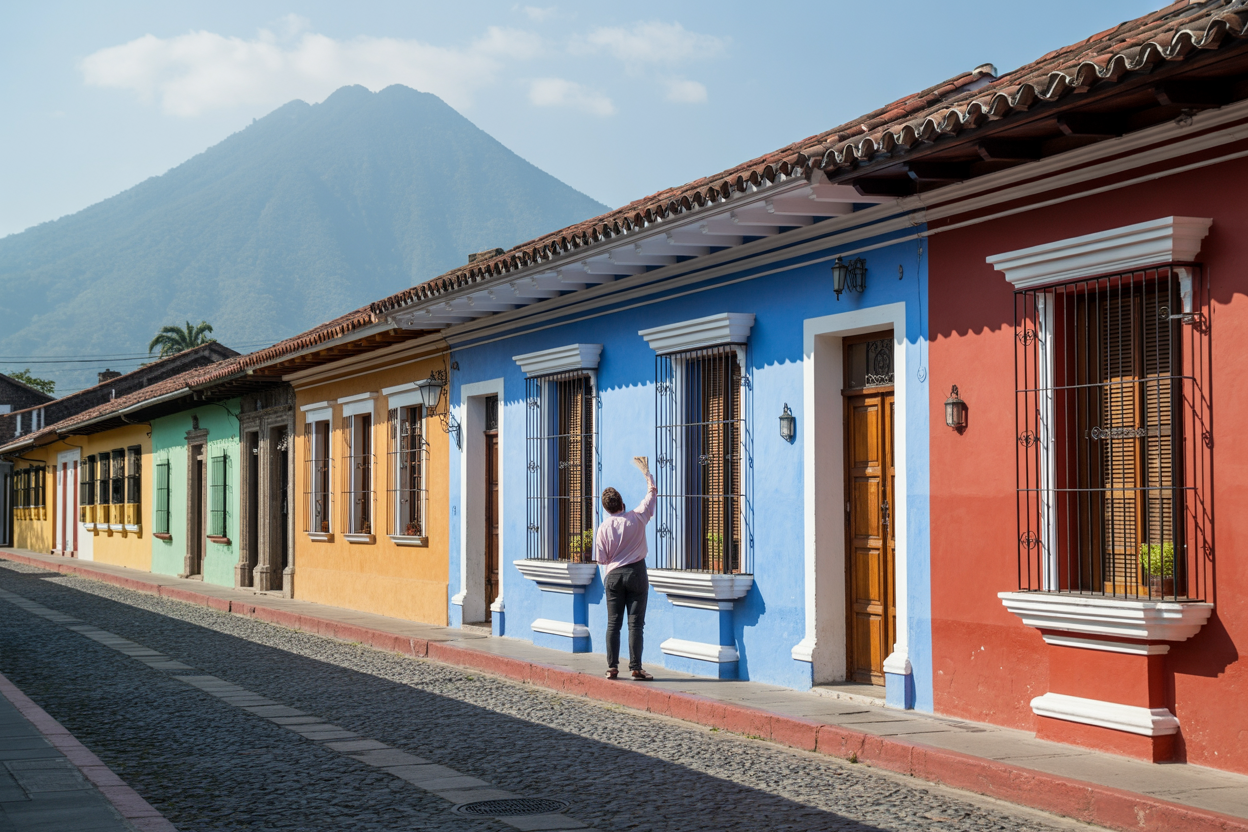


 Purchasing a home in Guatemala offers exciting opportunities for both residents and foreign investors, but requires careful navigation through specific legal requirements, financing options, and local market dynamics. From understanding property restrictions to assembling the right team of professionals, each step demands thorough preparation. The comprehensive process involves everything from initial property searches to finalizing taxes and transfer fees, all while being mindful of potential challenges like title issues and bureaucratic delays.


